
Actualizado: Febrero 2026
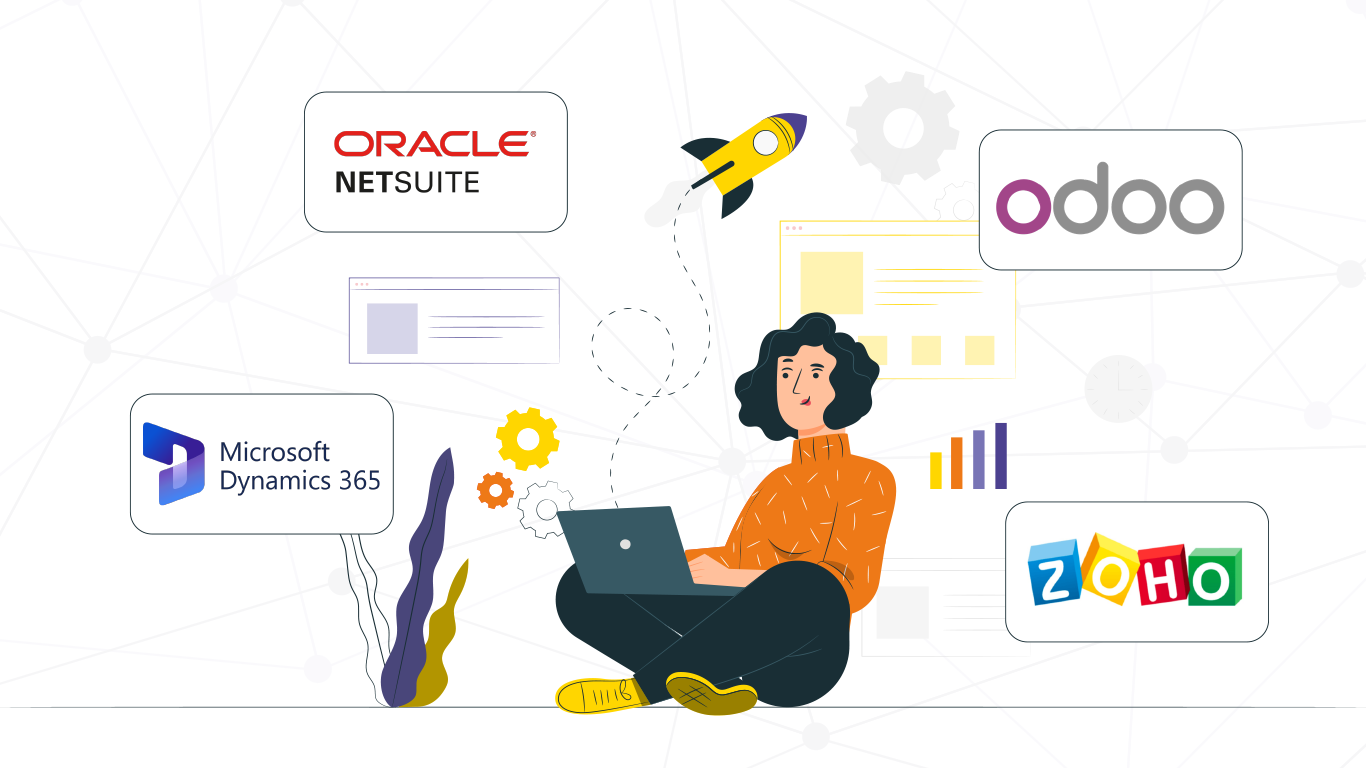
Discover the 5 best ERPs for SMEs, the benefits and features of each option to optimize business management and boost the growth of your business.
What can an ERP do for SMEs?
An ERP for SMEs helps to integrate the processes of different areas of a company, improving efficiency and decision-making. It automates accounting, inventory, customer management, and more, improving efficiency and decision-making in your business.
By consolidating all business functions and processes into a single integrated system, an ERP offers a comprehensive view of your operations, which facilitates decision-making.
From inventory, purchasing, sales, and finance management, to human resources and production management, the ERP automates and streamlines these tasks, reducing errors and time spent on repetitive tasks.
The 5 best ERP software for SMEs
1.SAP Business One
¿Cansado de ERPs limitados o con costos ocultos que frenan a tu PYME?
A diferencia de sistemas que exigen parches o programación constante, SAP Business One te da estructura, control nativo del SAT y estabilidad. Descubre la diferencia con Xamai.
¡Llevar mi PYME a SAP B1!
SAP Business One is an enterprise resource planning (ERP) system designed for small and medium-sized businesses (SMEs). It is one of the ERP most used in MexicoIt was developed by SAP, one of the world's leading enterprise software companies.
El objetivo de SAP Business One es proporcionar a las empresas en crecimiento, una solución unificada que les permita gestionar de manera eficiente todas sus operaciones comerciales incluyendo el sistema punto de venta; aunque para ello, se requieren conexiones de addons. Si deseas más información sobre ello, puedes acercarte con cualquier consultor Xamai y te orientaremos al respecto..
Functionality of SAP Business One (an ERP for SMEs):
Modules and functionalities of this ERP for growing companies
SAP Business One is composed of various modules, each of which focuses on a specific function of the company. These modules include:
Financial Management: Allows you to keep track of accounting connected with accounts payable and receivable, bank reconciliations, budgets, financial reports, etc.
Sales ManagementFacilitates the administration of sales processes, quotes, shipping documents, orders, deliveries, price determination, invoice issuance, customer tracking, and sales analysis.
Purchase Management: Allows you to manage the purchasing process, from requesting quotes to receiving goods and purchase orders
Inventory management: Allows for precise inventory level control, product tracking, warehouse location management, and physical inventories.
Production Management: Allows for plans for controlling production operations, from the creation of bill of materials to the management of production orders.
Customer Relationship Management (CRM)Helps manage customer interactions, sales tracking, business opportunities, marketing campaigns, etc.
- Project managementFacilitates the planning, tracking, and control of projects, including resource allocation and cost analysis.
Data Integration
SAP Business One is a software package based on a centralized database that integrates all company information. This means that data entered in one module is automatically reflected in other modules, avoiding data duplication and improving accuracy.
Automated Workflow
The system allows for the establishment of automated workflows, which means that business tasks and processes can be configured to run in sequence or according to specific events. This helps streamline procedures and ensure that the appropriate steps are followed in relation to each process.
Reports and Analytics
SAP Business One provides a wide range of reports and analytics tools that allow managers and users to gain a clear view of company performance. These reports can be customized to meet the specific needs of each user.
Something important to mention is that reports can be exported to Excel, generate documents in Word directly from the ERP and send emails through Outlook, which undoubtedly helps to improve each of the processes.
In addition to standard reports, SAP Business One offers advanced analytics tools that allow users to delve into the data and discover hidden trends, patterns, and opportunities. These tools can help identify areas for improvement, optimize processes, and increase the operational efficiency of the ERP for SMEs.
Mobile Access
This mobile accessibility not only facilitates real-time decision-making but also improves collaboration between teams by allowing for smoother communication and a quick response to business needs.
Furthermore, with the optimized mobile interface, users can enjoy an intuitive and user-friendly experience, which increases adoption and effective use of the platform. Mobile access to SAP Business One offers a competitive advantage by allowing companies to be agile, efficient, and always connected to their critical information.
Security and Permissions
The system has a robust security system that allows for the establishment of access levels and permissions for each user, ensuring that they can only access the information and functions appropriate to their role in the company.
Cloud Implementation
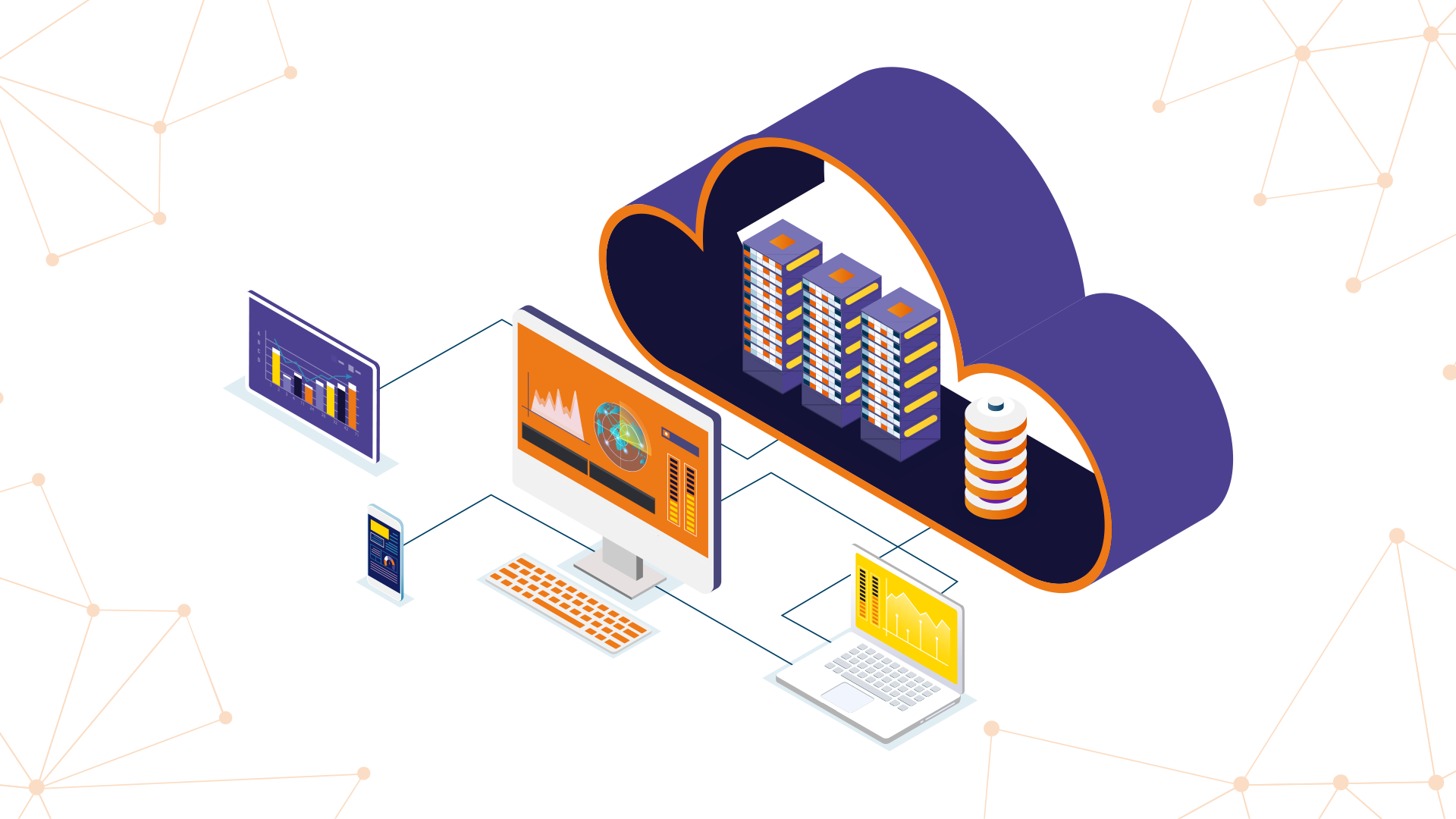
The implementation of an ERP in the cloud allows the configuration of SAP systems and applications on a cloud-based infrastructure instead of on local servers.
This methodology allows access to SAP solutions remotely via the internet, eliminating the need to maintain a costly and complex physical infrastructure.
Cloud implementation offers advantages such as scalability, flexibility, and ease of updating, which allows companies to efficiently leverage SAP solutions and quickly adapt to changing business needs.
SAP Business One y su adaptación a normativas mexicanas
SAP Business One está preparado para cumplir con las principales normativas mexicanas, especialmente en temas de facturación electrónica (CFDI) y control fiscal. A través de add-ons certificados, permite integrarse con el SAT para la emisión de comprobantes, timbrado y cancelaciones conforme lo estipula la ley. Con eso se facilita el cumplimiento de obligaciones que tiene toda empresa en materia contable, fiscal y laboral.
2. Odoo
Odoo is an open-source and comprehensive enterprise resource planning (ERP) system that integrates a wide range of business applications. Its functionality is organized into modules that cover different business areas, such as sales, purchasing, inventory, accounting, human resources, and more. It functions as an ERP for SMEs that do not require solutions as specialized as those offered by SAP.
The system is based on a central database that allows all modules to share information in real time, ensuring a unified and updated view of the entire company.
When a company implements Odoo, it can customize and activate the modules that best suit its business needs. Users can access the platform through an intuitive web-based user interface.
From here, they can perform various tasks, such as generating invoices, managing inventories, making purchases, tracking projects, and managing human resources.
The integration between the different modules allows for more efficient management of business processes and greater transparency throughout the organization.
Although Odoo is open source, which at first glance seems like an advantage, it can actually represent an extra expense.
In this sense, it is necessary to hire specialized personnel to customize and maintain the code and therefore, the payroll cost increases considerably.
This can result in an extra expense for the company in the long term, so it is better to opt for a solution like SAP Business One, which offers a more structured implementation and with less need for additional technical adjustments.
Odoo puede adaptarse al cumplimiento de normativas mexicanas como CFDI y procesos relacionados con el SAT, pero generalmente requiere desarrollos adicionales o módulos de terceros. Esto implica configuraciones técnicas específicas para asegurar que la facturación electrónica y los reportes fiscales cumplan con la regulación local.
3. Microsoft Dynamics 365 Business Central
Microsoft Dynamics 365 Business Central is an ERP for SMEs that combines enterprise resource planning (ERP) functions with customer relationship management (CRM) tools. It functions as a cloud platform, allowing companies to access the information and tools they need from any device with an internet connection.
The system is based on artificial intelligence and machine learning to improve efficiency and productivity.
El sistema se puede personalizar y ampliar mediante la incorporación de aplicaciones y complementos adicionales desde Microsoft AppSource, lo que permite a las empresas adaptar la plataforma a sus necesidades.
Unfortunately, Microsoft Dynamics 365 Business Central has a high long-term cost, especially when comparing subscription fees and licenses with other ERP solutions.
Si bien ofrece opciones para cumplir con las regulaciones fiscales en México mediante localizaciones y soluciones complementarias que dependen en gran medida de la correcta configuración inicial y del uso de partners certificados. Esto puede funcionar bien, pero suele incrementar el costo total del sistema conforme se agregan necesidades locales.
Requiring additional add-ons or specific integrations can significantly increase operating expenses.
4. NetSuite
NetSuite is a cloud-based business management platform that integrates various functionalities to help companies manage their operations more efficiently.
Its cloud-based architecture allows access to information and functionalities in real time from any device with an internet connection.
NetSuite offers a wide range of modules, such as accounting, financial management, inventory management, sales, marketing, human resources, and more. These modules are integrated with each other, allowing data and processes to be shared smoothly, eliminating the need for multiple isolated systems.
The platform also provides business intelligence tools to analyze data and generate reports, which helps leaders make informed and strategic decisions.
A significant disadvantage of NetSuite is its complexity in terms of implementation and customization, which can take longer than expected and increase prices.
The integration of all these elements can be a challenge for organizations that do not have a solid IT team or specialized external consultants. Also, the cost of licenses and additional costs for customization or advanced technical support can become prohibitive in the long term, affecting profitability.
5. Zoho ERP
Zoho ERP for SMEs is a solution that works through a cloud platform that integrates different processes and departments into a single, completely centralized interface.
The system covers areas such as accounting, inventory management, sales, purchasing, human resources, and more, allowing SMEs to improve their operations compared to competitors.
First, Zoho ERP collects and stores data from all areas of the company, automating repetitive tasks and simplifying workflows, which saves time and resources for SMEs.
In addition, as a good ERP for SMEs, it facilitates collaboration between teams and departments, which improves internal communication and overall productivity.
Although it is an accessible option for SMEs, its customization and scalability may be limited compared to other more robust ERP systems such as SAP.
As a company grows and requires more complex processes and specific integrations with other systems, Zoho may not be sufficient to handle those needs.
So, what is the best ERP for SMEs in Mexico?
SAP Business One es en general la mejor opción de ERP para PYMES en México gracias a su enfoque integral en todas las áreas clave de la empresa, como finanzas, ventas, inventarios y CRM.
This ERP allows information to be centralized and workflows to be automated, which facilitates informed decision-making and improves operational efficiency. In addition, its scalability allows companies to adapt the platform to their needs without having to make major changes to their infrastructure.
Another advantage is the possibility of being implemented in the cloud, which eliminates the need for costly physical infrastructure and offers flexibility to access from any device. Unlike options such as Odoo, which may require continuous technical customization, SAP Business One provides a solid structure with less need for adjustments, which reduces long-term costs and ensures faster and more reliable integration.
Adaptación y cumplimiento normativo en México
Para las pymes mexicanas, elegir un ERP no solo implica mejorar la operación interna, sino también asegurar el cumplimiento de la reglamentación fiscal, contable y laboral. La facturación electrónica, la relación con el SAT y el control adecuado de la información financiera ya no son opcionales.
Un ERP correctamente adaptado a México reduce riesgos, evita sanciones y facilita el trabajo diario de cualquier empresa y la diferencia radica en qué tan sencilla es esa adaptación porque algunos sistemas requieren múltiples ajustes técnicos, mientras que otros ya están pensados para operar bajo el marco legal mexicano.
Más allá del costo inicial, es importante evaluar qué tan preparado está el ERP para cumplir con la normativa local y qué tan sencillo será mantener ese cumplimiento conforme cambian las reglas fiscales. Aquí es donde una consultoría especializada como Xamai marca la diferencia.
¿Por qué los ERP mencionados anteriormente son los más importantes en México?
In Mexico and in much of the world, both SAP Business One, Odoo, Microsoft Dynamics 365 Business Central, NetSuite, and Zoho ERP are common ERPs for SMEs for several fundamental reasons.
Brand recognition and reputation
SAP, Microsoft, and Oracle (which acquired NetSuite) are globally recognized companies, which gives them an advantage in terms of brand recognition and trust. This can lead to their ERP solutions being the preferred choice for large and medium-sized companies seeking a reliable option.
Scalability
These ERPs for SMEs are typically highly scalable, meaning they can adapt to both small businesses and medium-sized corporations.
Functionality and features
Each of these ERPs for SMEs has a set of features and functionalities that can meet different business needs. Companies in different sectors can find a solution that best suits their specific operations.
Support and community
The availability of technical support and an active user community can be crucial for companies looking to implement and use an ERP for SMEs effectively. These systems generally have a large user base and an active online community.
Integration with other solutions
Some of these ERPs offer integration with other popular business applications and tools, which facilitates automation and synchronization of processes.
In conclusion
We must emphasize that each company has unique needs and, therefore, the best ERP solution will depend on factors such as the size and type of business, budget, specific requirements, and technical capability.
We understand that each company is unique, with its own challenges and specific goals. Don't let indecision or lack of information delay the progress of your company. Implementing an ERP can be one of the most important decisions you make to improve operational efficiency and overall performance.
With Xamai as your trusted SAP consulting firm, we assure you that this transition will be carefully managed and successful.
So don't hesitate any longer, take the next step and contact us for an initial consultation. Together, we will determine the ideal ERP for your company, and soon you will be enjoying the benefits of a more agile, integrated, and competitive business.
¿Listo para que tu PYME compita al nivel de las grandes empresas en este 2026?
No arriesgues tu operación con softwares temporales; consolida tus finanzas e inventarios con SAP Business One. Deja tu implementación en manos de Xamai y asegura tu escalabilidad hoy mismo.
Hablar con un consultor Xamai


 English
  Español de México
  Español