

Learn the key strategies for effective enterprise integration. Improve collaboration and maximize results.
Have you ever wondered how large companies manage to function as a single body, even when they have hundreds of people, areas, processes, and systems? The answer lies in something called enterprise integration, a strategy that seeks to ensure that everything within an organization works efficiently and in total coordination.
Understanding Enterprise Integration
Enterprise integration is the process of connecting the dots within a company, uniting systems, programs, platforms, devices, and people so that they share information and operate as a single unit.
Suppose the finance department needs a sales report, or that human resources wants to know how many employees are involved in a specific project. With good integration, that information flows automatically through a common database, without scattered emails or spreadsheets.
It's about achieving business unification: having departments, workflows, and activities function with a single version of the truth.
Why is it so important for companies?
Because it improves the overall performance of the company, drives productivity, efficiency, and competitiveness. When organizations integrate their processes, they can react more quickly to market changes, make decisions based on real data, and offer a better customer experience.
Furthermore, it reduces human errors, automates tasks, and allows teams to focus on what's important: growing the business.
There is also a direct impact on profitability, as resources are better utilized, operations are optimized, and duplications in systems are avoided.
Types of Enterprise Integration
There are different types of enterprise integration, depending on the approach and technologies used by each organization, which we will tell you about the most important ones below:
- Data Integration: connects all information sources so that users can access a single version of the data, regardless of where it is stored.
- Application Integration: allows different software to communicate with each other; for example, the ERP with the CRM or with the logistics platform.
- Cloud Integration: combines multiple cloud environments (public or private) so that processes flow seamlessly.
- Process Integration: organizes workflows between different areas, improving operation and performance.
- Device Integration: unites equipment, sensors, or IoT tools to collect information and coordinate activities in real time.
Each company can use one or several of these integrations, depending on its business model, its size, or its level of digital transformation.
The advantages of a good integration
The benefits are many, but here are some that make a difference:
- Greater efficiency as processes are automated and operations become more agile.
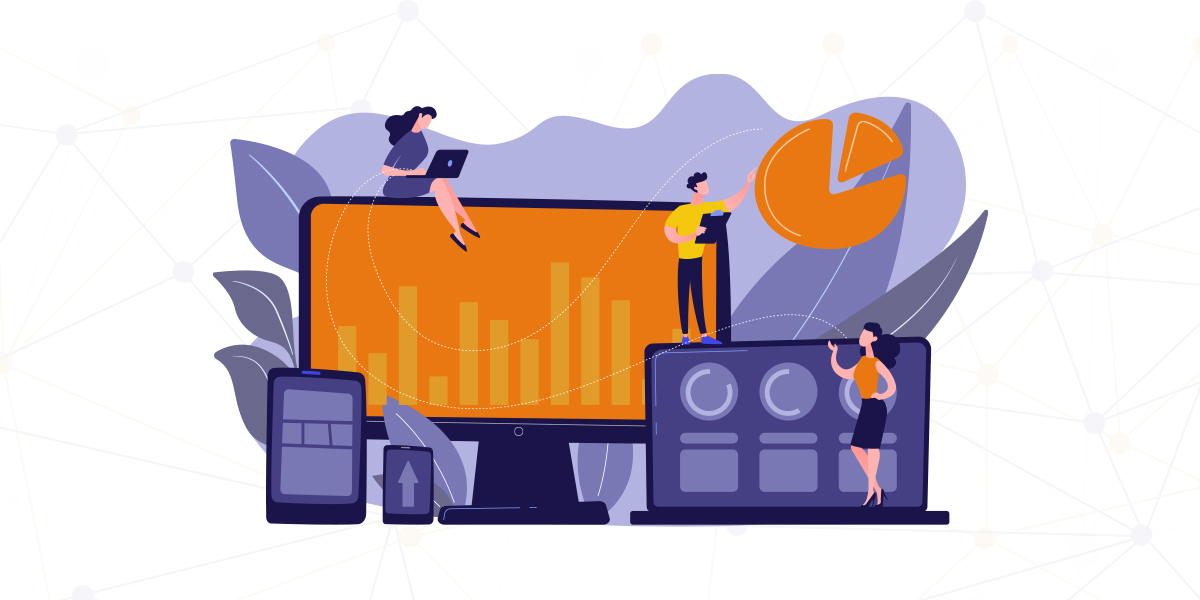
- Better decision-making by having all the data on a single platform facilitates analysis.
- Smooth communication as different departments share information without barriers.
- Increased productivity as people can focus on strategic tasks, not searching for information.
- Competitiveness as the company can better adapt to market changes and customer demand.
Enterprise integration is the backbone of modern optimization: it unites technology, people, and processes so that everything functions as a connected ecosystem.
How is enterprise integration implemented?
Implementing an integration model is not a one-day job. It requires strategies, training, good planning, and the use of specialized tools. Nowadays, there are cloud solutions that facilitate this task, such as iPaaS platforms, which act as connectors between different systems.
With the advice of specialists and good programming of workflows, organizations can achieve a secure, scalable integration with continuous tracking of their transactions.
Furthermore, more advanced companies create a "Center of Integration Excellence," where an expert team is responsible for standardizing processes, optimizing the supply chain, and ensuring that all integrations are aligned with business objectives.
Enterprise integration as a driver of growth
An integrated company is a stronger company. Enterprise integration not only improves performance but also drives sustainable growth and digital transformation.
Ultimately, it's about more than just technology: it's a change in organizational culture where people, data, and platforms work in sync to offer better service, increase profitability, and remain relevant in an increasingly connected industry.
Best practices for enterprise integration
Achieving good enterprise integration depends not only on the software or technology you use, but on how you implement it within your organization.
A truly integrated company needs strategy, order, and above all, a clear vision of how each process, data point, and person connects with the rest of the business. Let's look at some best practices that can make a difference:
1. Start with a clear strategy
Before discussing systems or platforms, it's important to define which areas and processes should be connected first. It's not about integrating just for the sake of integrating, but doing so with purpose: to improve efficiency, reduce errors, and optimize operations.
A good strategy aligns business objectives with technological capabilities, ensuring that each department knows its role within the new integration model.
2. Use flexible platforms and standardized connectors
The key is to choose tools or platforms that adapt to your needs. Cloud solutions and standardized connectors allow you to link systems, devices, and databases without technical complications. This improves productivity and facilitates information sharing between different areas or applications.
3. Centralize data and ensure its quality
Enterprise integration is not much use if the data is not reliable. Centralizing information in a common database and maintaining its quality helps decisions to be made with real and updated information. This also drives competitiveness and profitability, by avoiding duplications or errors in reports and transactions.
4. Train the people
Technology doesn't work alone. Investing in training and constant advice helps users understand how the system works and take advantage of its benefits. In addition, it fosters a culture of collaboration and transformation, where all employees understand the value of working under an enterprise integration model.
5. Automate and track processes
Using workflow automation allows processes to be executed without human errors, saving time and resources. At the same time, it is important to implement tracking tools that allow you to evaluate the performance of operations and detect areas for improvement.
6. Evaluate and improve constantly
An integrated company never stops evolving. It is essential to periodically review the structure, resources, and results of the implementation. Updating systems, reinforcing data security, and adapting business models to new technologies ensures sustainable growth and maintains competitiveness in the market.
SAP and enterprise integration: a common language for the entire company
If we talk about enterprise integration, talking about SAP is almost inevitable. This system has been designed precisely for that: to unify the processes, data, and operations of a company within a single platform.
With SAP, each department works with the same information in real time. That means fewer errors, more efficiency, and a complete view of the business.
Furthermore, SAP cloud solutions, such as SAP S/4HANA Cloud or SAP Business One, allow you to integrate all systems, even those external, to maintain a continuous flow of data between suppliers, customers, and different platforms.
In practice, this is reflected in automation, optimization, and profitability: three words that every organization seeks to achieve. That's why many companies trust in certified partners like we are at Xamai, who thanks to our skills help implement and integrate SAP in a personalized way, adapting the technology to the real needs of each business.
Ready to talk to SAP specialists?
Tell us what your company needs and we'll help you find the best path.
Request information




 English
  Español de México
  Español