
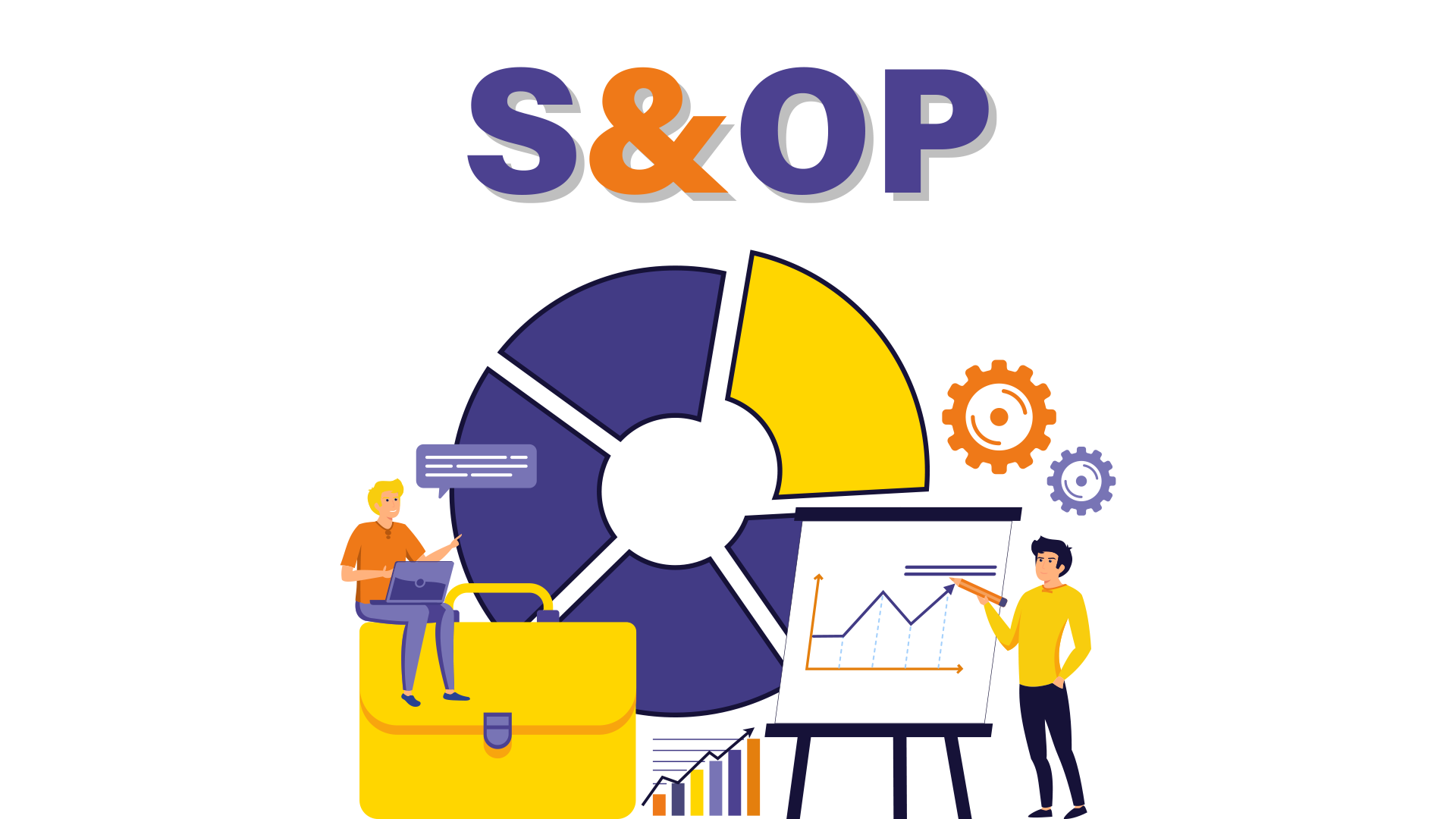
We explain what S&OP is and how to optimize sales and operations planning in your business.
If you have ever wondered how large companies manage to maintain the perfect balance between what they sell and what they produce, the answer is in three letters: S&OP.
We are sure you have read or heard the term, and it comes from Sales and Operations Planning (Sales and Operations Planning in Spanish), which basically describes a business management process that seeks to have all areas of an organization work in sync, with the same data, the same objectives, and a single plan.
What is S&OP?
S&OP is a planning tool whose purpose is to connect demand with a company's production capacity. Simply put: it helps what customers order (sales) align with what the company can manufacture, distribute, and deliver (operations).
Using the S&OP process, companies can make more informed decisions, use their resources better, and avoid those typical headaches like excess inventory or delays in deliveries.
S&OP fosters collaboration between departments such as sales, finance, purchasing, production, marketing, and human resources, creating a unified view of the business and a more solid strategy for the entire supply chain.
The heart of the S&OP process
Sales and operations planning does not happen by magic. It is a continuous process that combines real data, technology, and strategic decision-making.
Generally, work is done in monthly cycles where the sales plan, production planning, and resource needs are reviewed and adjusted.
A typical S&OP planning includes:
- Data collection and analysis: historical sales, inventories, orders, and projections.
- Demand planning: estimates how many products will be sold based on customer behavior.
- Supply planning: resources, suppliers, and labor are adjusted to meet that demand.
- Plan reconciliation: discrepancies between supply and demand are detected, and an agreement is reached between departments.
- Executive review: the final plan is presented to management for approval and implementation.
All of this allows you to create a balanced business plan, where decisions are not made "on intuition," but based on updated information.
S&OP Governance: who does what within the process
One of the most common mistakes when implementing S&OP is to think that everything is resolved in a single monthly meeting. But that's not the case: behind a successful process there is a clear structure of roles, responsibilities and follow-up. This is what is known as S&OP governance.
In short, governance defines who participates, who decides and who executes within the sales and operations planning process. This avoids duplications, confusion and, above all, decisions made without context.
Key roles within S&OP
For sales and operations planning to work, each area of the company must have a specific role:
- Executive Committee: This is the group that gives the final approval to the plan formed by general management, finance and leaders of areas where strategies are led, investments are prioritized and the direction of the business is validated.
- S&OP Leader: Coordinates meetings, consolidates information, follows up on the plan and ensures that all departments work towards the same objectives.
- Demand Owners: They are usually responsible for sales and marketing and their task is to provide data on forecasts, promotions, campaigns or new launches.
- Supply Owners: They represent operations, production, purchasing and logistics, and also evaluate capacities, lead times and resource availability.
- Finance: They validate that the plan is profitable, realistic and aligned with the organization's economic goals.
- Planners and Analysts: They are the ones who process the data, develop scenarios and prepare the reports that will be used for decision-making.
Why is it so important to define this structure?
Because S&OP is a collaborative process. If each department works with different objectives or without a clear path, the result will be a misaligned plan, difficult to execute and with no real impact on the business.
With a well-defined governance, the company can:
- Better coordinate the supply chain.
- Align resources, labor and production with real demand.
- Make faster decisions based on data.
- Ensure the continuity of the process, even in the face of personnel changes or new projects.
The success of the S&OP process depends not only on the software or the data, but on the people and their way of organizing themselves.
Benefits of implementing S&OP in your company
When the S&OP process is applied correctly, the results are noticeable in a short time. These are some of the main advantages:
- Increased profitability: inventory costs, waste, and overproduction are reduced.
- Better customer service: products arrive on time and with the expected quality.
- More operational efficiency: sales and operations areas communicate better, avoiding duplications.
- More agile decision-making: planners can anticipate market changes.
- Technological integration: the use of specialized software and cloud solutions allows you to automate tasks and perform real-time simulations.
S&OP transforms the way your company plans and executes its business strategy.
The role of technology in S&OP
In the past, S&OP was managed with spreadsheets and static reports. Today, data analytics technologies, artificial intelligence, and machine learning have revolutionized this process.
Good S&OP software allows you to work with updated data, execute hypothetical scenarios (“what if demand increases?”), and coordinate actions between teams regardless of their location.
In addition, modern solutions integrate information from different systems, such as ERP, CRM, or external databases, creating a 360° view of the business.
How does S&OP relate to SAP?
This is where one of the great allies of modern planning comes into play: SAP. SAP offers solutions that allow you to integrate the S&OP process within the ERP system, facilitating communication between areas, tracking indicators, and alignment between sales, operations, and finance.
For example, SAP Integrated Business Planning (SAP IBP) combines Sales and Operations Planning, inventory management, and demand forecasting on a single cloud-based platform.
This gives companies a real competitive advantage, because it allows you to analyze large volumes of data and make faster and more accurate decisions.
And if we're talking about successfully implementing SAP, Xamai is the ideal partner. As a SAP Gold Partner, at Xamai we help organizations optimize their sales and operations planning through process automation, system integration, and expert support throughout the implementation cycle.
Remember
S&OP is not just a methodology: it is a way of thinking and operating within the company.
It allows aligning strategies, integrating departments, and maximizing resources so that each decision contributes to the growth of the business.
With tools like SAP IBP and the support of Xamai, your organization can achieve truly intelligent, adaptable, and results-oriented planning.
Frequently Asked Questions about S&OP
1. How often is the S&OP process performed?
Generally, S&OP meetings and reviews are conducted monthly, although some companies opt to do so quarterly if their market is more stable.
2. What is the difference between S&OP and demand planning?
Demand planning focuses solely on estimating how many products will be sold; S&OP, on the other hand, integrates that information with production capacity, finance, and available resources.
3. What types of companies can apply S&OP?
Any company with production operations or supply chains can implement S&OP, from SMEs to global corporations.
4. What role do suppliers play in the S&OP process?
They are key. The availability of materials, the quality of service, and delivery times directly influence the effectiveness of the plan.
5. What benefits does integrating S&OP with an ERP system like SAP offer?
It allows you to automate data collection, improve supply chain visibility, and connect all areas of the business under a single flow of information.
Do you want to take your company's sales and operations planning (S&OP) to the next level?
With SAP and the support of Xamai, you can achieve complete integration of your processes, optimize your supply chain management, and make smarter decisions based on real data.
Ready to talk to SAP specialists?
Tell us what your company needs and we'll help you find the best path.
Request information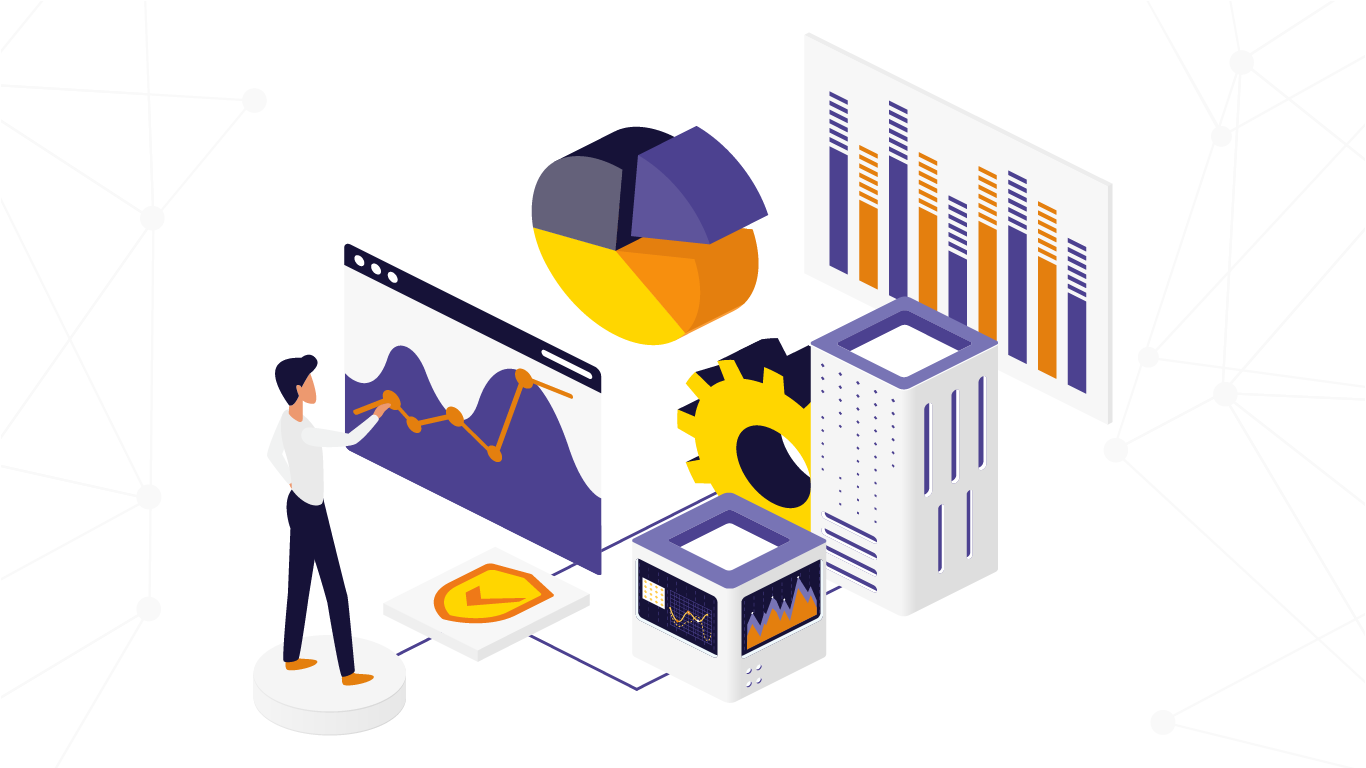



 English
  Español de México
  Español