
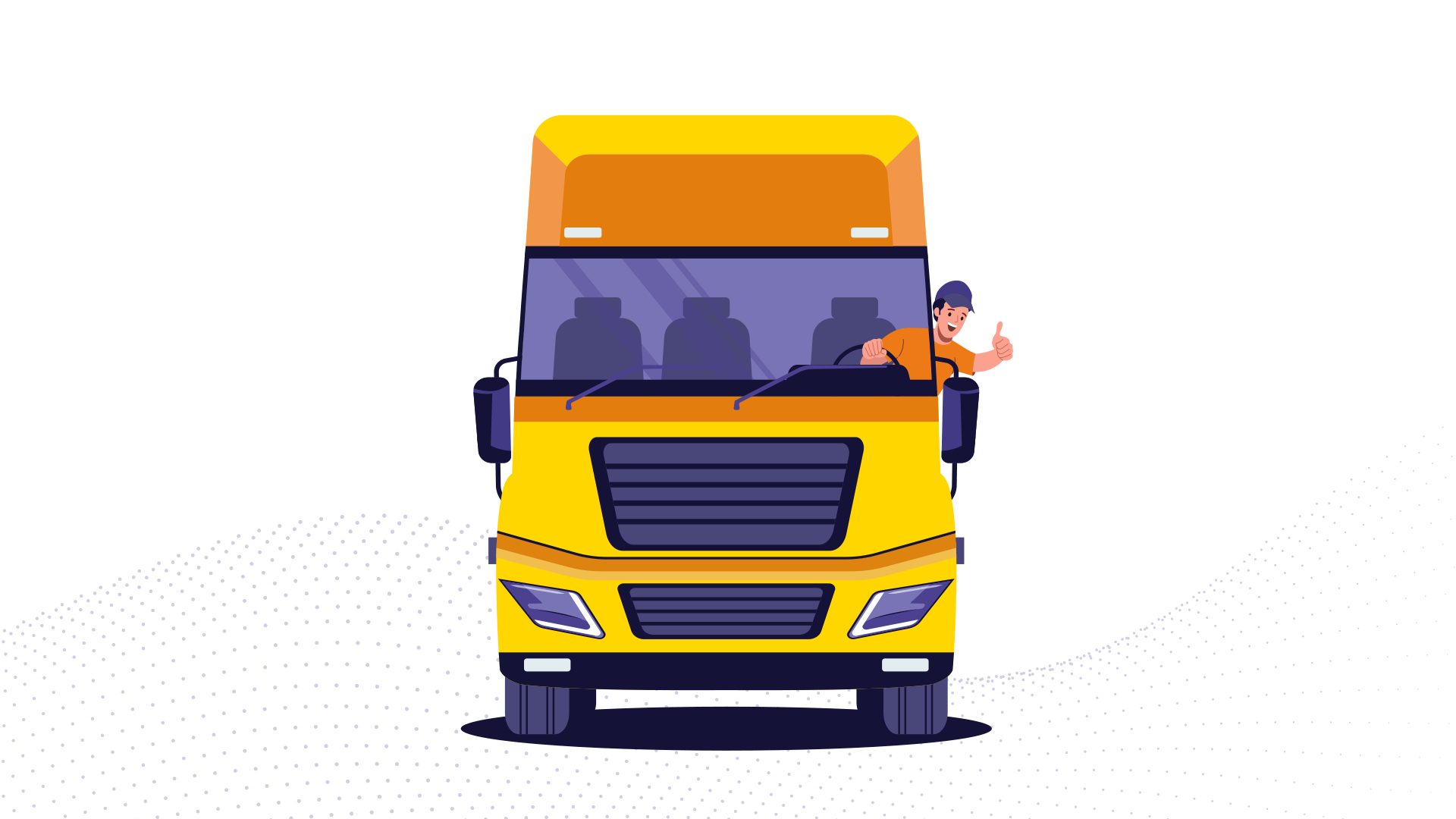
We tell you what a Transportation Management System (TMS) is, how it works, and why it is important to optimize routes, reduce costs, and improve your deliveries.
If your company coordinates dozens or hundreds of trucks, carriers, and deliveries every day, you surely realize that without central control, it would be chaos: delays, high costs, and dissatisfied customers.
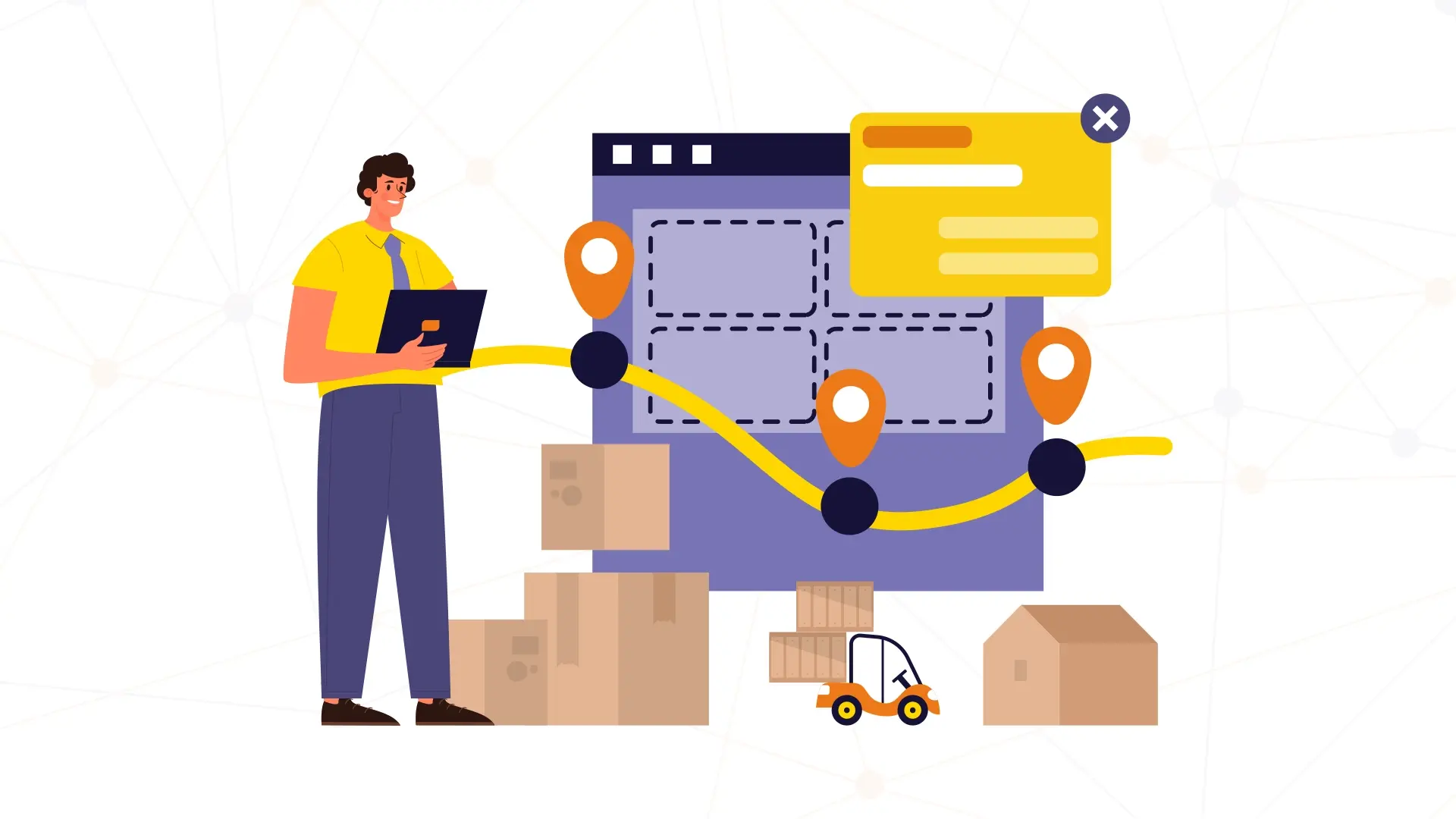
This is where the TMS (Transportation Management System) comes into play, a transportation management software that helps plan, execute, and optimize every movement within the supply chain.
In short, a Transportation Management System is the tool that connects companies, suppliers, and carriers so that products reach their destination faster, more efficiently, and economically. It is undoubtedly important for modern logistics systems and has become essential in industries where business does not function without effective distribution and prioritization of deliveries.
Features and benefits of a TMS
A good TMS not only organizes routes or controls trucks, but also offers real-time information, automates processes, and facilitates decision-making.
Among its most important functions are:
- Route planning and trip assignment: considering distance, rates, availability, and road conditions.
- Carrier and vehicle management: controls which operator carries each order, their performance, maintenance, and documentation.
- Real-time tracking: through geolocation, it allows you to visualize the movement of the fleet and anticipate delays.
- Cost and budget control: helps compare rates, calculate fuel costs, and detect deviations.
- Incident management: records accidents, stops, or problems in deliveries.
- Carbon footprint reduction: by optimizing routes and avoiding empty trips, contributes to more sustainable transportation.
The final benefit of the above is increased productivity, fewer errors, better customer service, and greater control over the supply chain.
How does a TMS work?
The TMS functions as a digital brain that communicates with other company systems (e.g., ERP or WMS) to centralize all information related to transportation. The process follows these steps:
- Planning where transport plans are created and vehicles and drivers are assigned.
- Execution at the time the system monitors trips, controls times, costs, and delivery compliance.
- Monitoring and analysis collecting data on performance, fuel consumption, incidents, or delays.
- Optimization always based on reports, routes, suppliers, and logistics strategies are adjusted.
Some TMS, like those recognized by Gartner's quadrant, integrate artificial intelligence or advanced automation to improve operational performance.
Who uses a transportation management system?
TMS are used by all types of companies that involve the movement of goods:
We are talking about manufacturers, distributors, and logistics operators, and even independent carriers.
There are organizations with internal fleets that implement it to improve their maintenance, supply, and storage control.
Without a doubt, any company that depends on transportation to operate can benefit from such a system.
Kananfleet® the ideal option for fleet management
A great example of a TMS solution is Kananfleet, specialized software for transportation and fleet management, designed for companies to manage every detail of their operation.
With Kananfleet you can perform operator administration, tires, preventive and corrective maintenance, spare parts inventory, and fuel consumption, in addition to generating statistical reports that facilitate budget control. The Kananfleet Mobile application takes the system to the field: for example, drivers and supervisors can record fuel refills, report incidents, request maintenance orders, or update travel status in real time (start, pause, finish or even stamp the Bill of Lading).
It also allows you to register photographic evidence and georeferenced position, which provides total traceability at each stage of transportation.
And the best part is that Kananfleet has a certified version for SAP and is integrated with SAP Business One ERP, which ensures complete integration with the company's processes, without duplicating information or losing visibility.
Optimize your transportation with SAP and Xamai
}
Transportation management is no longer just about moving goods, but about moving your business towards the future. With solutions like Kananfleet and the power of SAP Business One ERP, you can digitize every stage of your operation, regardless of whether you are in logistical planning or final customer delivery.
Frequently Asked Questions:
1. Does a TMS only serve for large companies?
Not necessarily. Today there are versions adapted to SMEs with small or medium fleets. In fact, many TMSs like Kananfleet offer scalable modules that grow as your business does.
2. Does a TMS replace an ERP?
No, they complement each other. The ERP manages the company's finances, inventories, and internal processes, while the TMS focuses on transportation and delivery logistics. When both systems are integrated, as with Kananfleet and SAP Business One, a complete record and vision of the entire operation is obtained.
3. How much does it cost to implement a TMS system?
The cost depends on the number of vehicles, users, and functionalities that the company needs. There are cloud versions with monthly subscription payments and others more complete that require installation and integration with existing systems. It is ideal to request a consultation to receive a personalized quote.
4. What is the difference between a TMS and a WMS?
The TMS manages everything related to transportation, while the WMS (Warehouse Management System) focuses on storage and inventory control within the warehouse. They are complementary within the supply chain.
5. How does a TMS help reduce the carbon footprint?
A modern TMS optimizes routes, loads, and travel times, avoiding unnecessary routes and excessive fuel consumption. This not only reduces costs, but also decreases polluting emissions, helping the company to be more sustainable.
6. What happens if a carrier does not have an internet connection?
Some systems, such as Kananfleet Mobile, can work offline and synchronize data when there is a signal again. This allows operators to continue recording their trips, incidents, and evidence without stopping the operation.
At Xamai, we are an SAP Gold Partner with more than 26 years of experience helping companies of all sizes to integrate their processes with intelligent technology. Our team advises you on the implementation, maintenance, and integration of systems such as TMS, WMS, or ERP, all in a connected strategy.
Contact us at Xamai and discover how an SAP solution integrated with Kananfleet can transform the way your company manages its transportation, reduces costs, and improves its customer service.
Ready to talk to SAP specialists?
Tell us what your company needs and we'll help you find the best path.
Request information



 English
  Español de México
  Español