


The training and development of human resources are essential processes for the growth and competitiveness of organizations. Adopting an integrated approach that encompasses strategic planning, personalization, measurement of results, and a culture of continuous learning can help companies make the most of their human capital and successfully face the changing challenges of the business environment.
Training and development of human resources: integrated reflections
The training and development of human resources is a fundamental aspect in the management of any organization. It involves a continuous process of acquiring knowledge, skills, and competencies by employees with the aim of improving their job performance and contributing to the achievement of the company's objectives.
At Xamai, we aim to show you this topic from an integrated perspective, considering different key aspects and reflections that can help you within your organization to optimize your training and development strategies.
Importance of training and development:
In a constantly evolving business world, organizations that do not invest in the growth and development of their personnel risk falling behind. Training and development are crucial to keep employees updated on their skills and knowledge, enabling them to adapt to new technologies and challenges.
Strategic planning:
An effective training and development strategy should be aligned with the organization's long-term goals and objectives. This involves identifying the skills needed to achieve those objectives and designing training programs that promote them.
Needs assessment:
Before implementing training programs, it is important to conduct a needs assessment to identify areas where employees need to improve their skills. This may include surveys, interviews, and performance analysis.
Development of soft skills:
In addition to technical skills, soft skills, such as effective communication, leadership, and problem-solving, are increasingly important in today's workplace. Training in these areas can significantly contribute to the organization's success.
Continuous learning:
Training and development should not be isolated events, but an ongoing process. Organizations can foster a culture of continuous learning by providing access to learning resources, such as online courses, workshops, and mentoring opportunities.
Customization:
Recognizing that each employee is unique, training and development strategies should be personalized as much as possible. This involves adapting programs to individual needs and providing options for employees to choose their own development path.
Measurement and evaluation of results:
It is essential to measure the impact of training and development programs. This may include evaluating performance before and after training, as well as employee feedback. The results should be used to continuously improve the programs.
Organizational culture:
An organization's culture plays a crucial role in the success of training and development programs. It should foster innovation, collaboration, and learning, and leaders should lead by example by actively participating in the development process.
Technology and digital learning:
Technology has transformed the way training and development is delivered. Online learning platforms, simulations, and remote collaboration tools are becoming increasingly common and can be effective for training employees worldwide.
Shared responsibility:
While management and senior executives play an important role in implementing training and development strategies, the responsibility for learning and growing also rests with the employees themselves. Encouraging self-direction and individual accountability can increase the effectiveness of programs.
Importance of training in HR
Training in Human Resources (HR) is fundamental in any company for several key reasons:
- Development of skills:
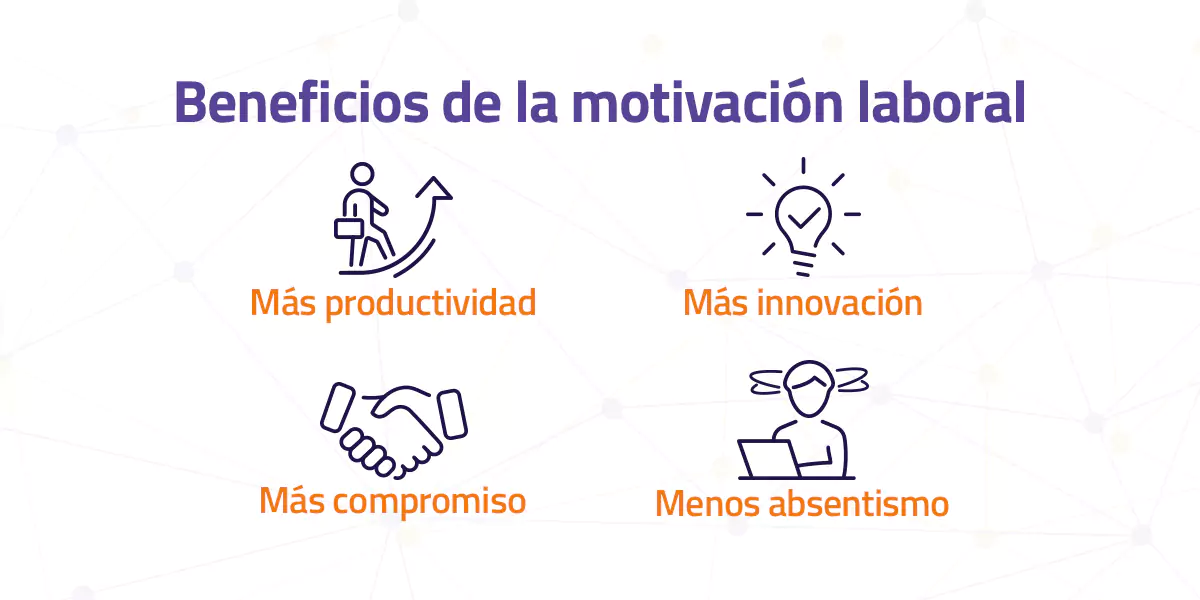
Training provides employees with the opportunity to acquire and develop new skills, knowledge, and competencies related to their roles. This allows them to perform their tasks more effectively and efficiently, contributing to the success of the company. - Improved productivity:
Trained employees tend to be more productive, as they are better equipped to face work challenges. This can translate into increased production, reduced downtime, and more efficient resource management. - Adaptation to change:
In a constantly evolving business environment, training allows employees to adapt to new methods, technologies, and business practices. This is essential to maintain competitiveness and relevance in the market. - Talent retention:
Investing in employee development and training demonstrates the organization's commitment to their professional growth. This can increase job satisfaction and the retention of talented employees, thus reducing staff turnover. - . Alignment with company objectives:
Training can be used to align employees with the organization's strategic objectives. When employees understand the company's mission and vision, they are more motivated to contribute to achieving its goals. - Regulatory and ethical compliance:
In many sectors, training is essential to ensure compliance with regulations and legal standards, as well as to promote an ethical culture within the company. This can help avoid penalties and legal problems. - Leadership development:
HR training also applies to the training of leaders and managers. Developing leadership skills is essential for directing effective teams and fostering a positive work environment. - Innovation:
Training can foster creativity and innovation by exposing employees to new ideas and approaches. Well-trained employees can contribute fresh ideas and innovative solutions to business challenges. - Adaptation to diversity:
Diversity and inclusion training is crucial for creating an inclusive and equitable work environment. This promotes diversity of thought and improves relationships between employees from different backgrounds. - Improved service quality:
In customer-oriented industries, customer service training can be essential to ensure that employees offer high-quality service and meet customer needs.
By investing in employee training and development, companies can build more competent and engaged teams, which in turn contributes to long-term growth and competitiveness.
SAP and company employee training
SAP offers a range of solutions and tools that allow organizations to effectively manage the development and training of their personnel.
SAP, as a leading provider of enterprise software, plays a fundamental role in the training of human capital in organizations.
Its human resource management solutions, such as SAP SuccessFactors, allow companies to effectively manage the training and development of their personnel. Through learning management tools and performance evaluation, SAP helps organizations identify training needs, create customized training programs, and evaluate employee progress.
This not only contributes to improving the skills and competencies of workers, but also drives productivity and sustainable growth of the company by aligning human capital capabilities with the organization's strategic objectives.
SAP SuccessFactors stands out as a highly effective solution in human resource management, offering a comprehensive platform that spans from hiring to performance management and employee development.
Its ability to automate processes, facilitate data analysis, and promote collaboration between human resources teams and employees makes it a fundamental tool for modern organizations seeking to optimize their HR operations.
Furthermore, to make the most of this powerful platform, having the guidance of a Xamai consultant can be crucial. Our experts are trained to resolve doubts and customize the implementation of SAP SuccessFactors according to the specific needs of your company, ensuring that all the advantages of this world-class human resource management solution are taken advantage of.
Ready to talk to SAP specialists?
Tell us what your company needs and we'll help you find the best path.
Request information









 English
  Español de México
  Español