


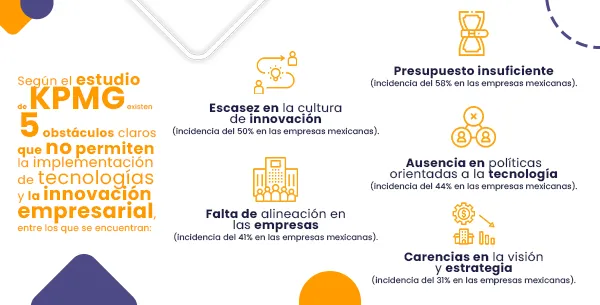
Technological advancements have transformed the way companies operate, improving efficiency, employment productivity, and the quality of products and services. However, in Mexico, many companies face a technological lag that makes them less competitive in the global market. In this article, we present some strategies to combat this problem and improve the situation of Mexican companies and, in turn, benefit their budget.
Recognition of technological use
First, it is important that companies recognize the importance of technology and be willing to invest in it. Many Mexican companies still see technology as an expense rather than an investment. However, this is a mistake, as technology can help improve efficiency and reduce costs in the long term. Businesses, regardless of their size, must be willing to invest in technology and training for their employees.
Improvement of education and training
It is necessary to improve education and training in technology. Many employees of Mexican companies do not have the necessary skills to make the most of technology. Therefore, it is important that companies invest resources in training programs for their employees.
In addition, the Mexican government can implement technology training programs for young people and adults, with the aim of improving the skills of the workforce and fostering innovation.
Following the Covid 19 pandemic, it was demonstrated the importance of innovating when it comes to staying afloat during economic crises and the importance of using social networks regardless of whether we are talking about an SME or a larger company.
Promote entrepreneurship
It is important to foster innovation and entrepreneurship in Mexico as is done in other countries. Many Mexican companies are not innovating enough and, therefore, are not taking full advantage of the business opportunities offered by technology. It is necessary to foster a business ecosystem that promotes innovation and entrepreneurship, providing support to startups and innovative companies.
Improvement in access to technology
Fourth, it is important to improve access to technology in Mexico. Many companies cannot access cutting-edge technology due to its high cost. It is necessary that the Mexican government implement policies that promote the adoption of technology in companies, such as tax incentives for the purchase of technological equipment and financing programs for small and medium-sized enterprises.
Collaboration between companies
Fifth, it is important to foster collaboration between companies and universities. Mexican universities have a great potential sector for research and development of technology, but are often not connected with the companies that could use their innovations. It is necessary to foster collaboration between companies and universities, with the aim of developing technology that is useful for companies and that can be commercialized in the global market.
Tools to combat technological backwardness
Technological backwardness occurs when companies do not adopt or adapt to new technologies available in the market, which can affect their ability to compete and grow in an increasingly digital business environment. To combat technological backwardness, there are several tools that companies can use. The following are some of the most effective tools:
1. Technological gap analysis: Este proceso implica evaluar la tecnología que se utiliza en la empresa y compararla con la tecnología disponible en el mercado. La idea es identificar las áreas donde la empresa está quedando rezagada y donde puede mejorar su eficiencia y productividad.
Es un proceso crítico para garantizar que la tecnología de una organización esté alineada con sus objetivos estratégicos. Al seguir los pasos anteriores, las organizaciones pueden identificar y abordar las brechas tecnológicas de manera efectiva, lo que les permitirá mantenerse competitivas en un mercado en constante evolución.
2. Implementación de nuevas tecnologías: La empresa debe estar abierta a adoptar nuevas tecnologías que puedan mejorar sus procesos y aumentar su eficiencia. Es importante estar al tanto de las últimas tendencias en tecnología y evaluar su potencial para la empresa.
3. Capacitación del personal: El personal de la empresa necesita estar actualizado sobre las últimas tecnologías y su uso. Es importante invertir en capacitación para que los empleados puedan usar las nuevas tecnologías de manera efectiva.
4. Implementación de soluciones en la nube: La nube es una excelente opción para las empresas que quieren mantenerse actualizadas sin tener que invertir en infraestructura costosa. Las soluciones en la nube pueden mejorar la eficiencia, la colaboración y la seguridad de la empresa.
La implementación de soluciones en la nube se ha vuelto cada vez más popular en las empresas debido a los muchos beneficios que ofrece. La nube permite a las empresas tener acceso a una amplia gama de servicios informáticos, desde almacenamiento y procesamiento de datos hasta software de productividad y aplicaciones personalizadas, sin la necesidad de invertir en infraestructura costosa.
PASOS NECESARIOS
Aquí hay algunos pasos que las empresas pueden seguir para implementar soluciones en la nube:
- Evaluar las necesidades de la empresa: Antes de implementar soluciones en la nube, es importante evaluar las necesidades de la empresa. Esto implica identificar qué aplicaciones y servicios son necesarios para la empresa y qué problemas se están tratando de resolver.
Seleccionar una plataforma de nube: Una vez que se han evaluado las necesidades de la empresa, es importante seleccionar una plataforma de nube que sea adecuada para sus necesidades. Hay muchas opciones disponibles, incluyendo Amazon Web Services (AWS), y Google Cloud Platform (GCP).
Cada plataforma de nube tiene sus propias características y ventajas, por lo que es importante investigar y comparar diferentes opciones antes de tomar una decisión. Ambas plataformas ofrecen servicios de almacenamiento, procesamiento de datos, análisis, seguridad y administración de recursos de infraestructura, entre otros.AWS es la plataforma de nube más grande y madura, con una amplia variedad de servicios, incluyendo almacenamiento, bases de datos, análisis, Internet de las cosas (IoT), aprendizaje automático (Machine Learning), cómputo sin servidor, redes y seguridad.
Por otro lado, GCP es una plataforma más reciente, aunque en constante evolución, que ofrece una variedad de servicios, incluyendo almacenamiento, bases de datos, análisis, aprendizaje automático (Machine Learning), cómputo sin servidor, redes y seguridad, entre otros.
Una de las principales fortalezas de GCP es su enfoque en el aprendizaje automático y la inteligencia artificial, con una amplia gama de herramientas y servicios para ayudar a los clientes a crear y entrenar modelos de Machine Learning.
- Diseñar la arquitectura de la solución en la nube: Una vez que se ha seleccionado la plataforma de nube, es importante diseñar la arquitectura de la solución en la nube. Esto implica identificar cómo se utilizarán los servicios de la nube para resolver los problemas identificados en el paso 1. Por ejemplo, si se desea implementar un sistema de gestión de clientes en la nube, se debe identificar cómo se utilizarán los servicios de la nube para almacenar, procesar y acceder a los datos de los clientes.
- Implementar la solución en la nubeOnce the cloud solution architecture has been designed, it's time to implement it. This involves configuring cloud services, installing software, and migrating data to the cloud. It's important to note that implementing cloud solutions can be a complex process that requires technical expertise, so it's recommended to work with a cloud service provider or consultant to ensure a successful implementation.
- Monitor and maintain the cloud solutionOnce the cloud solution has been implemented, it's important to monitor and maintain it to ensure it's functioning optimally. This involves monitoring the cloud solution's performance, troubleshooting issues, and performing software and security updates as needed.
- Process automation: Automation can help companies reduce errors and increase the efficiency of processes. Automation tools can be used for tasks such as project management, inventory management, and customer relationship management.
- Use of data analytics: Data analytics can help companies gain valuable insights into their processes and operations. Companies can use data analytics tools to identify areas for improvement and make informed decisions.
In conclusionThe technological lag in companies in the country is a problem that must be addressed urgently for economic improvement and in accordance with the organization's goals.
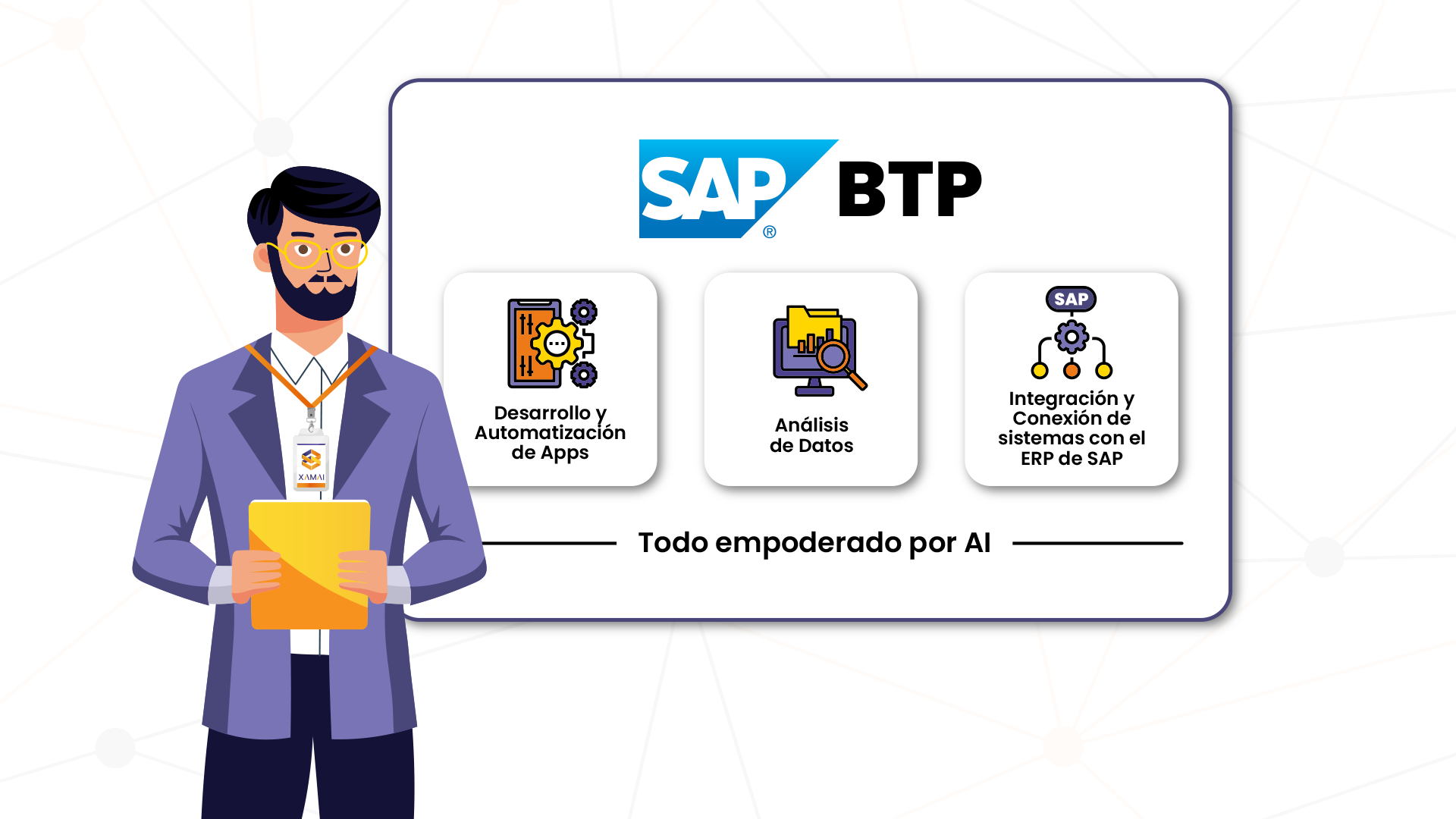
To combat this problem, institutions in Mexico and Latin America must be willing to invest in technology and training, improve technology education, foster innovation and entrepreneurship, improve access to technology, and promote collaboration between companies and universities. It is always recommended to make a difference by implementing strategic business solutions such as the use of an ERP like SAP.
If these strategies are implemented, Mexican companies will be able to improve their competitiveness in the global labor market and contribute to the growth of the national gross domestic product.
In this sense, Xamai can be your guide during the transformation process and accompany you in the business growth that will open the doors to the fourth industrial revolution and leave behind any technological lag.
Ready to talk to SAP specialists?
Tell us what your company needs and we'll help you find the best path.
Request information





 English
  Español de México
  Español