
We tell you how Data Fabric optimizes data management and improves efficiency in your organization.
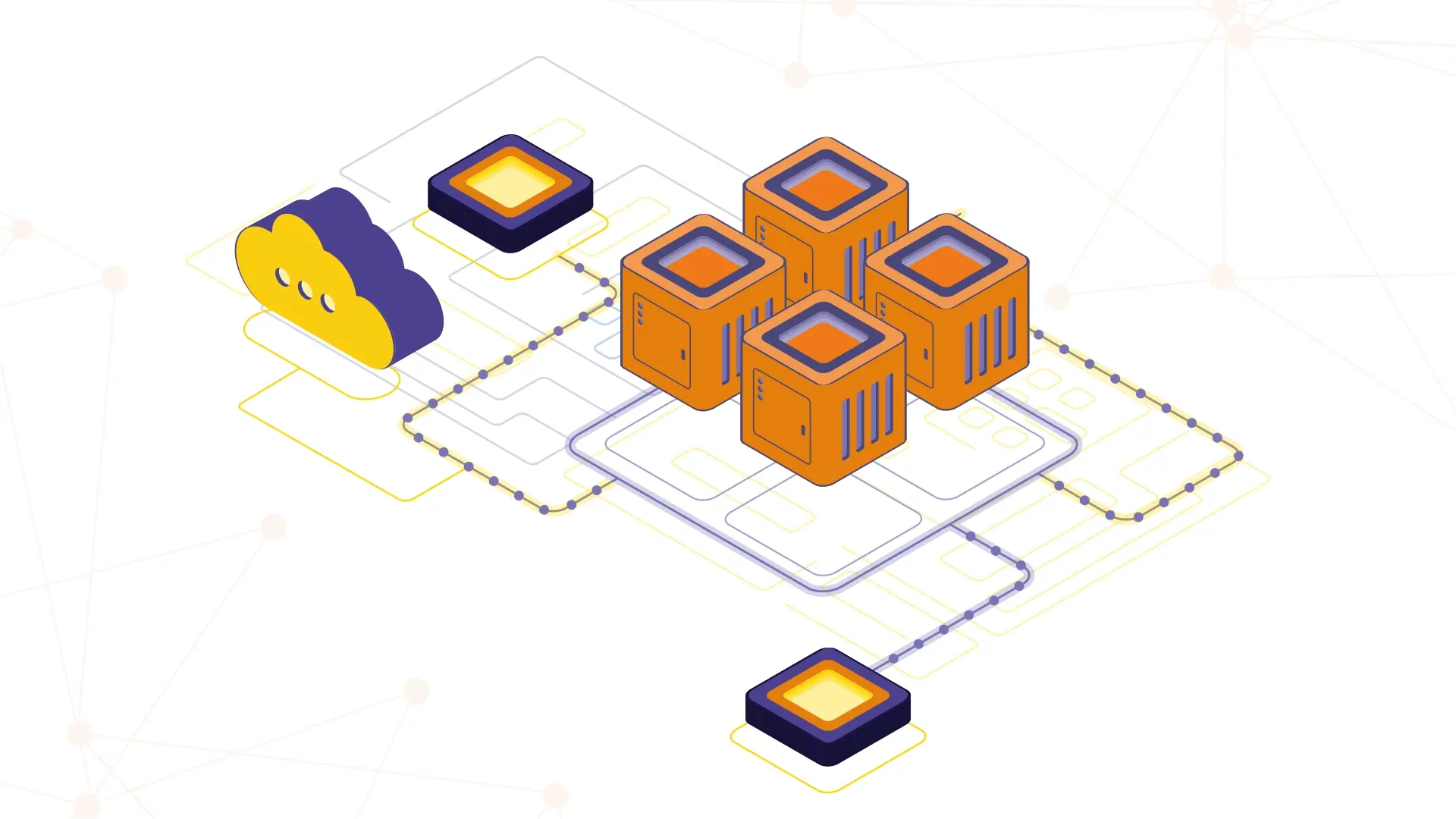
A data fabric or data mesh are solutions within an architecture designed to connect, organize, and facilitate access to data throughout the organization; it is an entire intelligent data structure that joins data sources so that teams, applications, and processes can practically use data in real time and obtain useful business insights.
A next-generation data source
Data fabric aims to offer a single logical source of truth experience, without the need to move everything to a single storage; making integration, connectors, virtualization, and a semantic layer, the fabric allows data management and data analysis to function with greater performance, without depending on the databases or platforms used by the company.
Fundamentals of Data Fabric
Definition and concepts
A data fabric combines:
- Connectors and adapters for multiple data sources.
- Integration and processing capabilities that work in real time or in batches.
- A semantic layer that translates different schemas into a common model.
- Governance, security, and compliance controls.
Characteristics of a Data Fabric architecture
A good data fabric architecture typically includes: automatic data discovery, catalogs, workload orchestration, virtualization, security policies, and administration tools to ensure quality, protection, and controlled access.
Why is Data Fabric important?
Because modern companies live with many fragmented systems and applications, so the data fabric aims to reduce friction between teams and accelerate all processes, supporting everything from reporting to AI and machine learning projects that use clean, governed, and available data.
Advantages of Data Fabric for Companies
Greater data accessibility and integration
A data fabric facilitates integrations between platforms, allows controlled data sharing, and provides access to data from any application or service, whether for analysts, developers, or operations teams.
Improved data management and quality
Data management improves with catalogs, lineage, and quality rules because there are fewer duplicates, better structures, and governance that enables compliance and traceability.
Accelerated analysis and insights
With unified and accessible data, data analysis and AI-based solutions deliver insights faster. The result: better operational and strategic decisions.
Operational efficiency and cost savings
By reducing the need for multiple complex ETLs and redundant copies, a data fabric optimizes processes, reduces storage consumption, and improves workload performance.
Increased data security and compliance
Centralized authorization, encryption, and auditing policies help comply with regulations and protect sensitive data from customers, suppliers, and operations.
How Data Fabric Works
Basic components of the Data Fabric architecture
A fabric in its most typical form has connectors to data sources, virtualization engines, a catalog with lineage, orchestrators, a semantic layer, governance modules, analytics tools, and APIs for consumption by applications and services.
Data Fabric Use Cases
Retail
In the retail sector, data fabric becomes an important piece because it can offer a more consistent experience between physical stores, e-commerce, and service channels. A large retailer can connect points of sale, inventories, catalogs, CRM, delivery systems, and marketing platforms within the same data fabric.
Companies can personalize promotions, anticipate demand peaks, avoid stockouts, and by integrating data from SAP (for example, SAP Commerce or SAP S/4HANA), the business will have control of the flow of products, prices, and availability.
Finance
A data fabric helps unify financial transactions, customer profiles, risk histories, access logs, internal indicators, and external data from specialized providers; this makes it possible to apply machine learning techniques to recognize irregular patterns and activate automatic alerts in seconds.
The fabric also facilitates audits and compliance controls, as it leaves a clear trace of the origin, quality, and journey of each data point. When platforms like SAP for Banking are integrated, the analysis is even more precise and compliance is simpler thanks to standardized processes within the business ecosystem.
Health
In the healthcare sector, data fragmentation is often a major challenge: electronic health records, laboratory studies, wearable data, hospital IoT devices, and administrative systems do not always communicate with each other.
A data fabric unites these pieces and creates a continuous flow between medical teams, systems, and care processes. This improves diagnostic quality, facilitates personalized monitoring of chronic patients, and accelerates clinical studies.
Furthermore, the fabric incorporates strict privacy and governance controls that help manage sensitive data with greater protection. And if the institution uses platforms like SAP Health, the exchange between clinical, financial, and operational areas becomes even more fluid.
Manufacturing: supply chain optimization
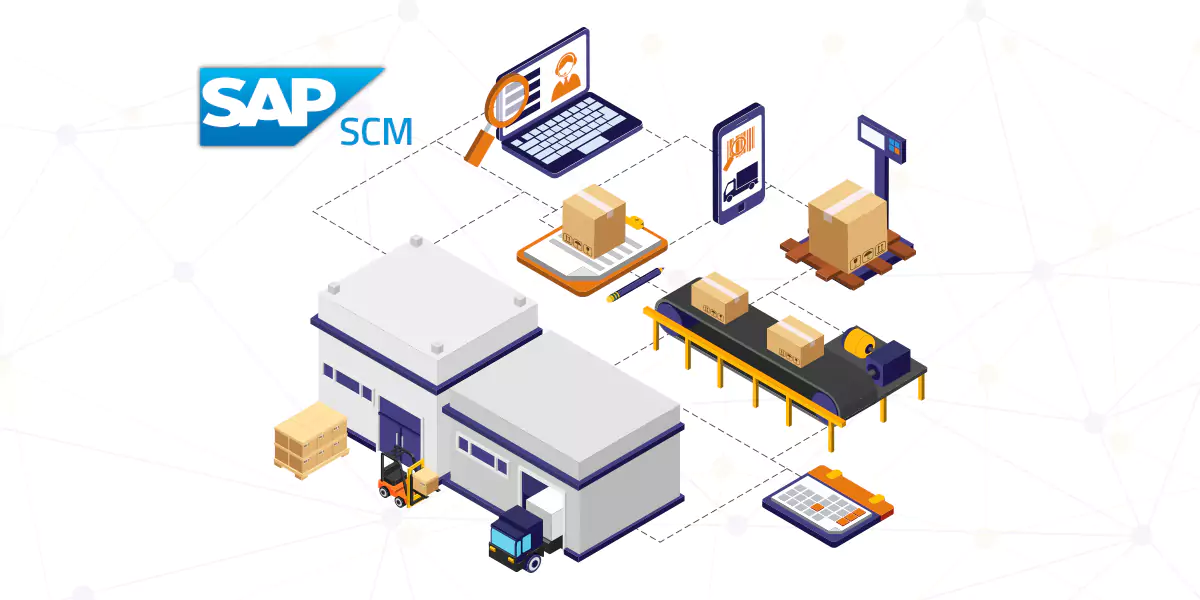
In the manufacturing sector, the data fabric drives efficiency by connecting machine sensors, maintenance systems, IoT platforms, ERPs like SAP S/4HANA, suppliers, and production databases.
The company obtains a continuous view of the status of machines, the flow of materials, production times, and disruption risks. This makes it possible to anticipate failures, plan maintenance without affecting operations, and adjust processes before problems escalate.
It helps to have a more agile supply chain, as real-time data allows you to respond quickly to changes in demand, logistical delays, or bottlenecks in plants and warehouses.
What is data virtualization?
Data virtualization allows querying and combining data from multiple databases or storage locations without physically copying it. It plays a fundamental role in the fabric to offer real-time access, reduce latency, and simplify integrations.
What is a semantic layer?
The semantic layer translates technical formats and models into business-understandable terms (customer, product, order). It is essential for analysts and applications to speak the same language, facilitating decision-making and consumption by analysis tools.
Application strategies
Step-by-step guide to implementing a Data Fabric
The following is a pragmatic plan that combines architecture, governance, and adoption:
Step 1: Define your objectives
Clarify what data problems you want to solve: improve quality, accelerate analytics, support AI, or simplify integration.
Step 2: Data Inventory and Assessment
Create a map of data sources, applications, databases, and workloads. Identify silos, formats, and compliance requirements.
Step 3: Design the Data Fabric Architecture
Choose the necessary components: connectors, virtualization, catalog, semantic layer, and orchestration platforms. Consider scalability, performance, and protection.
Step 4: Develop a Governance Framework
Define clear authorization, lineage, quality, and team roles policies.
Step 5: Pilot and Validate
Start with a high-impact, low-risk use case. Measure improvements in time, cost, and quality before expanding.
Step 6: Deploy and Scale
Extend the fabric to more environments, sources, and applications, prioritizing integrations that provide greater business value.
Step 7: Foster a Data-Driven Culture
Train teams and promote data-backed decisions; facilitate tools and controlled access.
Step 8: Continuous Improvement and Innovation
Monitor, automate processes, and add artificial intelligence and machine learning capabilities for new perspectives.
Integration with SAP and other Platform Providers
For many organizations, integrating the data fabric with enterprise platforms like SAP adds direct value. Products and services within the SAP ecosystem (e.g., integration tools and cloud enterprise platform) can act as a data source, orchestration platform, or processing layer.
This combination allows ERPs, supply chain solutions, and CRMs to feed the fabric with transactional data, while the data fabric enables real-time analytics, compliance, and improvements in operational processes.
FAQ (Frequently Asked Questions)
Does the data fabric replace a data warehouse or a data lake?
Not necessarily. The fabric complements and connects existing warehouses.
How long does it take to implement?
It depends on the scope: a pilot can be seen in weeks, but a broad adoption including governance and culture takes months.
Do I need to change all my databases?
No. The goal is integration and access, not immediate replacement. The data fabric works with multiple databases and systems.
How does it affect security and compliance?
A good data fabric incorporates authorization controls, encryption, and auditing to comply with regulations and protect customer and supplier data.
Can it be used for AI and machine learning projects?
Yes. It facilitates clean, governed, and accessible data for models, improving training and deployment quality and speed.
What role do vendors like SAP play?
Vendors like SAP are both data sources and allies in integration and orchestration. Their software and platforms can interoperate with the fabric and accelerate transformation projects.
What about cookies and behavioral data?
Behavioral data can be integrated into the fabric if privacy regulations are respected and governance and protection rules are applied.
A data fabric is a solution for organizations seeking to turn their scattered data into a competitive advantage: better management, faster analysis, robust security, and support for AI.
For companies that already use enterprise platforms like SAP, the data fabric acts as the backbone that connects processes, customers, suppliers, and operations.
Ready to talk to SAP specialists?
Tell us what your company needs and we'll help you find the best path.
Request information
 English
  Español de México
  Español