
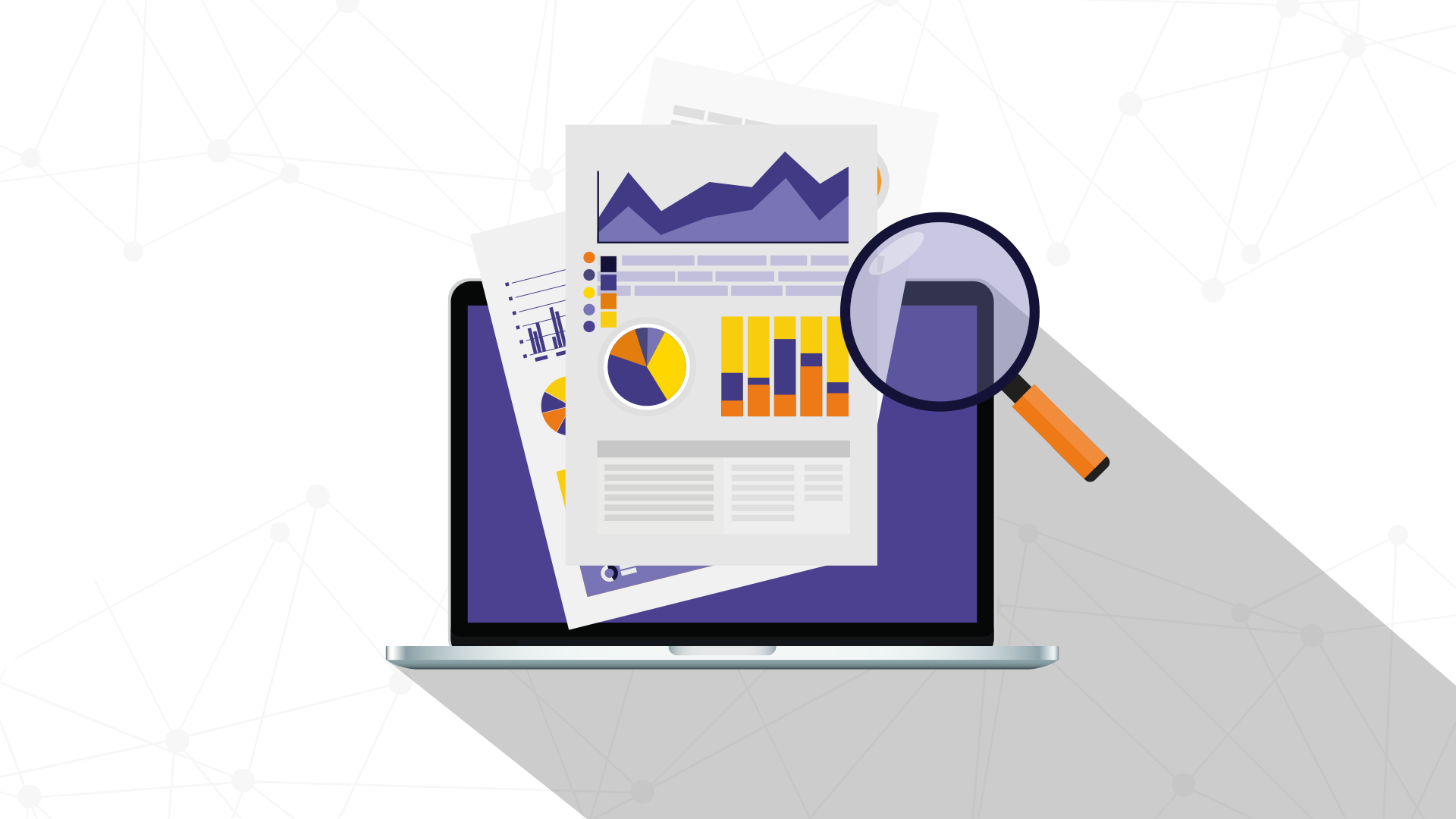
We show you how data management and business intelligence complement each other, enhancing data quality and the effectiveness of analyses.
When we talk about data management, it often sounds like something complicated or only for technology experts. But the truth is that any company can greatly benefit from good data management, because it is the foundation for solid business intelligence and more informed decision-making. Here we explain in simple terms what data management is, why it is key, and how it relates to tools like SAP.
What is Data Management?
In simple terms, data management is the set of processes, procedures, and tools that an organization uses to manage its data. This includes storage, processing, integration, security, and accessibility of information. It's like organizing your house: if your things (in this case, the data) are in their place, everything works better.
The data lifecycle is central to data management, because it ensures that the information is reliable and available when needed.
Latest news and insights on AI
Today, artificial intelligence (AI) and machine learning rely entirely on good data management. AI needs high-quality data to function correctly and deliver reports, data analysis, and models that help with decision-making.
Furthermore, the combination of business intelligence with AI allows companies to personalize services, marketing, and operations, automate tasks, improve processes, and detect growth opportunities that previously went unnoticed.
Why is data management important?
Data management is much more than just storing information: it's the process that allows you to turn data into a strategic asset within any company. This means that, when properly managed, data transforms into a resource that drives intelligence, decision-making, and business growth.
Data as a high-value asset
Every interaction within an organization generates data: from sales and transactions to customer behavior on social media or employee performance. Without data management, this information remains scattered, incomplete, or difficult to use, which can lead to stagnation and decisions based on assumptions.
With solid data management, this data is organized, processed, and transformed into reliable information that supports strategies, improves productivity, and optimizes operations.
Streamlining internal processes
Data management also allows you to automate tasks and procedures, reducing the time employees spend searching for information or correcting errors. This means that professionals can focus on strategic activities, while data flows efficiently through the organization's processes and systems.
Improvement of information quality and availability
Not all data is equal: some is inaccurate, incomplete, or outdated. Data management ensures that information is of high quality, reliable, and easily accessible to those who need it. This is vital for decision-making, because decisions based on correct data generate better results and reduce risks.
Compliance and security
Good data management also protects privacy and guarantees compliance with regulations and laws. This not only avoids penalties, but also protects the company's reputation and generates trust in users, customers, and suppliers.
Driving business intelligence and innovation
Finally, data management is the foundation for business intelligence. When data is well organized and available, models, data analysis, reports, and dashboards can be created that reveal hidden patterns, trends, and opportunities. This opens the door to innovation, personalization of services, more effective marketing, and the implementation of AI and machine learning within the company.
Important aspects of data management
For data management to work, several elements must be considered:
- Data governance: defines policies, procedures, and regulations on how data is handled.
- Data infrastructure and architecture: includes repositories, containers, databases, and the cloud.
- Integration and interoperability: ensuring that applications, systems, and devices can exchange information seamlessly.
- Privacy and security: protecting sensitive data, guaranteeing compliance, and avoiding sanctions.
- Data processing and analysis: transforming information into reports, dashboards, and models useful for users and professionals.
What are the strategies of the Data Manager?
The data manager has a key role within any company, because they are responsible for planning and supervising data management. Some of their most important strategies include:
- Ensuring the availability and accessibility of data.
- Establishing clear procedures for the storage, retrieval, and treatment of information.
- Implementing tools and platforms that facilitate self-service and automation.
- Supervising the data lifecycle to keep it updated and reliable.
- Collaborating with marketing, human resources, suppliers, and users so that data is used strategically.
Drive your business with SAP and data management
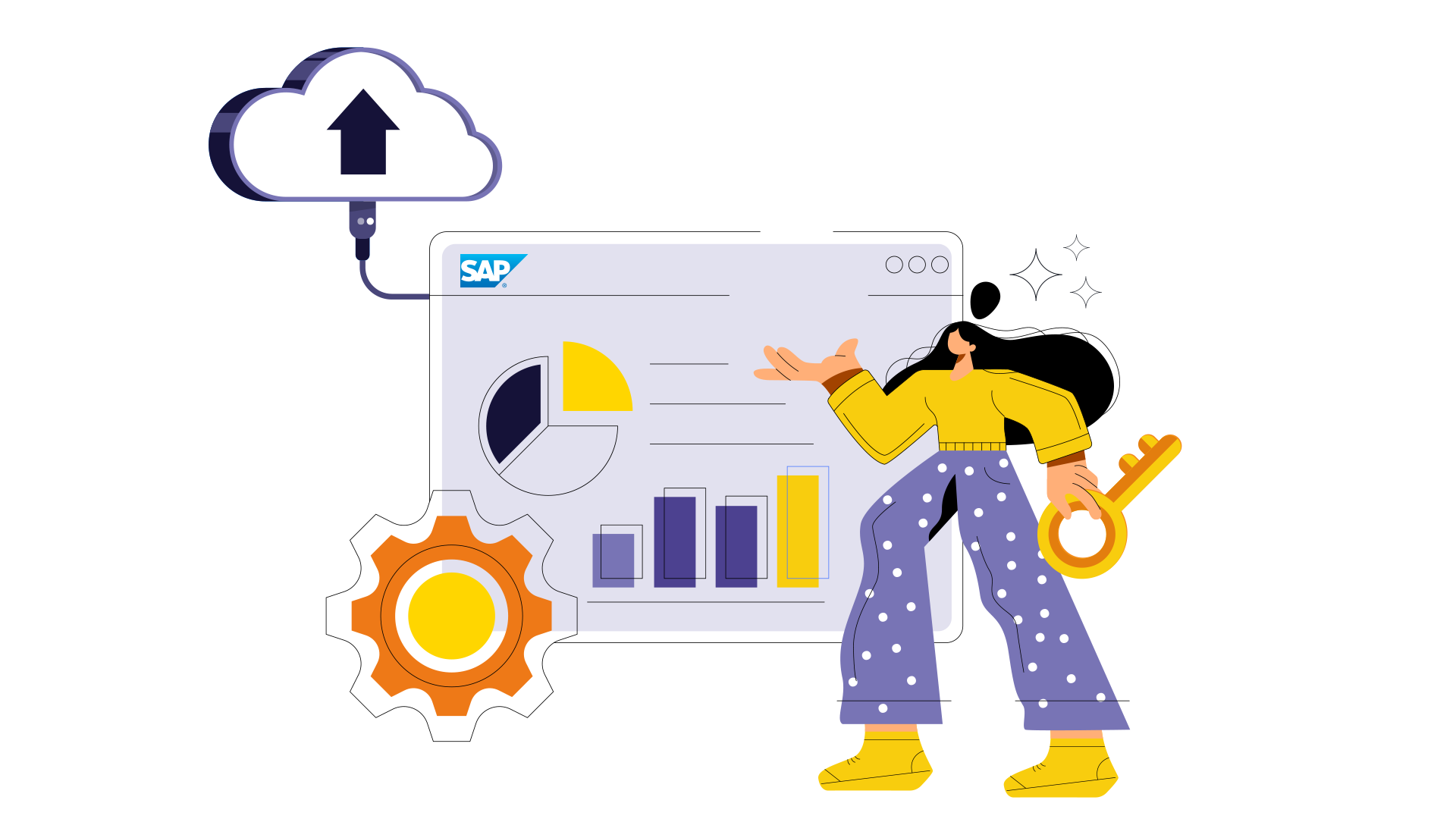
SAP platforms are much more than just software; they are a strategic tool that allows companies to centralize and organize all their data in a single system. This includes information from finance, human resources, sales, operations, and other key areas, which facilitates the integration, processing, and real-time analysis of data.
Thanks to SAP, users can generate custom reports, make faster and more accurate decisions, and optimize processes within the organization. In addition, the platform ensures that data is of high quality, complies with regulations, improves technological infrastructure, guaranteeing the availability, accessibility, and security of information.
The combination of SAP with good data management drives business intelligence, automates tasks, allows the implementation of AI and machine learning, and opens up new growth opportunities by transforming information into a strategic asset.
Don't let your data remain scattered and create the best corporate alliance of Xamai and SAP. Discover how our cloud solutions can transform your processes, ensure high-quality data, and improve your company's productivity.
Ready to talk to SAP specialists?
Tell us what your company needs and we'll help you find the best path.
Request information





 English
  Español de México
  Español