
Updated: September 2025
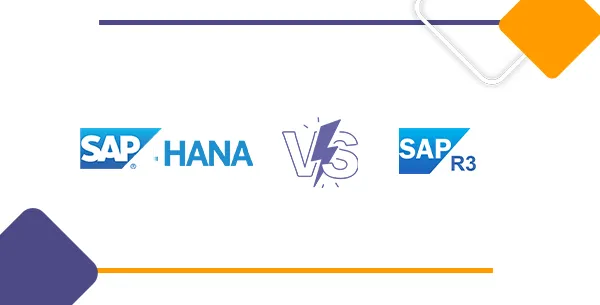
We explain why SAP R3 will stop working and what are the reasons why SAP HANA replaces it?
Since SAP R/3 was released in the nineties, companies found in this software an all-in-one system to manage finance, human resources, sales and distribution, production, accounting, and much more.
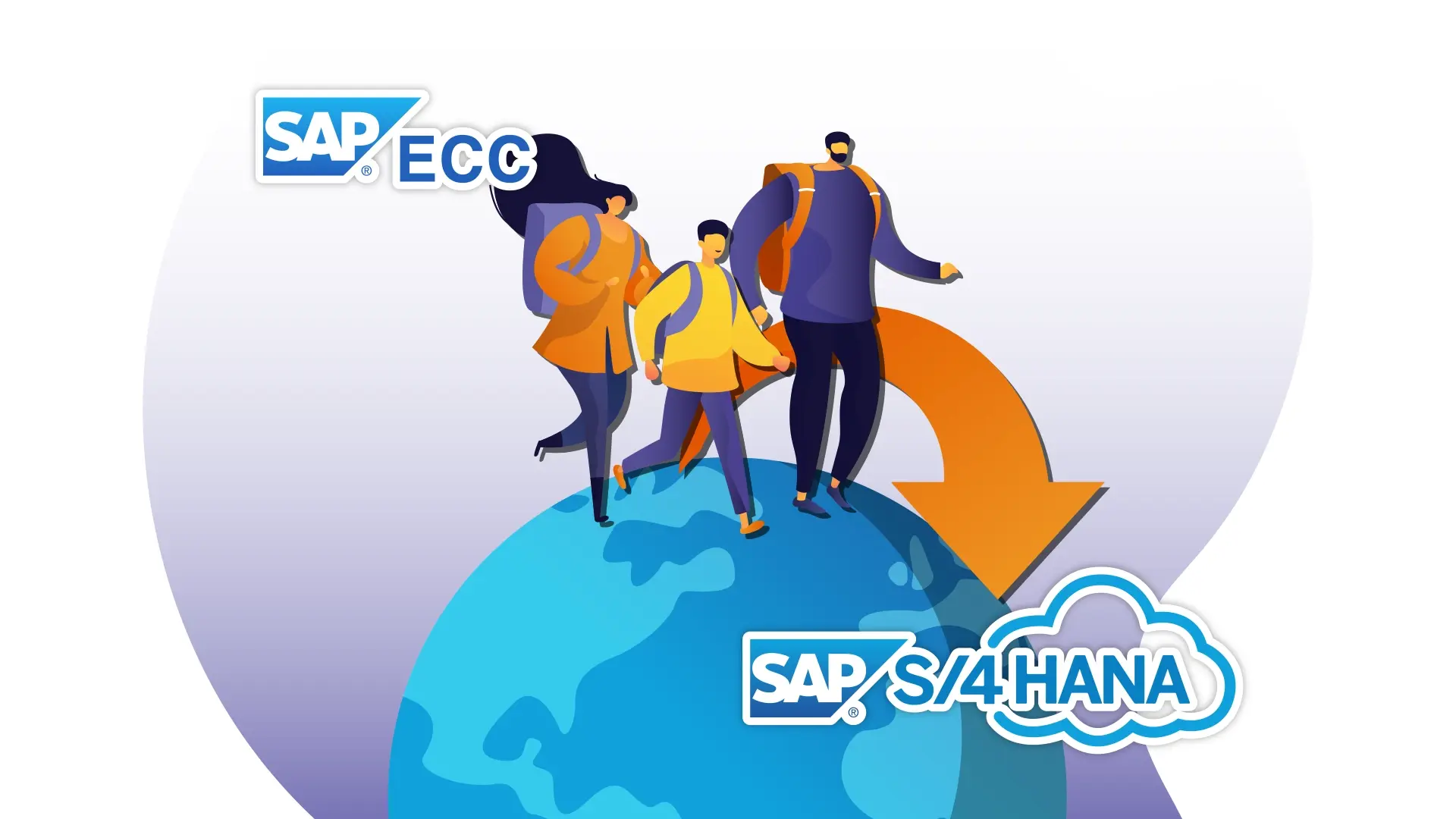
But as with technology, what was once a global standard is now considered a discontinued version. The future points towards SAP HANA and SAP S/4HANA, which represent not only a technical migration but also a radical change in the way organizations manage their processes, their data, and their business.
SAP R/3: the beginning of an era
Launched in 1992, SAP R/3 became one of the most widely used enterprise resource planning systems. Its three-tier client-server architecture set a trend:
- Presentation layer: the user interface.
- Application layer: where transactions and business logic were processed.
- Database layer: with options such as Oracle or SQL Server.
This model allowed integration of modules such as personnel administration, payroll calculation, organizational management, production planning, or logistics. At the time, it was a true revolution for the administration and resource management departments of companies.
The problem is that, over the years, R/3 fell short in terms of data processing, performance, and adaptation to new demands: large volumes of data, real-time, artificial intelligence, or machine learning. That's why SAP decided to make a clean break.
Evolution with SAP HANA
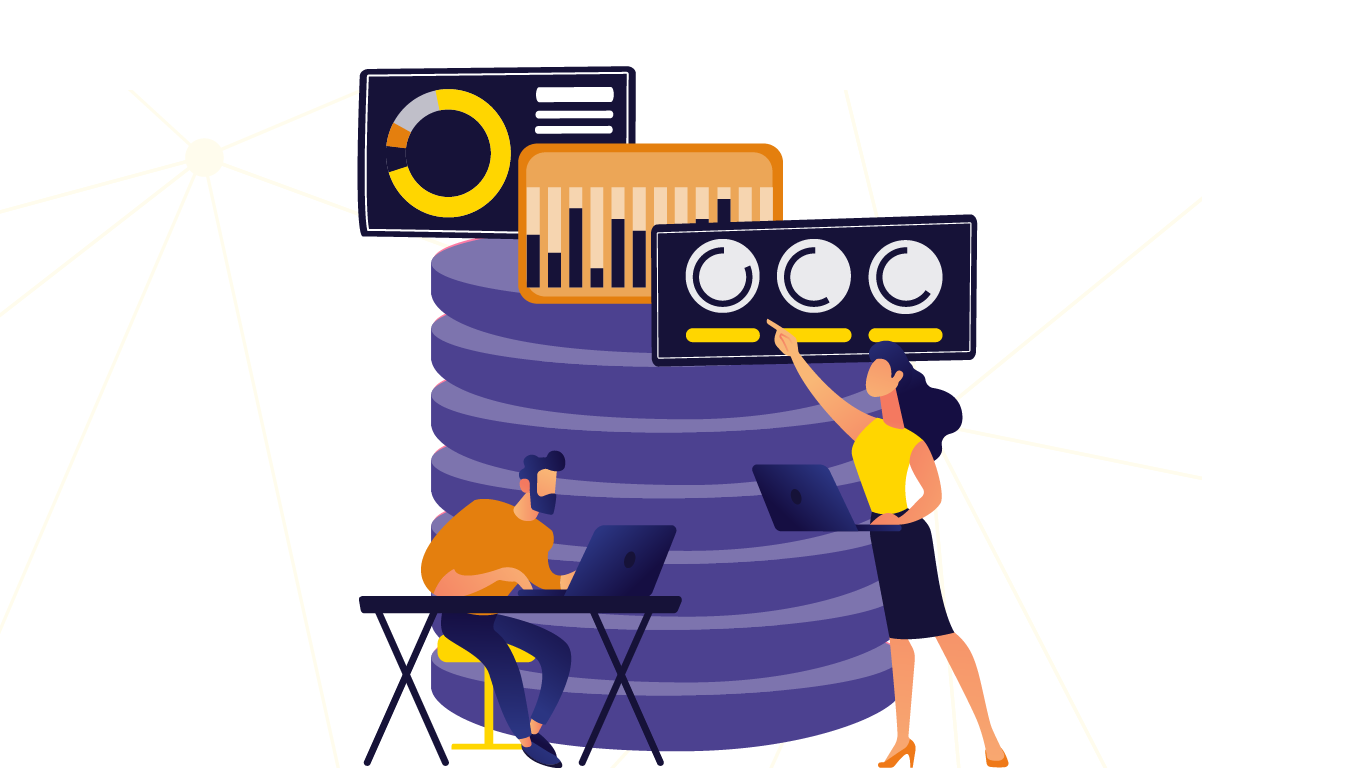
In 2010, SAP HANA arrived, not as an ERP itself, but as an in-memory database that changed the game. Instead of storing information on disk, it handles it directly in RAM, multiplying real-time processing capacity.
This opened the door to instant analytical reports, advanced analytics, and supporting applications that previously seemed impossible due to the amount of data. HANA became the technological heart of SAP's evolution, the piece upon which the next big bet would be built: S/4HANA.
The foundations left by SAP R3
When SAP R/3 was released in 1992, it introduced several innovations that at the time marked a before and after in enterprise resource planning (ERP). Those same foundations were the 'fertile ground' on which S/4HANA was developed.
1. Client-server architecture
R/3 pioneered abandoning mainframe systems and opting for a three-tier architecture: presentation, application, and database. This allowed companies to have more flexibility, scalability, and a clearer model of process management. Today, that same concept is reinterpreted in S/4HANA, but with in-memory computing and cloud deployment.
2. Integration of modules
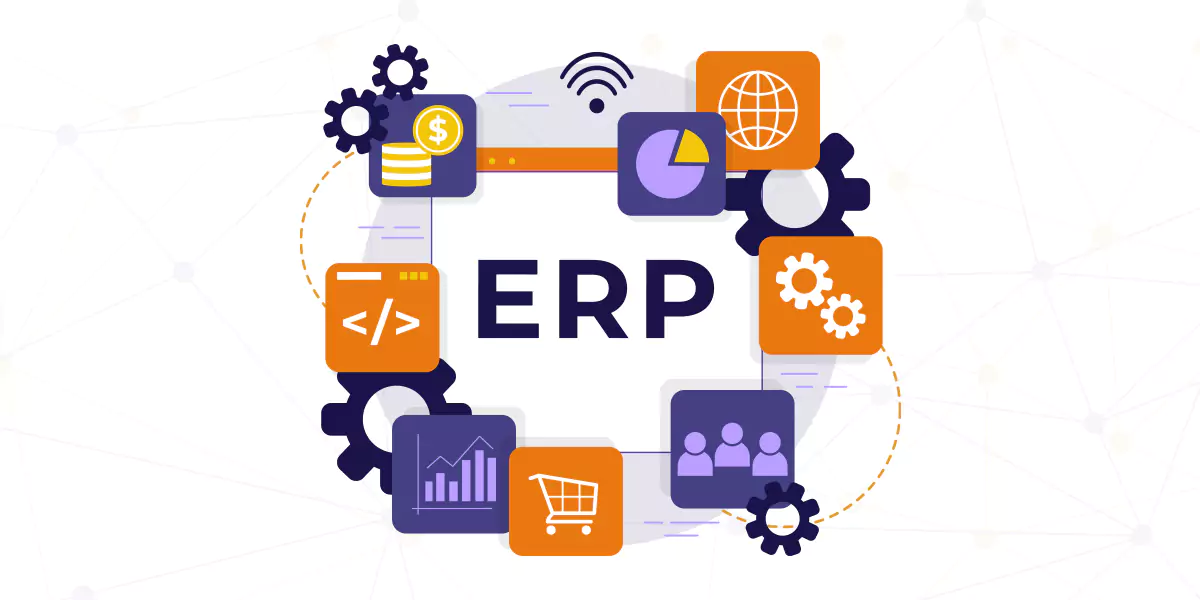
With R/3, SAP consolidated the idea of an all-in-one ERP: a single software that connected finance, sales, logistics, production, human resources, and even payroll calculation. That vision of total integration was the basis for what S/4HANA now does, only with modern interfaces and real-time analytics.
3. Standardized processes
R/3 helped formalize business processes under a common language and with modules such as production planning, material requirement planning (MRP), or organizational management. That standardization gave SAP the strength to be considered a global standard, and allowed it to evolve into a system that now incorporates artificial intelligence, machine learning, and greater personalization.
4. ABAP language and business logic
R/3 brought with it ABAP (Advanced Business Application Programming), which allowed thousands of consultants and programmers to customize and create applications on the system. That development ecosystem expanded over time and now in S/4HANA coexists with new technologies such as SAP Fiori, APIs, and cloud extensions.
5. Culture of ERP as the brain of the company
Perhaps the most important thing is that R/3 positioned SAP as the 'brain' of business operations. It turned information into a central asset and showed the value of having a single system that supports all areas. That philosophy is taken to the next level in S/4HANA, where data is not only stored, but processed and transformed into intelligent decisions.
SAP S/4HANA: the present and future of ERP
SAP S/4HANA is the ERP suite designed specifically to run on HANA. Its goal is clear: to simplify, accelerate, and integrate.
With S/4HANA, companies can work with real-time information, have a much more intuitive user interface (thanks to Fiori), and take advantage of in-memory computing for complex processes such as material requirement planning, sales and distribution, e-recruiting, or even training event management.
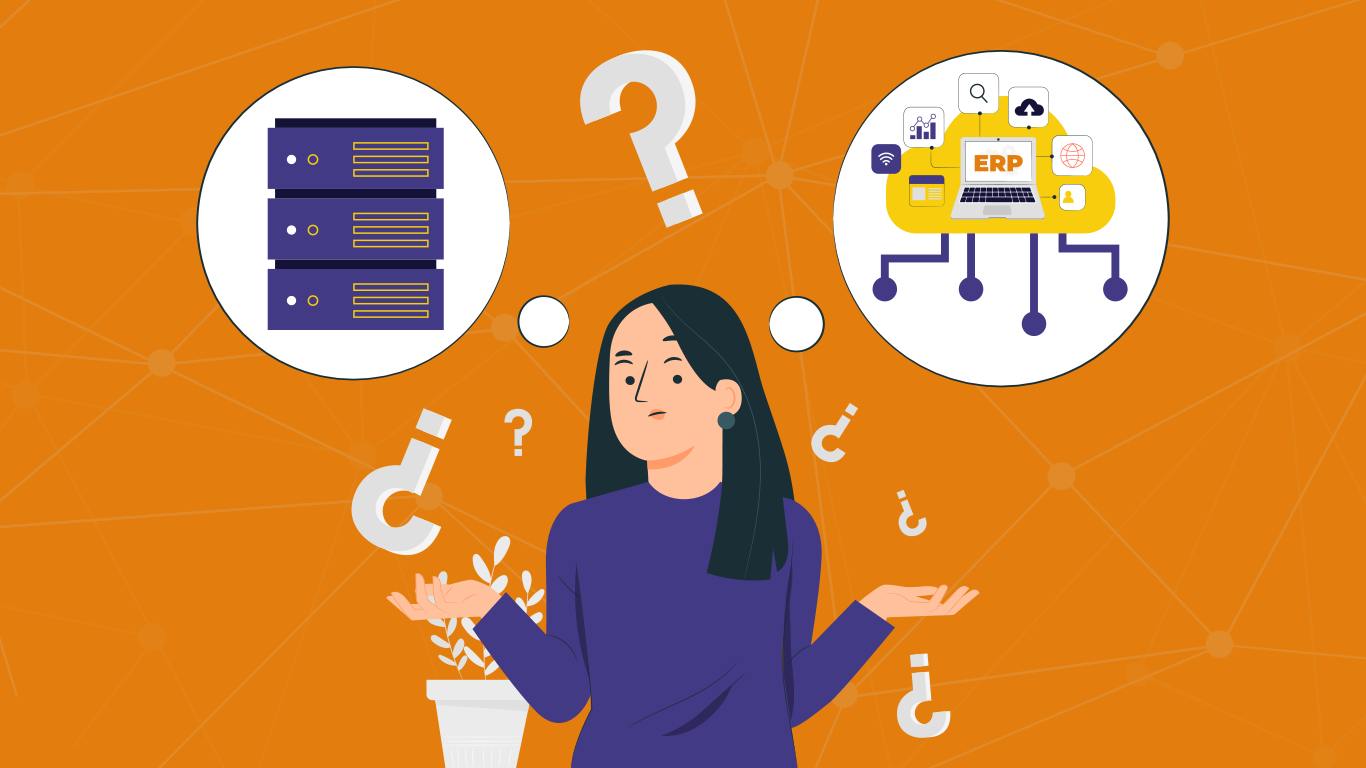
In addition, it adapts to different scenarios: it can function on-premise, in the cloud, or in hybrid models. And most importantly: it facilitates integration with other SAP applications, such as SAP Business One for growing companies, or human resources solutions like SuccessFactors.
From discontinuity to innovation
The difference is that SAP R/3 stopped evolving. For years it was the foundation of thousands of companies, but SAP has gradually withdrawn its support, marking a clear discontinuity that forces us to think about the future. It's no longer just about “patching” an old system or maintaining the infrastructure with the bare minimum; the message is clear: you need to migrate to SAP S/4HANA.
And this leap is not just a technical issue of changing software or database, but a movement that can redefine the way an organization works.
Migrating means:
- Modernizing the infrastructure: moving from a traditional client-server architecture to an environment prepared for in-memory computing, cloud integration, and the flexibility that new business models demand.
- Improving Enterprise Resource Management (ERP): simplifying processes, reducing redundancies in the modules, and achieving a more connected way of working for finance, logistics, human resources, and production areas.
- Preparing for the use of artificial intelligence and machine learning tools: leveraging information not only to record operations, but to anticipate scenarios, optimize planning, and automate critical tasks in areas such as materials management, accounting, or sales and distribution.
- Empowering instant decision-making: thanks to the processing of large volumes of data in seconds, companies can react faster, detect risks, identify opportunities, and maintain greater control over their operations.
In short, the discontinuation of R/3 is not an end, but a turning point because it is an opportunity for organizations to move from a classic ERP model to a much more agile, connected, and future-ready platform, where information flows freely and innovation becomes a natural part of business strategy.
Xamai's role in the transformation
At Xamai, as a SAP Gold Partner, we know that every business is unique. Our team accompanies companies on this implementation journey, from maintenance and configuration projects to complete transformation to SAP S/4HANA.
Whether you are evaluating a migration from R/3, optimizing your SAP Business One, or exploring new SAP solutions, our goal is for your organization to make the most of technology to achieve sustainable growth, improve control, and obtain real results.
Ready to talk to SAP specialists?
Tell us what your company needs and we'll help you find the best path.
Request information

 English
  Español de México
  Español