
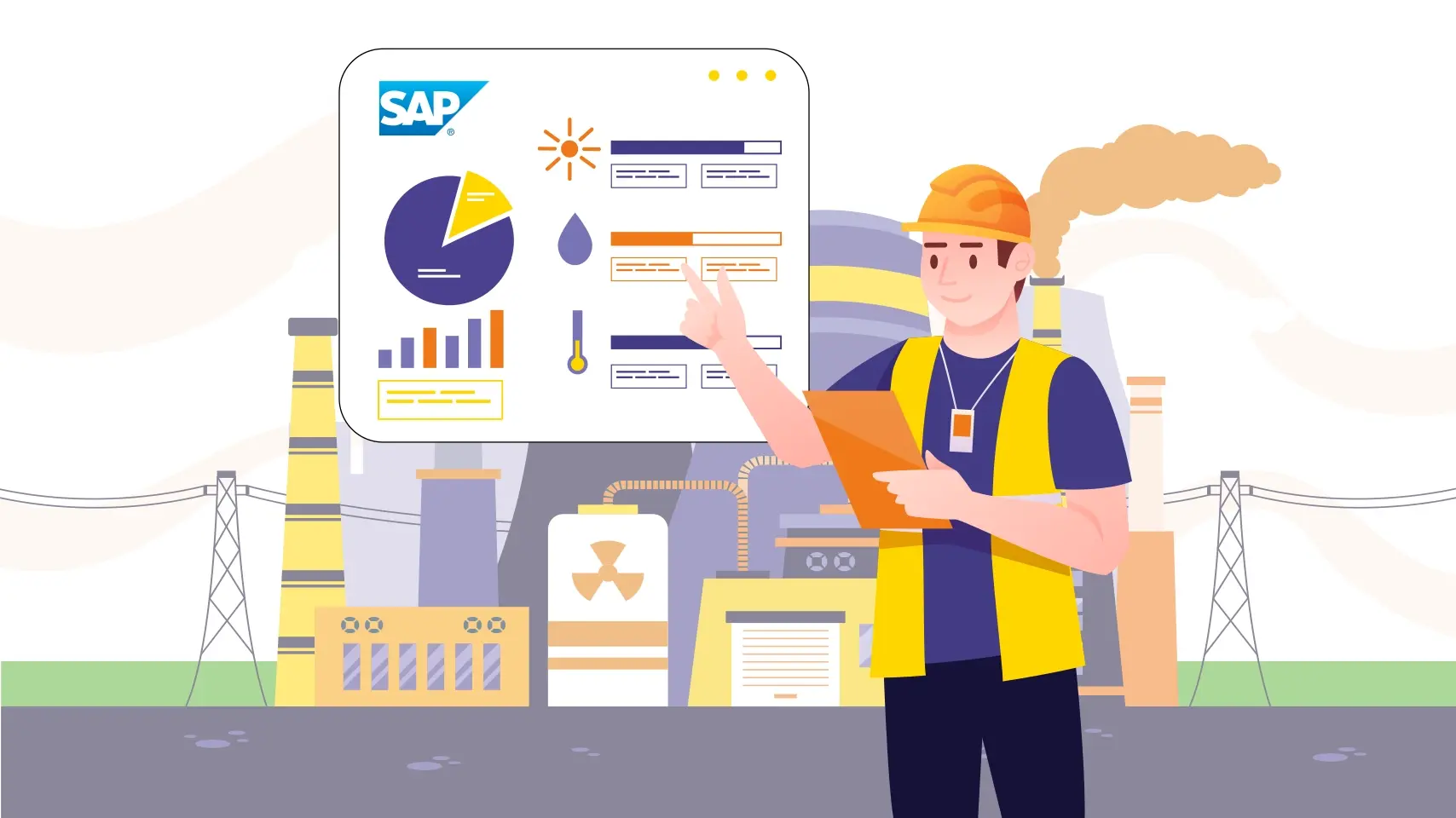
We tell you how technology transforms the industry, improving efficiency and promoting a sustainable future.
The way companies plan, manufacture, distribute, and sell their products is changing radically thanks to technology.
But, do you really know what this transformation entails? Why is it so relevant today? And how is it permanently changing industrial environments? Today we explain it to you from Xamai.
What is technology in the industry?
When we talk about technology in the industry, we mean the use we make of tools, devices, operating systems, software, and specialized techniques that help improve industrial and manufacturing processes.
It ranges from the automation of repetitive tasks to the incorporation of intelligent sensors for equipment tracking or the use of cloud computing for the management of complex industrial projects. All of the above is about applying to improve the functioning of production systems and be more efficient with greater speed, quality, and safety in operations.
It implies a constant evolution in working methods, which increasingly integrate disciplines such as computer science, robotics, programming, artificial intelligence, and machine learning.
The true impact of technology in the industry
The impact of technology has been profound and in many facets, because industries that have adopted new technologies have managed to improve their productivity,
reduce human errors, streamline decision-making, and offer higher quality products.
Among the most notable effects is the digitalization of industrial processes, which provides access to real-time data to better control resources, anticipate problems, and make more informed decisions, something we wouldn't have imagined a decade ago.
Thanks to these improvements, there is less waste and a greater ability to adapt to consumer demands without downtime. Now we can know what the customer needs practically at the moment.
But, it is important to highlight that its environmental impact is also evident because by having precise control over the use of materials, energy, and water, many factories are reducing their ecological footprint, thanks to the incorporation of more sustainable solutions.
Types of industrial technologies most used
Currently, industrial technology encompasses a wide range of tools and applications such as the following:
1. Automation and robotics
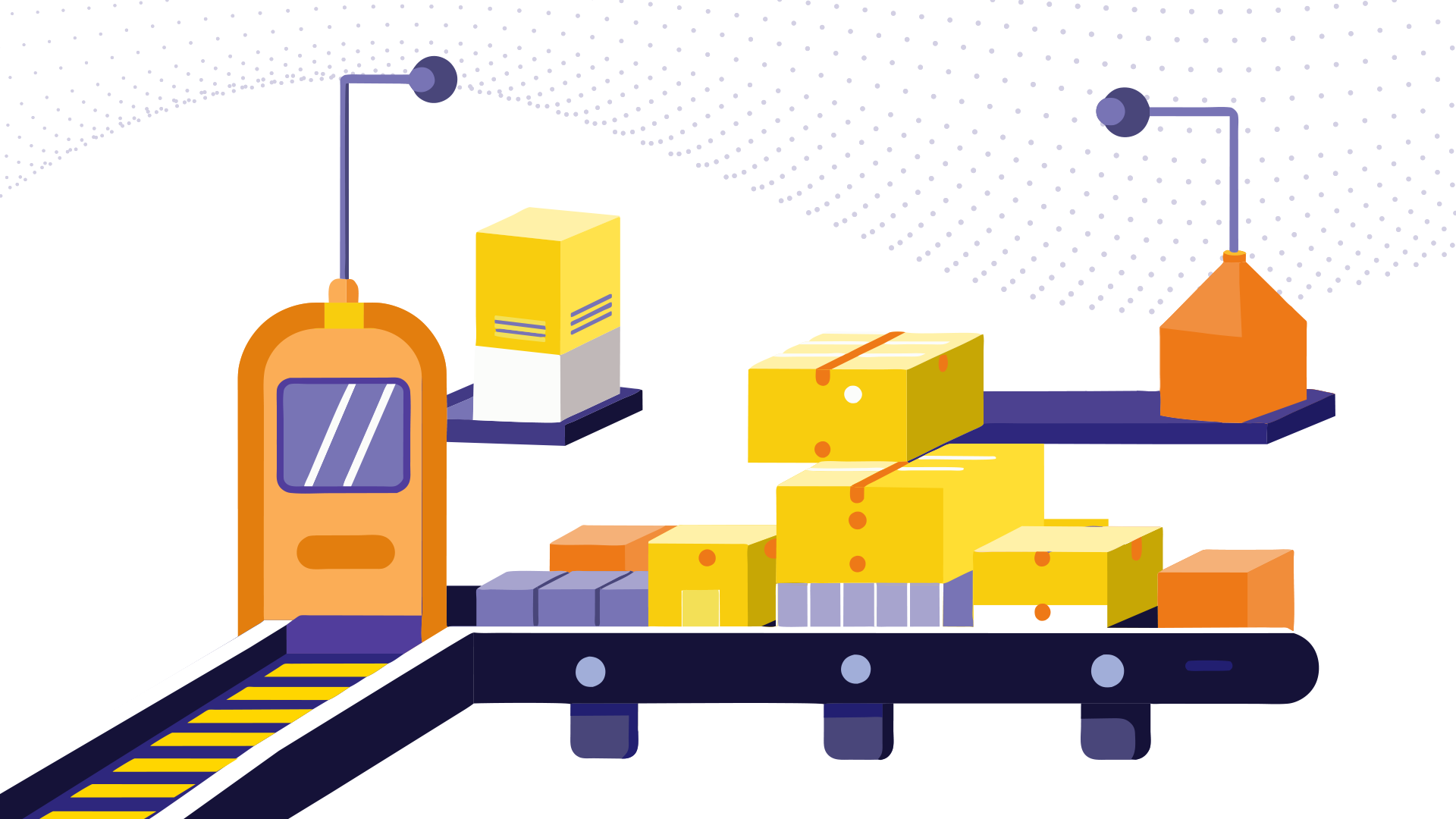
These technologies allow machines and systems to perform repetitive tasks with high precision and are used in manufacturing lines, packaging, inspection, and maintenance, among others.
2. Internet of Things (IoT)
It connects devices and sensors in a network to collect and share information, generally used for machine performance monitoring, environmental condition supervision, or logistics and supply chain management.
3. Artificial intelligence and machine learning
These technologies allow analyzing large volumes of data to identify patterns, predict failures, and optimize decisions; they help control production and demand planning.
4. Cloud computing
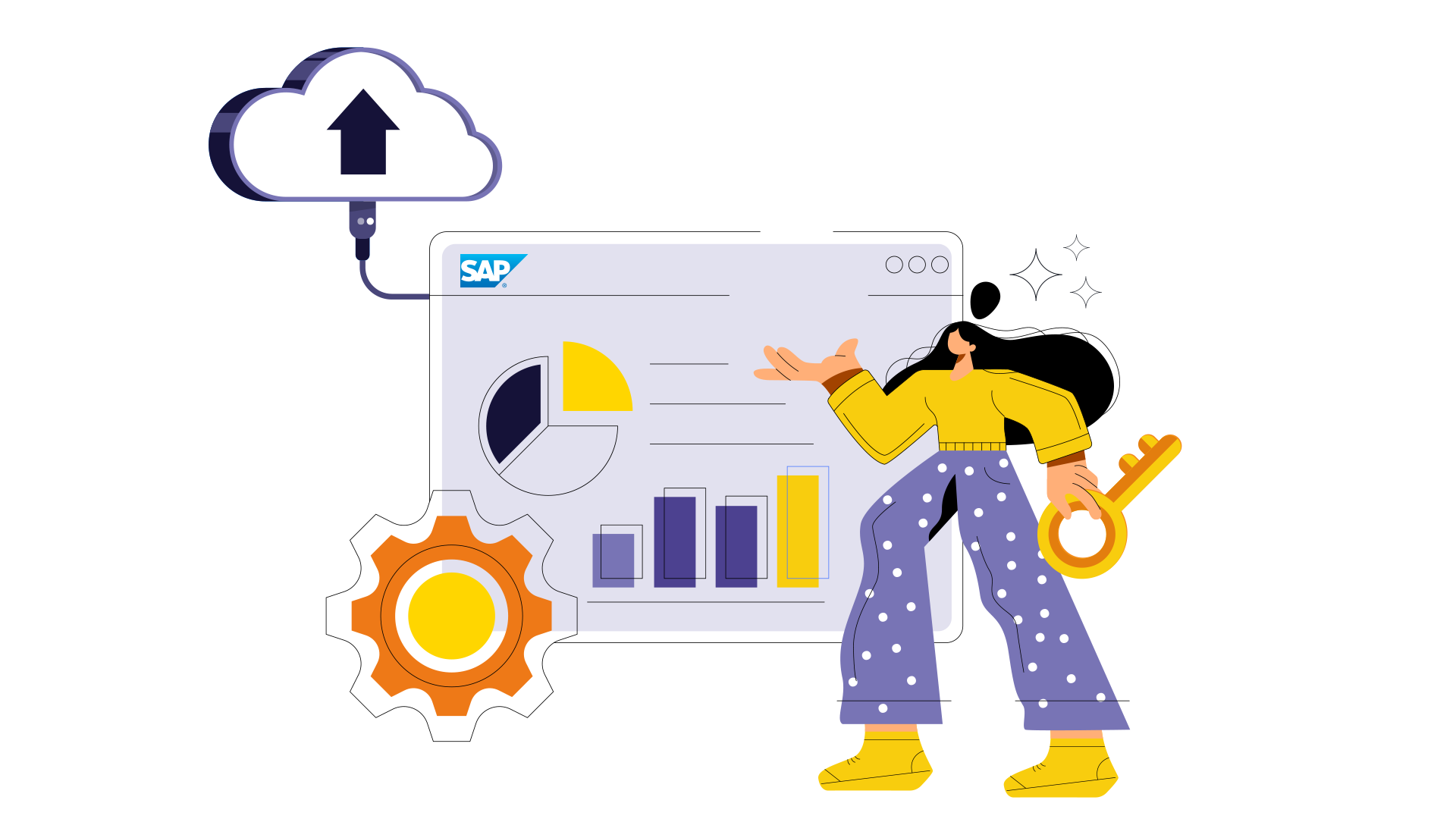
Cloud computing facilitates access to information and programs from anywhere, ideal for coordinating distributed work teams and implementing industrial solutions on a large scale.
5. Augmented reality and virtual reality
These technologies are used to train workers, simulate construction projects, or design processes before their physical execution.
6. 3D printing
Increasingly common in manufacturing, it allows creating prototypes or custom parts quickly, reducing times and costs.
Benefits offered by technology in the industry
The application of new technologies brings many advantages to companies in various industries. Let's see some:
- Efficiency in operations by automating tasks and accelerating production time.
- Product quality offered thanks to the use of sensors and control systems that ensure standards are met at each stage.
- Intelligent decision-making thanks to the obtaining of precise information.
- Automated systems reduce workers' exposure to situations of
risk. - Resource usage is optimized and waste and emissions are reduced, making industries sustainable.
- Companies that adopt modern industrial technologies can offer better products, faster and at a lower cost, being more competitive.
Why is it important?
The importance of technology in industry lies in its ability to transform not only how things are produced, but also why and for whom, since today consumers are increasingly demanding and markets are more volatile.
Having intelligent, agile and connected systems has become a necessity rather than an option.
The current industrial revolution, also known as Industry 4.0, is not only about technology, but about a new way of thinking about industrial businesses where digitalization, automation, data analysis, interconnection of systems and collaboration between humans and machines converge. The future is now and technology offers specific solutions for practically all areas of an industrial company. Even traditionally more manual areas such as maintenance and supervision are being transformed by intelligent tools.
New technologies, new challenges.
Although technological advances offer many opportunities, they also pose important challenges. Proper implementation requires investment, organizational adaptation, and above all, trained professionals, such as engineers, computer science specialists, technologists and industrial communication experts.
Furthermore, it is essential to work on integrating these systems within existing processes, avoiding dependence on single suppliers and ensuring that information is protected. Another point is to support human talent, who must feel part of the change, and not replaced by technology.
The evolution towards a connected and human industry.
Technology in industry not only improves the performance of factories, but also redefines the role of workers. Today, the interaction between people and machines is closer and more collaborative. Operators no longer just execute mechanical tasks, but supervise, program and optimize with the help of digital interfaces and specialized operating systems.
Furthermore, the development of training programs in augmented reality, machine learning and other tools facilitates the development of new technical skills, improving employability and motivation.
The engine of the future industrial.
The future is no longer built only with steel and machinery, but with data, innovation and collaboration. The incorporation of intelligent technologies not only solves current problems, but anticipates future needs and improves the lives of those who work and consume in this transforming industrial ecosystem, and adopting technological solutions not only means improving processes, it also means understanding how data, automation and artificial intelligence can drive a more efficient, human and future-ready industry.
The challenge is to know how to integrate these tools strategically, without losing sight of the business objectives or the people who make them possible. And on that path, having an expert ally can make all the difference.
At Xamai, we help industrial companies modernize their operations with specialized SAP solutions, adapted to each environment and need. We are SAP Gold Partner and accompany the entire digital transformation process with a human, technical and sustainable focus.
Ready to talk to SAP specialists?
Tell us what your company needs and we'll help you find the best path.
Request information


 English
  Español de México
  Español