

El objetivo principal de realizar un inventario físico es contar y registrar de manera precisa y exhaustiva todos los activos y productos existentes en una empresa en un momento determinado. Esta actividad tiene varios propósitos importantes.
En primer lugar, el inventario físico permite mantener un control adecuado sobre los bienes de la empresa, identificando cualquier discrepancia entre los registros contables y la realidad física.
Además, proporciona una base sólida para la toma de decisiones estratégicas, como la planificación de la producción, la gestión de compras y la optimización de la cadena de suministro.
También es una herramienta esencial para evaluar el valor total de los activos y calcular los costos de producción y las ganancias.
En general podríamos decir que busca garantizar la exactitud de la información contable, facilitar la gestión eficiente de los recursos y respaldar la toma de decisiones informadas en una organización.
Pero analicemos cada punto de la gestión de inventarios:
¿Qué es la gestión de inventarios?
La gestión de inventarios es el proceso de planificación, control y supervisión de los productos o materiales que una empresa posee para su venta, producción o distribución.
Implica un sistema de seguimiento y registro de las existencias disponibles, la determinación de los niveles óptimos de inventario, la gestión de las entradas y salidas de mercancías, así como la evaluación de la demanda y la anticipación de posibles escaseces o excesos.
La gestión de inventarios busca garantizar que la empresa cuente con la cantidad adecuada de productos en el momento oportuno, evitando tanto la falta como el exceso de stock, para optimizar los costos, maximizar la eficiencia operativa y satisfacer las necesidades de los clientes de manera efectiva.
Importancia de la gestión del inventario en las empresas
Inventory management plays a fundamental role in the success of companies. Well-managed inventory allows companies to efficiently meet customer demands, minimizing operating costs and maximizing revenue.
By maintaining adequate control of inventory levels, companies can avoid problems such as product shortages, obsolescence, and the costs associated with excessive storage.
Furthermore, inventory management allows companies to optimize their production and distribution processes, ensuring that products are available at the right time and place.
This not only improves customer satisfaction, but also helps to maintain competitiveness in the market.
Effective inventory management also contributes to operational efficiency and the profitability of companies.
By having detailed control over inventory, companies can quickly identify high-performing products and those with low turnover.
This allows them to make informed decisions about aspects such as purchasing, promotions, and pricing strategies. In addition, efficient inventory management helps to reduce costs associated with storage, maintenance, and the risk of loss or damage to products.
By minimizing inventory surpluses and shortages, companies can improve their cash flow and maintain a healthy balance between supply and demand.
Proper inventory management not only improves customer satisfaction, but also contributes to operational efficiency and the profitability of companies. It is a key element to maintain competitiveness in the current market, where efficiency and responsiveness are essential.
Types of Inventory Management Systems
Inventory management systems are tools and methods used by companies to control and administer their inventories efficiently. These systems can vary depending on the specific needs and characteristics of each company.
Here are some of the most common types of inventory management systems:
1. Just in Time (JIT):
This approach is based on minimizing inventory levels by maintaining only the necessary amount of products to meet immediate demand.
Orders are placed just in time to avoid excess inventory and associated costs.
2. First In, First Out (FIFO):
This method is based on the premise that the first products that enter inventory are the first to be sold.
This avoids aging and obsolescence of inventory and maintains adequate turnover.
3. Last In, First Out (LIFO):
Unlike the FIFO method, the LIFO method considers that the last products that enter inventory are the first to be sold.
This strategy can be useful in situations where the costs of products increase over time.
4. Reorder Point (ROP) System:
This system establishes a minimum inventory level at which a new order must be placed to replenish inventory.
The reorder point is based on the expected consumption during the supplier's delivery time and helps to avoid product shortages.
5. ABC System:
This approach classifies products into categories based on their value. Fast-moving and high-value products are managed more rigorously, while slow-moving and low-value products are managed with less attention.
This allows for an efficient allocation of resources and management efforts.
6. Demand-Based Inventory Management System (DBM):
This system uses forecasting techniques and demand analysis to predict future inventory needs. It is based on the analysis of historical data and demand patterns to make purchasing and restocking decisions.
These are just a few examples of the types of warehouse inventory management systems that exist. Each company can adapt and combine different methods according to its specific needs, the type of product it handles, and other relevant factors.
It is important to consider that the choice of the appropriate inventory management system can have a significant impact on a company's operational efficiency and costs. At XAMAI, we understand the changing needs of the market.
Our platform adapts to your company, regardless of its size or sector. We customize our solutions to fit your specific requirements, offering you a unique inventory management experience tailored to your needs. Contact us to resolve all your doubts!
Ready to talk to SAP specialists?
Tell us what your company needs and we'll help you find the best path.
Request information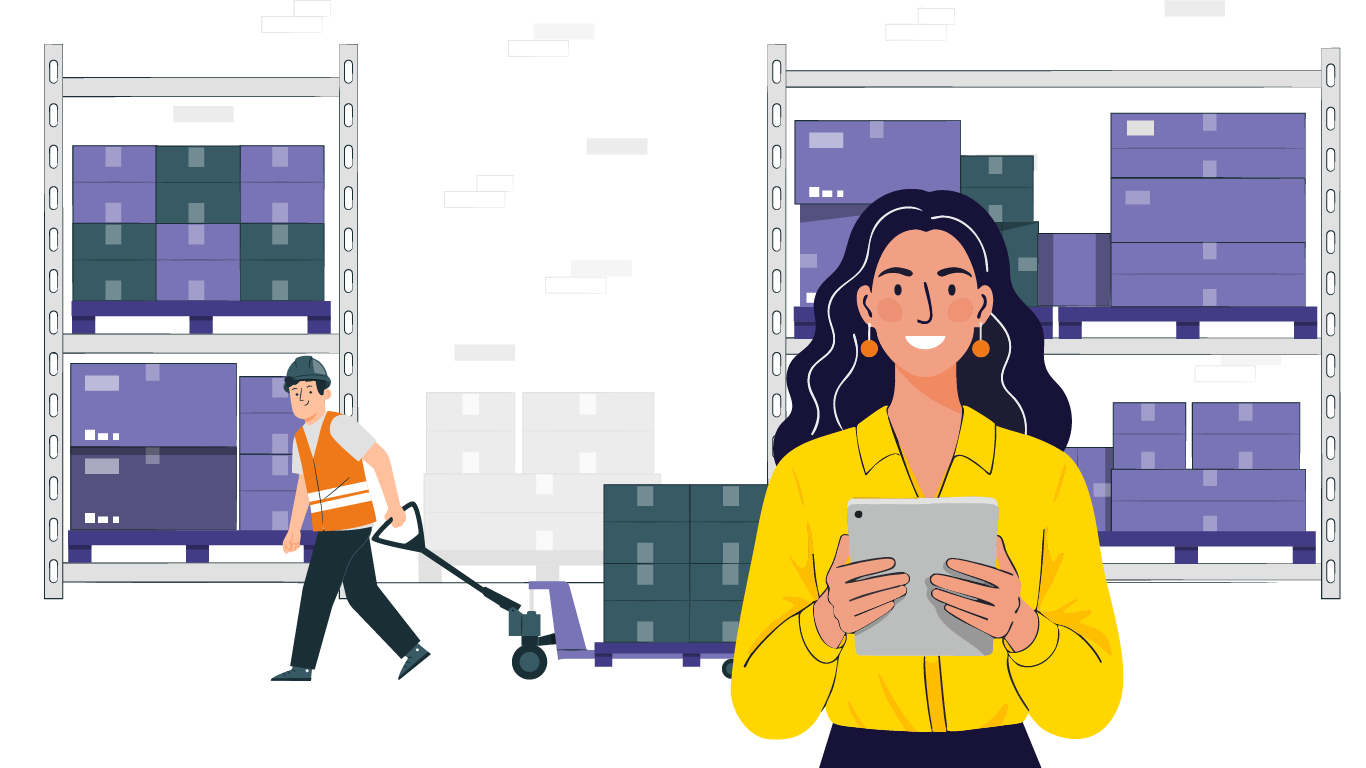






 English
  Español de México
  Español