

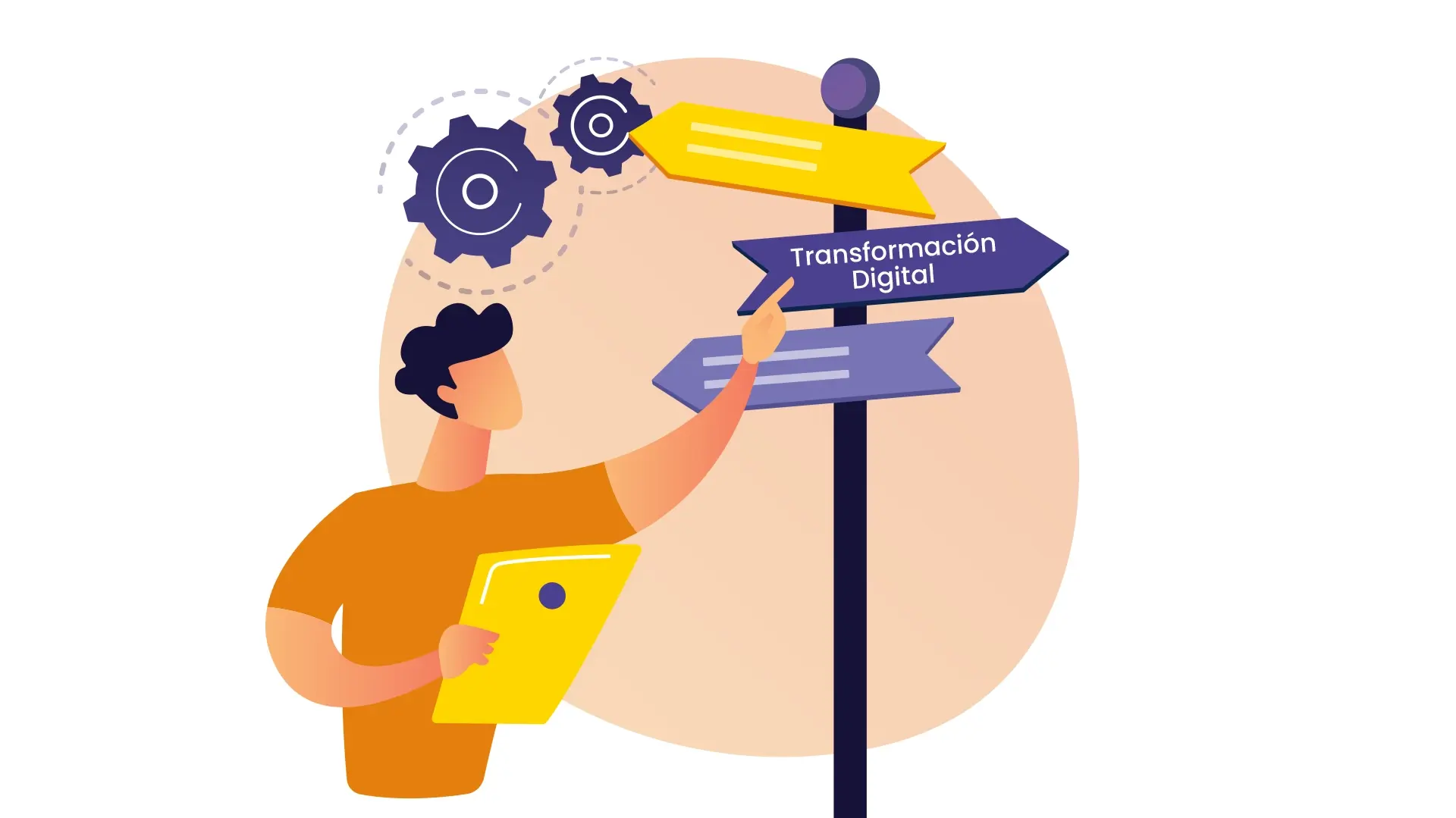
Conoce cómo una estrategia de transformación digital mejora procesos, integra datos, mejora operaciones y fortalece la competitividad empresarial con nuevas tecnologías.
La transformación digital en el siglo XXI es una necesidad para empresas de todos los tamaños porque los negocios han cambiado de manera acelerada en la última década, incluso ha cambiado la manera en que los clientes compran, la velocidad con la que circula la información y la forma en que las organizaciones deben responder ante un mercado que solicita inmediatez.
Hace algunos años muchas compañías podían crecer con procesos manuales, sistemas aislados o decisiones tomadas con poca información en tiempo real; pero hoy no se sobrevive usando esos procesos. Hay una presión con la competencia que obliga a tener mayor capacidad de respuesta, más control sobre las operaciones y una visión mucho más precisa de lo que ocurre dentro del negocio. La transformación te orilla a reorganizar flujos de trabajo, mejorar la toma de decisiones y conectar áreas que antes operaban por separado.
En muchas empresas, este cambio comienza cuando se detecta que el crecimiento ya no puede sostenerse con la misma estructura operativa, cuando empieza un mayor volumen de operaciones, y que aumentan los riesgos de errores, retrasos y falta de visibilidad.
Cuando se llega a este punto, las compañías revisan cómo modernizar su infraestructura tecnológica y cómo integrar mejor sus sistemas de gestión. En ese proceso, plataformas como SAP han cobrado relevancia porque permiten concentrar datos, procesos y operaciones dentro de un mismo lugar , facilitando una visión más completa del negocio.
Qué significa realmente transformación digital y por qué no es lo mismo que digitalizar
Aunque suelen usarse como sinónimos, existe una diferencia muy importante porque digitalizar mejora tareas, transformar cambia estructuras.
1. Diferencias más importantes
| Feature | Digitalización | Digital Transformation |
| Scope | Acción aislada (ej. migrar archivos a la nube). | Rediseño organizacional completo. |
| Objective | Convertir lo analógico en digital. | Modificar cómo se opera y se genera valor. |
| Resultado | Modificación de un paso puntual. | Integración de todas las áreas. |
2. Problemas que frenan la transformación digital exitosa
Muchas empresas incorporan tecnología pero mantienen problemas de fondo cuando hay áreas desconectadas que no comparten datos, eso provoca una baja trazabilidad y dificultad para seguir procesos de punta a punta.
¿Tu empresa ha invertido en software y herramientas en la nube pero tu equipo sigue perdiendo tiempo en hojas de cálculo y reportes desconectados?
Rompe los bloques aislados entre finanzas, ventas y operaciones. Diseña una verdadera estrategia de transformación y unifica tu información en tiempo real con el respaldo metodológico de Xamai.
¡Iniciar la transformación digital de mi empresa con Xamai!El uso de datos incompletos o desactualizados ocasiona toma de decisiones a ciegas y también tareas repetidas por falta de integración en el flujo de trabajo.
3. El rol de las plataformas integradas
La verdadera transformación ocurre cuando las herramientas permiten que el negocio trabaje sobre una misma base de información.
- Visibilidad transversal: Finanzas, compras y ventas comparten datos en tiempo real.
- Capacidad de respuesta: Se pasa del análisis retrospectivo (qué pasó) al análisis continuo (qué está pasando ahora).
- El uso de sistemas como SAP permite que los departamentos dejen de operar como bloques separados para integrarse en un solo motor operativo.
La verdadera diferencia está en cómo las tecnologías digitales se convierten en parte de una estrategia de negocio sostenida, capaz de generar modernización, integración y evolución organizacional real. Y justamente por eso no todas las iniciativas tecnológicas producen el mismo impacto: la clave está en cómo se conectan con objetivos concretos y con una visión clara de futuro.
Los pilares que sostienen una transformación digital exitosa
Cuando una empresa inicia un proceso de transformación digital, de manera rápida se da cuenta que el cambio no depende únicamente de incorporar nuevas tecnologías, el reto está en construir una base capaz de sostener esa evolución en el tiempo. La digitalización es rápida pero transformar una organización completa no.
Muchas compañías invierten en herramientas modernas, pero siguen enfrentando retrasos, poca integración o dificultades para obtener resultados claros y esto ocurre porque una transformación digital exitosa necesita varios pilares funcionando al mismo tiempo.
Los cinco pilares que dan estabilidad al cambio
| Pilar | Qué aporta al negocio |
| People | Facilitan adopción, aprendizaje y cambio operativo |
| Procesos | Ordenan flujos de trabajo y eliminan fricciones |
| Data | Mejoran análisis y toma de decisiones |
| Technology | Habilita automatización e integración |
| Cultura | Sostiene innovación y mejora continua |
Vamos a hacer un análisis más detallado de los pilares de la transformación digital
Personas: el lugar donde realmente comienza la transformación
La tecnología por sí sola no cambia una empresa, es muy importante mencionar que quienes realmente transforman una organización son las personas que adoptan nuevas herramientas, modifican hábitos de trabajo y aprenden nuevas formas de operar.
Muchas iniciativas fallan no por falta de software, sino porque los empleados no reciben suficiente acompañamiento o porque el cambio se comunica sólo como una obligación técnica. Cuando los equipos entienden que una nueva solución reduce tareas repetitivas, mejora visibilidad o facilita decisiones, la adopción cambia por completo.
Procesos: no se trata de digitalizar lo mismo de siempre
Uno de los errores más frecuentes es automatizar procedimientos que ya eran ineficientes porque si un proceso tiene demasiados pasos, múltiples validaciones o duplicidad de capturas, digitalizarlo sin rediseñarlo solo traslada el problema a otro formato. Antes de automatizar, debes revisar:
- Dónde se generan retrasos
- Qué actividades dependen demasiado de intervención manual
- Qué áreas trabajan desconectadas
- Qué flujos pueden simplificarse
Hay que tener siempre mayor claridad en los procesos para una mejor eficiencia.
Datos: el recurso que convierte operación en inteligencia
La mayoría de la actividad empresarial genera datos y lo importante no es tenerlos, sino saber utilizarlos. Cuando la información está dispersa en distintas plataformas, hojas de cálculo o sistemas aislados, se pierde capacidad de análisis y la toma de decisiones se vuelve más lenta.
Debido a esa razón más organizaciones buscan integrar información en una sola base operativa y es aquí dónde SAP permite conectar áreas críticas y trabajar con información compartida entre finanzas, ventas, compras y operaciones lo que cambia por completo la visibilidad del negocio.
Tecnología: el impulso que se necesita
Algo que debe quedar claro es que la tecnología impulsa el cambio, pero no lo reemplaza ya que su valor está en resolver necesidades reales como son:
- Automatizar tareas
- Integrar sistemas
- Mejorar trazabilidad
- Acelerar respuesta operativa
Aquí entran soluciones tan importantes como lo es la Inteligencia artificial, soluciones en la nube, analítica avanzada, automatización de flujos de trabajo y plataformas empresariales conectadas
Todo está en elegir herramientas correctas y que tengan alineación con objetivos concretos.
Cultura organizacional: el factor que decide si el cambio permanece
Toda transformación necesita continuidad por lo que hay que evitar que la innovación solo sea un proyecto temporal. Cuando una empresa tiene una cultura digital sólida logrará tener adaptación constante, aprendizaje continuo y apertura al cambio y en consecuencia una mejora permanente en la organización. ¿Qué pasa al final del todo? que la transformación deja de ser un proyecto aislado y se convierte en parte natural de la evolución empresaria
Tecnologías que hoy impulsan la transformación digital
Hablar de transformación digital inevitablemente te lleva a hablar de tecnología, pero no porque la tecnología sea el objetivo final, sino a través de ella se harán cambios notables en las organizaciones que buscan soluciones que ayuden a mejorar sus procesos y analizar datos. Cabe mencionar que muchas de estas tecnologías ya no funcionan de manera aislada ya que para mejorar en sus funciones, requieren de todo un ecosistema dónde haya información, usuarios y datos en tiempo real.
Las tecnologías que más están marcando el cambio
En el siguiente cuadro podrás ver qué tecnologías son las más utilizadas en este momento en la transformación digital y su aporte en el negocio.
| Technology | Qué permite dentro del negocio |
| Inteligencia artificial | Automatizar análisis y apoyar decisiones |
| Computación en nube | Acceso flexible, escalable y remoto |
| Internet de las cosas | Captura de datos desde dispositivos conectados |
| Machine learning | Detectar patrones y anticipar comportamientos |
| Automation | Reducir tareas repetitivas |
| Plataformas empresariales | Integrar áreas y flujos de trabajo |
Inteligencia artificial
La inteligencia artificial es una de las tecnologías más visibles dentro de la transformación digital porque ayuda a procesar grandes volúmenes de datos en poco tiempo y generar respuestas que antes dependían completamente de intervención humana además de que tiene muchas aplicaciones como lo es el análisis de comportamiento de clientes, predicción de demanda, automatización de respuestas, clasificación de información, detección de anomalías operativas, etc.
En muchas empresas, la IA ayuda a liberar tiempo operativo porque automatiza decisiones rutinarias y permite que los equipos se concentren en actividades estratégicas.
Machine learning
Muy ligado a la inteligencia artificial está el machine learning, o aprendizaje automático que tiene una lógica simple: los sistemas aprenden de datos históricos para identificar patrones y mejorar resultados futuros.
Esto ayuda por ejemplo a prever el comportamiento de compra, detectar riesgos de operación, estimar necesidades de inventario y ajustar modelos de producción. Lo importante es que estas capacidades mejoran conforme crece la calidad de los datos disponibles.
Computación en nube
La nube cambió por completo la manera en que las empresas administran infraestructura tecnológica. Antes muchas organizaciones dependían de servidores físicos, inversiones pesadas y actualizaciones complejas, pero hoy la computación en nube permite:
- Acceso remoto a sistemas
- Actualización continua
- Escalabilidad operativa
- Integración entre sedes y usuarios
Además, facilita que distintas áreas trabajen sobre una misma base de información sin depender de instalaciones locales complejas.
Internet de las cosas
El internet de las cosas (IoT) permite que máquinas, sensores y dispositivos generen datos constantemente lo que abre nuevas posibilidades en sectores donde antes la información dependía de revisión manual. Por ejemplo:
- Monitoreo de producción
- Control de temperatura
- Seguimiento logístico
- In addition, the data collected by these systems is stored for later analysis, which allows identifying error patterns and making more strategic decisions in the future, such as adjusting the process or changing suppliers.
- Trazabilidad en cadena de suministro
Sin duda en industrias con operaciones físicas, esta conectividad mejora control y anticipación ya que cada dispositivo conectado se convierte en una fuente de datos útil.
Automation
Muchas empresas comienzan por aquí porque el impacto de automatizar procesos es inmediato, se hace menos tiempo operativo, menos errores y mayor velocidad. La automatización se aplica en varias áreas como lo es validaciones internas, flujos de aprobación, facturación, seguimiento comercial, etc.
Lo importante es que automatizar no significa perder control, sino diseñar procedimientos más consistentes.
Plataformas integradas
A medida que las empresas crecen, el verdadero reto deja de ser tener herramientas y pasa a ser lograr que todas trabajan juntas por eso es importante tener plataformas empresariales que integren todas las operaciones. Aquí soluciones como SAP ayudan a que trabajen en conjunto todos los procesos críticos dentro de un mismo entorno digital, lo que facilita que los datos circulen entre áreas sin interrupciones y que las decisiones se apoyen en información actualizada.
El papel de los datos y la analítica en la transformación digital
Durante años, muchas organizaciones trabajaron con reportes aislados, hojas de cálculo independientes o registros parciales por área; si bien es cierto que eso permitía operar, también hay que decir que limitaba mucho la capacidad de análisis.
Hoy el mercado exige otra velocidad ya que muchas empresas generan información todos los días a través de ventas, atención al cliente, inventarios, producción, logística, redes sociales, plataformas digitales y sistemas internos. El reto ya no está en obtener datos, sino en convertirlos en decisiones útiles de una manera muy rápida.
Cuando los datos se analizan correctamente, dejan de ser solo registros y se convierten en dirección que la empresa debe tomar para mejorar su competitividad en el mercado.
Tipos de datos que impactan al negocio
Dentro de una estrategia de transformación digital, suelen convivir distintos tipos de datos:
| Tipo de dato | Qué ayuda a entender |
| Operativos | Rendimiento de procesos y flujos de trabajo |
| Comerciales | Comportamiento de ventas y conversión |
| Financieros | Rentabilidad, costos e ingresos |
| De clientes | Preferencias, hábitos y expectativas |
| Logísticos | Seguimiento, tiempos y suministro |
Lo importante es que estos datos no se analicen por separado ya que cuando se integran y se analizan, permiten ver relaciones que antes pasaban desapercibidas.
Aquí entra el análisis de datos como parte fundamental de cualquier proceso de transformación digital, porque ayuda a responder preguntas como:
- ¿Qué está funcionando?
- ¿Dónde aparecen cuellos de botella?
- ¿Qué procesos consumen más recursos?
- ¿Qué comportamiento del cliente está cambiando?
- ¿Dónde existen oportunidades de mejora?
Esto da a las empresas una ventaja clara frente a quienes siguen decidiendo solo por intuición.
Datos en tiempo real y su significado para reaccionar mejor
Uno de los mayores cambios de los últimos años es la importancia del dato en tiempo real. Antes muchas decisiones se tomaban con reportes semanales o mensuales pero esto ya no funciona.
Cuando una organización tiene acceso inmediato a información actualizada, puede responder con mucha más rapidez ante situaciones como cambios de demanda, variaciones en inventario, incidencias operativas y comportamiento comercial, lo que lo coloca como punta de lanza frente a sus competidores al tener una capacidad de respuesta inmediata.
¿Qué obstáculos tenemos al hablar de datos?
Uno de los obstáculos más frecuentes es que cada área maneja información distinta y en plataformas separadas. Ventas tiene sus registros, operaciones trabaja con otros sistemas, finanzas analiza datos por otro lado; en fin, todo eso genera fragmentación.
Y cuando la información no conversa entre sí, también se fragmenta la toma de decisiones, las empresas que implementan SAP ayudan a consolidar información de distintas áreas para que compras, inventarios, finanzas, ventas y operaciones trabajen sobre una base compartida lo que mejora visibilidad y reduce fricción entre departamentos.
Analítica avanzada e inteligencia predictiva
Cuando hablamos de análisis de datos ya no nos limitamos solo a revisar lo que pasó, también hay que hacer proyecciones a lo que puede pasar. Usando inteligencia artificial y machine learning, las empresas pueden anticipar demanda, detectar patrones de compra, prever riesgos operativos, ajustar capacidad productiva y mejorar disponibilidad de productos o servicios.
Aquí el dato deja de ser descriptivo y se vuelve predictivo lo que cambia por completo el valor estratégico de la información.
¡Cuidado! Más datos no siempre significan mejores decisiones
También hay un punto importante: acumular demasiada información sin criterio puede generar ruido y puede no ser la mejor opción; por eso una buena estrategia de transformación digital no busca medir todo, sino identificar qué datos realmente ayudan al negocio.
La clave está en definir:
- ¿Qué se necesita medir?
- ¿Para qué se va a usar?
- ¿Quién debe interpretarlo?
- ¿Cómo se integra al proceso de decisión?
Cuando esto se hace bien, la analítica deja de ser un área técnica y se convierte en parte del funcionamiento cotidiano de la organización.
Estrategias y planes de implementación
Entender qué es la transformación digital, conocer sus tecnologías y reconocer el valor de los datos es solo una parte del camino. El verdadero reto aparece cuando llega el momento de llevar esa visión a la operación diaria. Muchas compañías comienzan con entusiasmo, pero terminan frenándose porque intentan cambiar demasiado al mismo tiempo o porque no existe una hoja de ruta clara.
Antes de implementar, primero hay que entender dónde está el negocio
Toda estrategia sólida empieza con un diagnóstico y saber en dónde está posicionada la empresa. No tiene caso hablar de plataformas, automatización o inteligencia artificial, sin antes revisar cómo funciona la organización en este momento.
Tienes que saber exactamente qué procesos generan más retrasos, dónde existen tareas repetitivas, qué áreas trabajan con información dispersa, qué operaciones dependen demasiado de intervención manual y qué decisiones tardan más de lo necesario. Cuando haces este análisis podrás identificar dónde la transformación puede generar impacto más rápido. No todo necesita cambiar al mismo tiempo y eso debes tenerlo muy claro.
Establece prioridades para una transformación digital exitosa
Uno de los errores más comunes es pensar que la transformación digital significa modernizar toda la empresa de golpe, pero la verdad es que en la práctica, esto rara vez funciona. Lo más efectivo suele ser avanzar por etapas:
| Stage | Objetivo principal |
| Diagnosis | Detectar procesos críticos |
| Priorización | Elegir áreas de mayor impacto |
| Implementation | Integrar soluciones gradualmente |
| Medición | Evaluar resultados y ajustar |
| Escalamiento | Extender mejoras a otras áreas |
Este enfoque permite que la organización aprenda mientras avanza y reduce la resistencia interna.
Empezar por procesos con impacto visible
Muchas empresas logran mejores resultados cuando inician por áreas donde el beneficio se percibe rápidamente. Por ejemplo en el control de inventarios o gestión comercial. También lo vemos en compras o seguimiento financiero.
Cuando el impacto es visible desde etapas tempranas, la adopción interna mejora porque el cambio deja de verse como algo lejano. La transformación visible empieza a generar confianza.
Tecnología sí, pero con criterio de negocio
No toda herramienta tecnológica sirve para cualquier organización, debes saber qué necesidades tienes y qué tecnologías que respondan al contexto real de la empresa:
- Conforme al tamaño operativo
- De acuerdo al nivel de madurez digital
- Según la complejidad de procesos
- Pensando en la capacidad de integración
- Crecimiento proyectado
Aquí es donde muchas compañías descubren que no necesitan acumular soluciones, sino construir una arquitectura tecnológica coherente que evita crecer con sistemas fragmentados.
Transformar por fases genera mayor estabilidad
En lugar de ver la transformación digital como un proyecto cerrado, conviene entenderla como un proceso evolutivo y por fases ya que cada una de ellas genera aprendizaje. Cada integración revela nuevos ajustes y abre nuevas oportunidades.
Por eso muchas empresas avanzan mejor cuando construyen un plan flexible, capaz de adaptarse conforme cambian prioridades del negocio.
Desafíos y barreras ¿por qué muchas iniciativas de transformación digital se frenan?
Muchas organizaciones tienen claro que necesitan transformarse, pero al momento de ejecutar aparecen barreras que no siempre estaban previstas. Y lo interesante es que, en muchos casos, el problema no está en la tecnología, sino en todo lo que rodea su adopción.
La resistencia al cambio sigue siendo uno de los mayores obstáculos
Una de las barreras más frecuentes aparece dentro de la propia organización porque cambiar procesos, incorporar nuevas herramientas o modificar formas de trabajo puede generar incertidumbre, sobre todo cuando los equipos llevan años operando de una manera determinada. Te vas a encontrar con cuestionamientos como ¿por qué cambiar algo que ya funciona? ¿será más complejo trabajar así?¿habrá más control sobre mi trabajo? ¿Qué pasa si el sistema falla?
Cuando estas dudas no se atienden, la transformación pierde velocidad y muchas iniciativas tecnológicas técnicamente correctas terminan avanzando más lento de lo esperado.
Sistemas heredados
Otro desafío importante aparece en empresas que han crecido con múltiples herramientas independientes. Es común encontrar organizaciones donde aún funcionan con:
- Software antiguo
- Hojas de cálculo manuales
- Plataformas aisladas
- Procesos paralelos no documentados
El problema no es solo tecnológico, el problema radica en integrar todo eso sin detener operaciones.
Falta de integración entre áreas
En muchas empresas, cada área resuelve sus necesidades con herramientas distintas y operaciones con sistemas separados. Cuando la información no circula correctamente, aparecen retrasos, duplicidad de trabajo y poca visibilidad general.
Aquí la barrera no es únicamente técnica, también es organizacional porque integrar áreas implica revisar cómo se comparte información y cómo se toman decisiones entre departamentos.
Invertir sin una ruta clara también genera retrocesos
No toda inversión tecnológica produce transformación; de hecho, uno de los errores más costosos es adquirir soluciones sin una estrategia clara. Así que nunca compres tecnología por tendencia y sin tener indicadores previos de los problema a resolver.
La transformación digital necesita dirección para no perder el valor que tiene.
Seguridad, privacidad y control de datos
A medida que aumenta la digitalización, también crecen preocupaciones relacionadas con privacidad y protección de información ya que las empresas manejan cada vez más datos sensibles como son:
- Financial information
- Registros de clientes
- Procesos internos
- Operaciones críticas
Esto obliga a considerar seguridad desde el inicio y definir accesos, trazabilidad y control sobre cómo circula la información.
Barreras culturales que pocas veces se detectan a tiempo
A veces el obstáculo no es visible al principio ya que hay organizaciones donde la innovación existe en el discurso, pero no en la práctica y eso se nota cuando se evita cuestionar procesos, se teme experimentar cambios y se prioriza mantener rutinas aunque sean ineficientes
En esos casos, cualquier iniciativa tecnológica encuentra límites rápidamente porque transformar también implica aceptar nuevas formas de trabajar.
¿Cómo se ve la transformación digital en la operación real?
Cada industria encuentra oportunidades distintas en la transformación digital según sus procesos, su nivel de madurez digital y las necesidades de sus clientes Lo interesante es que, aunque los sectores cambian, hay un patrón común: cuando los datos, los sistemas y los flujos de trabajo se conectan, la operación gana velocidad y capacidad de respuesta.
Manufacturing
En entornos industriales, uno de los mayores beneficios aparece en la capacidad de monitorear procesos en tiempo real. Es posible detectar variaciones mientras la operación está ocurriendo lo que te ayuda a identificar fallas antes de que escalen, ajustar ritmos de producción, controlar consumo de recursos y mejorar disponibilidad de maquinaria
Además, sensores conectados mediante internet de las cosas permiten anticipar mantenimientos y reducir tiempos muertos. La transformación digital permite seguir materiales, inventarios y entregas con mayor precisión
Retail
En comercio, el valor de la transformación digital suele verse primero en la relación con el consumidor ya que cada interacción genera información útil en
- Productos consultados
- Tiempos de compra
- Canales preferidos
- Frecuencia de consumo
Con esos datos, las empresas pueden ajustar promociones, mejorar conversión y personalizar ofertas.
Logística
En logística, la velocidad de respuesta define competitividad; por eso muchas iniciativas de transformación digital se enfocan en: trazabilidad de entregas, monitoreo de rutas, optimización de carga y seguimiento en tiempo real, lo que permite reaccionar mejor ante incidencias y reducir incertidumbre para clientes.
Services
En empresas de servicios, la transformación digital suele enfocarse en simplificar la interacción y reducir tiempos internos. Logrando automatización de solicitudes, seguimiento digital de procesos, acceso inmediato a historial del cliente e integración documental. Aunque parezcan cambios pequeños, suelen generar mejoras muy visibles en la experiencia.
Finance
En áreas financieras, la transformación digital cambia la forma en que se controla el negocio. Cuando finanzas trabaja con información actualizada desde distintas áreas, mejora muchas información sobre todo en control de ingresos, visibilidad de costos, análisis de rentabilidad y capacidad de proyección. Aquí la calidad del dato impacta directamente en la toma de decisiones.
Tendencias y futuro de la transformación digital
Hablar del futuro de la transformación digital es hablar de la capacidad de combinar herramientas, datos y decisiones en una misma dirección. En lo referente a la IA, durante varios años, fue vista como una tecnología de exploración pero hoy empieza a ocupar un papel mucho más operativo.
Cada vez más organizaciones la utilizan para resolver tareas como:
- Automatizar clasificación de información
- Mejorar atención al cliente
- Detectar patrones de consumo
- Anticipar comportamientos del mercado
- Apoyar decisiones comerciales
Lo relevante es que se utiliza por empresas de distintos tamaños empiezan a incorporar soluciones basadas en IA dentro de procesos cotidianos. Y, ¿qué pasa con el machine learning?
Machine learning y aprendizaje automático en decisiones diarias
El machine learning avanza en áreas donde el volumen de datos crece rápidamente, por ejemplo en pronóstico de demanda, detección de anomalías, segmentación de clientes y ajuste de inventarios.
Esto convierte al análisis predictivo en uno de los habilitadores más importantes del futuro digital.
La nube como base de crecimiento
La computación en nube es base en empresas que crecen en nuevas operaciones.Y en próximos años veremos que su importancia seguirá aumentando porque permite escalabilidad, actualización continua, integración más rápida, disponibilidad remota y flexibilidad operativa
Más automatización, pero con procesos mejor conectados
La siguiente etapa de automatización no será simplemente hacer tareas más rápidas, estamos seguros que será conectar automatización con decisiones.Esto significa que los flujos de trabajo podrán activarse automáticamente según información generada por distintos sistemas y va a trabajar de forma más inteligente.
Internet de las cosas con impacto cada vez más visible
El internet de las cosas seguirá creciendo en industrias donde la operación física es crítica utilizando sensores, dispositivos conectados y monitoreo en tiempo real. La ventaja está en que cada dispositivo genera datos útiles para optimizar decisiones.
El futuro no será solo tecnológico, será organizacional
Quizá la tendencia más importante es esta: las empresas que mejor se adapten no serán necesariamente las que adopten primero una tecnología, sino las que logren convertir esa adopción en capacidad real de transformación. Porque al final, el futuro digital no depende solo de herramientas, si no de cómo una organización aprende, ajusta y evoluciona con ellas.
La transformación digital no ocurre de un día para otro ni sigue una sola ruta. Cada empresa enfrenta retos distintos según su industria, su nivel de madurez tecnológica, la forma en que gestiona sus datos y la capacidad que tiene para adaptar procesos sin perder continuidad operativa.
Por eso, más que incorporar herramientas aisladas, el verdadero reto está en construir una estrategia capaz de conectar tecnología, personas y objetivos de negocio dentro de una misma visión.
En ese camino, contar con acompañamiento especializado puede marcar una diferencia importante. Ahí es donde Xamai puede convertirse en un aliado , ayudando a que las iniciativas de transformación digital se traduzcan en soluciones aplicables, integraciones inteligentes y procesos más sólidos, especialmente en proyectos vinculados con plataformas empresariales como SAP.
Al final, una transformación digital exitosa no se mide solo por la tecnología implementada, sino por la capacidad real de la organización para evolucionar, responder mejor al mercado y sostener su crecimiento en un entorno cada vez más digital.
¿Vas a esperar a que la resistencia al cambio y los sistemas antiguos detengan el crecimiento y la competitividad de tu negocio?
Acumular herramientas fragmentadas no te dará una ventaja competitiva si tus datos no se convierten en decisiones estratégicas y automáticas. Da el salto definitivo hacia la madurez digital y escala tu empresa conectando tu operación con SAP y la consultoría experta de Xamai.
Hablar con un especialista en integración SAP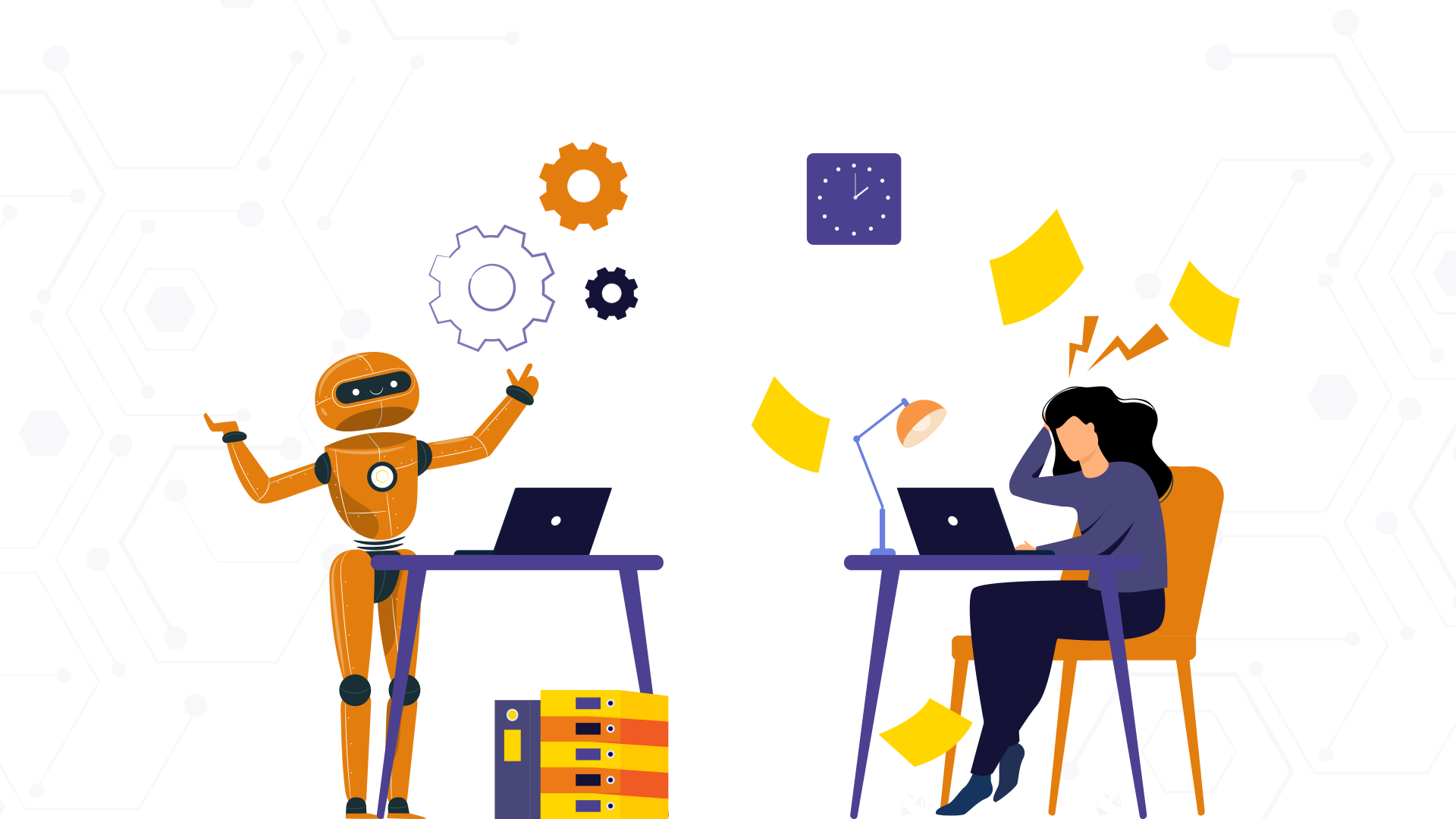



 English
  Español de México
  Español