
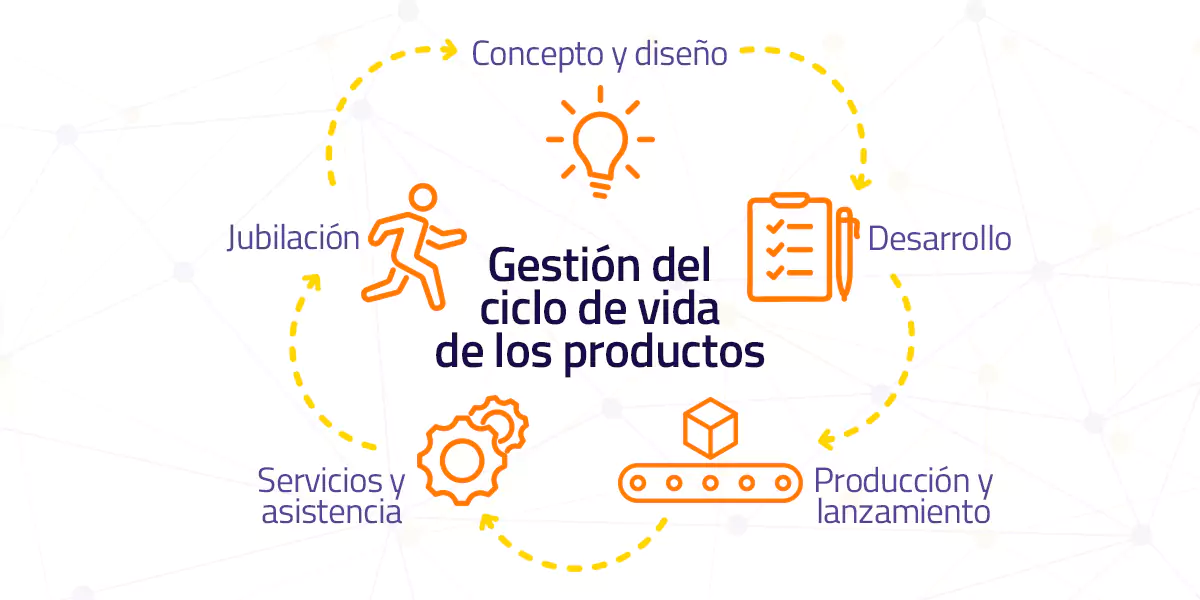
SAP PLM is a comprehensive solution that goes beyond simple product data administration, encompassing everything from conceptualization to product retirement. At Xamai, we present all the key benefits of SAP PLM, and how it plays a crucial role in optimizing processes, interdepartmental collaboration, and strategic decision-making for companies seeking to achieve new levels of efficiency and excellence in product development.
SAP PLM or Product Lifecycle Management
SAP PLM, an acronym for Product Lifecycle Management in English, refers to a comprehensive product lifecycle management solution.
This platform provides tools and functionalities to monitor and optimize all stages of a product's lifecycle, from conception and design to manufacturing, service, and disposal.
SAP PLM integrates key data and processes throughout the organization, enabling companies to efficiently manage information related to products, collaborate in real time, and make informed decisions.
By facilitating communication between the different departments involved in the development and maintenance of products, SAP PLM contributes to improving operational efficiency and product quality, driving innovation and competitiveness in the market.
How does a PLM system work?
We will explain below how the PLM system works and the solutions it offers.
- Initial Data Capture:
The development of a new product begins with the conception of ideas, which can arise both internally and through customer feedback or market trend analysis.
Once an idea is selected, the initial documentation is created, where the essential requirements and specifications of the product are collected and detailed. This step is crucial for establishing a solid foundation that will guide the development process. - Design and Development:
In the collaborative design process, multidisciplinary teams work together to create the product, capturing and storing the information generated in the PLM system.
This system, in turn, is responsible for managing various versions of the designs and the corresponding documentation, facilitating precise tracking of changes made throughout the project's development. - Data Management:
In a centralized storage system, all data linked to the product is concentrated, such as CAD models, design documents, drawings, and specifications.
Additionally, access control is implemented through the assignment of permissions, thus regulating who has the ability to access and modify the stored information. - Collaboration and Communication:
Real-time collaboration facilitates interaction between geographically dispersed teams, enabling instant review and comments. Furthermore, the platform promotes efficient communication, both internally among organization members and externally with partners, suppliers, and customers. - Change Management:
Change Control is responsible for registering and managing alterations to the product design or requirements, while Audit Tracking has the function of maintaining a comprehensive record of all modifications made, offering a detailed trail for audit processes. - Business Process Management:
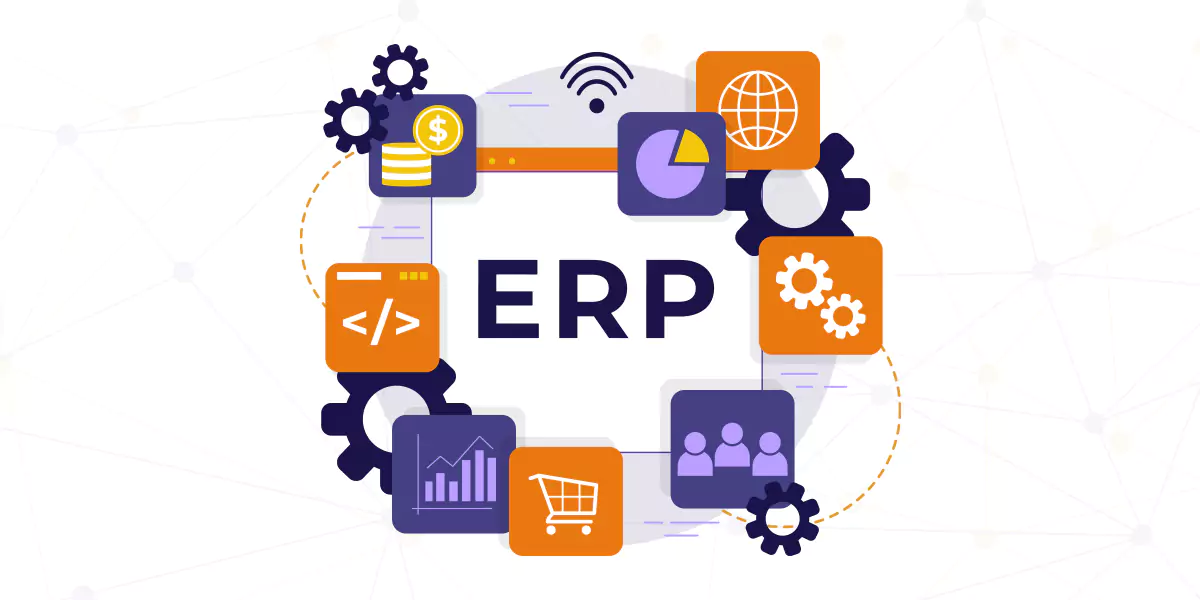
Automated workflow streamlines business processes related to product development, encompassing approvals, reviews, and releases. It also offers integration with other business systems, such as ERP (Enterprise Resource Planning) systems, improving overall company management efficiency. - Project Management:
Helps in planning and tracking projects, ensuring deadlines are met and problems are resolved promptly. - Manufacturing and Quality:
The Transition to Production facilitates the move from design to the production phase, while Quality Management contributes to maintaining quality standards through monitoring and controlling manufacturing processes. - Post-Sales Support and Market Withdrawal:
Includes management of post-sales issues, product updates, and eventual market withdrawal. - Analysis and Reporting:
Data analysis facilitates the evaluation of various aspects, such as product performance and costs, by providing specialized tools. Furthermore, the generation of customized reports allows for a detailed assessment of effectiveness and efficiency throughout the product lifecycle.
A PLM system helps organizations efficiently manage all information and processes related to product development and lifecycle, from conception to market withdrawal.
Streamlines the execution of your engineering processes
SAP PLM streamlines the execution of engineering processes primarily due to its comprehensive ability to manage the entire product lifecycle.
This solution centralizes product-related data and information, from conception to withdrawal, which reduces redundancy and improves efficiency.
It enables more effective collaboration between engineering teams by providing a single environment for sharing data and documents. Workflow and process automation within SAP PLM optimizes routine tasks, accelerates decision-making, and reduces development times.
Furthermore, with advanced analytical functionalities, it facilitates the analysis of data related to product performance and costs, contributing to more informed and rapid decision-making.
Plan your projects and control their execution
En cuanto a la planificación y control de proyectos, SAP PLM ofrece herramientas específicas que permiten una gestión eficiente.
Primero, el sistema facilita la creación y gestión de estructuras de proyecto, desglosando las tareas en fases y actividades claramente definidas. Esto proporciona una visión estructurada de los proyectos, ayudando en la planificación y asignación de recursos.
De igual manera, facilita la colaboración entre equipos, permitiendo la asignación de roles y responsabilidades, así como la gestión de plazos y hitos del proyecto. La comunicación efectiva se mejora a través de la centralización de la información del proyecto, lo que minimiza la posibilidad de errores y malentendidos.
Además, la solución brinda herramientas para el seguimiento en tiempo real del progreso del proyecto. Los indicadores clave de rendimiento (KPIs) se pueden configurar y monitorizar para evaluar la eficiencia y tomar decisiones informadas. Esto ayuda a identificar posibles desviaciones del plan original y permite realizar ajustes en consecuencia.
SAP PLM contribuye a la planificación y control efectivos de proyectos al proporcionar una plataforma integrada que abarca desde la estructuración y asignación de tareas hasta el seguimiento en tiempo real, mejorando así la eficiencia y el éxito en la ejecución de proyectos relacionados con el ciclo de vida del producto.
Un ejemplo de la capacidad de SAP PLM
Imagina una empresa automotriz que utiliza SAP PLM para desarrollar un nuevo modelo de automóvil. Desde la concepción, los equipos de diseño y marketing colaboran en la plataforma para generar ideas que le gusten al cliente, evaluar tendencias del mercado y establecer requisitos.
Durante la fase de diseño, los ingenieros utilizan SAP PLM para crear prototipos virtuales, gestionar documentos y coordinar actividades globalmente. La gestión de cambios se simplifica, permitiendo ajustes ágiles en el diseño con notificaciones automáticas a todas las partes interesadas.
A medida que el vehículo avanza hacia la producción, SAP PLM facilita la transición al equipo de fabricación al generar listas de materiales y gestionar órdenes de trabajo en el sistema ERP integrado. Durante la vida útil del automóvil, la plataforma sigue siendo vital para el seguimiento del rendimiento, la gestión de actualizaciones y la recopilación de datos de mantenimiento.
Las opciones que ofrece Xamai para implementar SAP PLM en tu empresa
Como expertos, en Xamai no solo dominamos la tecnología SAP PLM, sino que también comprendemos los desafíos específicos de tu industria. Nuestro enfoque consultivo personalizado garantiza una alineación perfecta entre la solución SAP PLM y tus objetivos comerciales, maximizando así los beneficios que esta plataforma ofrece.
Desde la planificación inicial hasta la implementación y el soporte continuo, en Xamai nos posicionamos como un socio estratégico confiable que agrega un valor significativo a través de su experiencia y compromiso a largo plazo.
Xamai se erige siempre como la opción ideal para guiar a tu empresa hacia el éxito en la gestión integral del ciclo de vida del producto con SAP PLM.
Ready to talk to SAP specialists?
Tell us what your company needs and we'll help you find the best path.
Request information





 English
  Español de México
  Español