

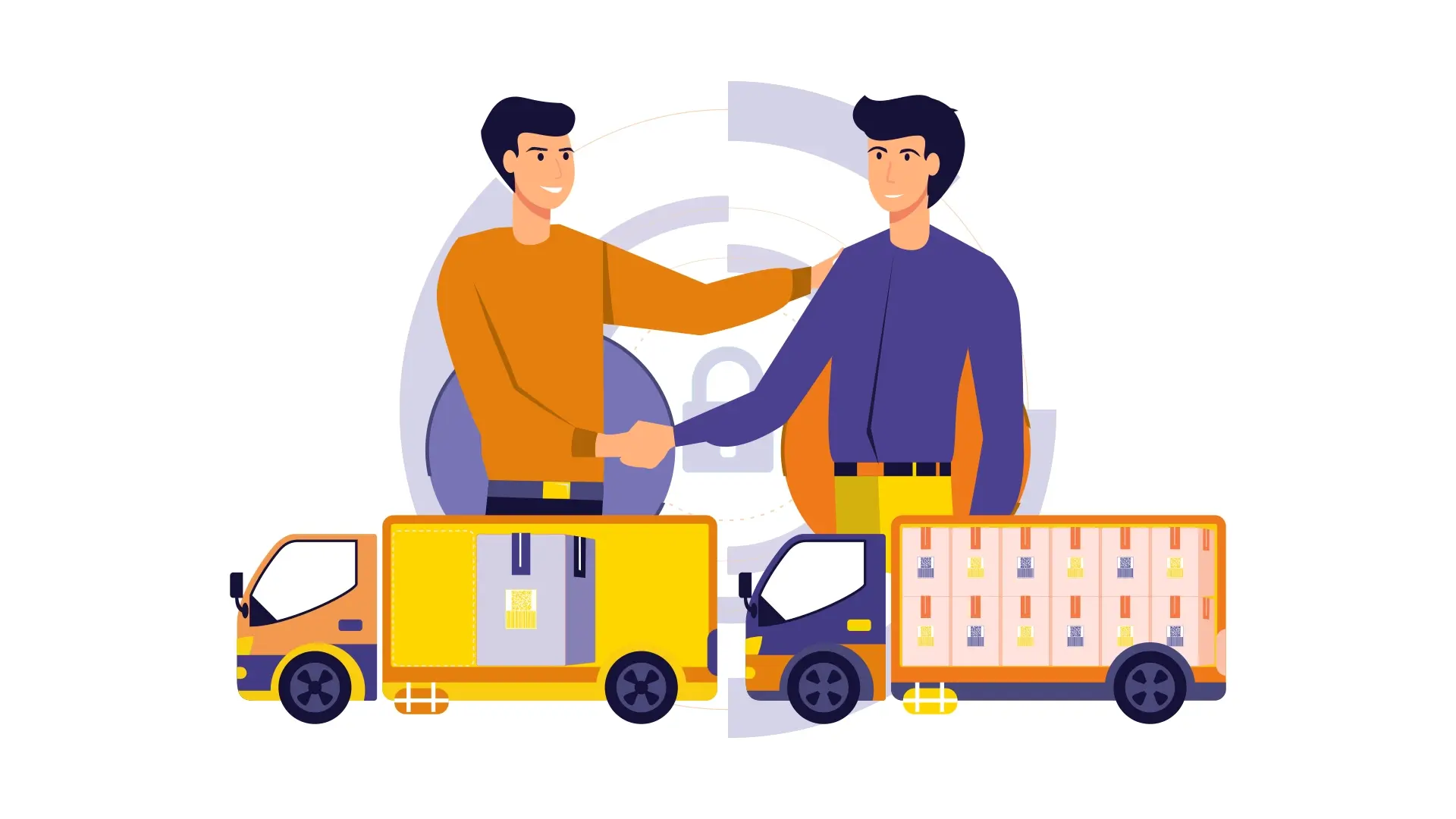
We give you effective strategies to improve supply chain security and protect your business.
If you are an entrepreneur, you know that security in the supply chain is not an option, it is a determining factor that can define the continuity of your business and the reputation of any company.
Having interruptions, security incidents or any vulnerability is practically inevitable and are situations that can appear at any point: from the entry of raw materials to the final delivery of products. It is necessary to understand the way in which you can protect each link for total security in the supply chain.
When we talk about supply chain security, we mean several practices, standards and measures that seek to reduce risks, avoid threats and guarantee the protection of goods, data, facilities, suppliers and operations.
It's where organizations need a clear vision and support in technologies such as artificial intelligence, cybersecurity, and platforms like SAP.
Why is supply chain security so important?
A supply chain may seem stable, but any vulnerability can lead to costly damage for a business. Remember that companies are not only competing on price or quality; they also need to maintain secure and reliable operations.
When there are situations like loss of goods, attacks on systems, threats to intellectual property, or lack of transparency and tracking, it will surely affect everything from production to sales, and modern logistics connects multiple partners and services, which amplifies the risk if a single part of the chain fails.
Standards that help ensure security in the chain
It is important to mention that there are international standards that provide structure. The most well-known is ISO 28000, which establishes requirements for implementing a security management system in the chain.
ISO 28000 helps organizations identify risks, assess vulnerabilities, and apply concrete security measures in their processes, facilities, infrastructure, transportation, and distribution.
Having standards like this allows companies to have greater control over their goods, containers, devices, and access. It also helps demonstrate compliance to customers and partners, something that is increasingly valued in service, supply, and distribution contracts.
Strategies you can apply to raise the level of protection
Strengthening security in your company's chain is not so complicated; however, it requires clarity and consistency.
Here are some strategies that any organization can apply to improve its processes and avoid interruptions:
1. Complete mapping of risks and vulnerable situations.
The first step is to identify where the weak points are, which involves an analysis of suppliers, facilities, internal systems, transportation, routes, warehouses, devices, and even everyday practices such as email use.
A good risk management program considers both the acquisition of raw materials, production, storage, distribution, and delivery. Remember, the more visible the chain is, the easier it will be to anticipate threats.
2. Clear controls and standardized procedures
Security measures should be documented and easy to follow. This includes protocols for handling goods, access to facilities, protection of intellectual property, incident response, supplier verification, and use of technologies.
Organizations that implement standards like ISO can achieve a level of order that facilitates smooth operation and compliance with customer and regulator requirements.
3. Technology to reinforce each link
This is where tools and systems make the difference. Artificial intelligence, management systems, and specialized software allow you to monitor inventories, processes, deliveries, and sales in real time. They also help detect anomalies and prevent interruptions before they occur.
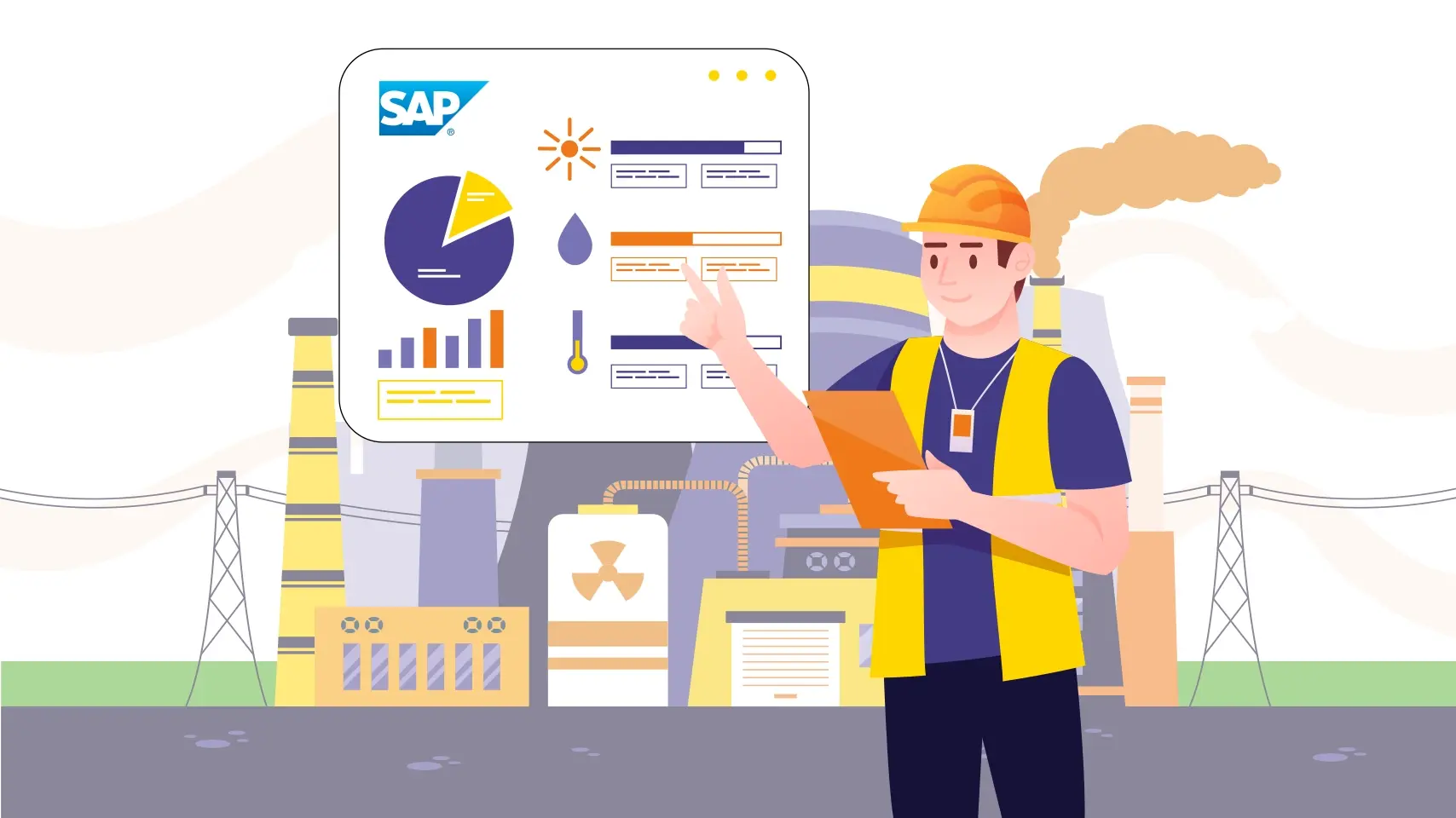
With SAP, it is possible to integrate data from logistics, production, and suppliers, allowing companies to make faster decisions and act when a risk appears. Technology becomes a key ally to ensure security in complex chains.
4. Constant verification of suppliers and partners
Security is too important, and every supplier and partner must meet similar standards to protect the entire chain. This includes audits, reviews, access controls, procedure validation, and performance evaluation.
A single supplier with poor management or weak infrastructure can compromise the entire operation.
5. Continuous training of personnel
It's not enough to have good tools if the staff doesn't know how to use them or is unaware of security measures. Training should cover topics such as threat identification, protection of goods, basic cybersecurity, proper use of systems, and incident response.
Day-to-day practices are what truly guarantee security.
Building more secure chains from within
Security in the supply chain should be a strategy that influences the entire operation, and it is well known that companies that invest in clear processes, reliable technology, and robust management systems are better prepared to face threats, protect their goods, and maintain business continuity even in contexts of high uncertainty.
And although risks will not disappear, a well-protected supply chain can absorb disruptions, adapt, and continue operating.
Let's remember that security is a competitive advantage that strengthens trust, improves reputation, and ensures that each product reaches its destination as it should.
Ready to talk to SAP specialists?
Tell us what your company needs and we'll help you find the best path.
Request information




 English
  Español de México
  Español