

Discover how a financial ERP can improve your accounting and economic management. Optimize processes and make more informed decisions.
We are globally experiencing economic uncertainty, where many companies know they must act responsibly and strategically to avoid jeopardizing their stability and growth.
Technology provides advantages, because it is a very good tool where you can control some financial variables, which is why it is very important to invest in an ERP system.
Contrary to what many think, an ERP is not limited solely to the accounting area of an organization because it integrates information from all areas of the company, such as operations, sales, purchases, inventories, human resources, and, of course, finance.
However, we know that the finance area is one of the biggest concerns of investors, so we are going to delve a little more into how the ERP can help you improve decision-making regarding money, accounts receivable, administration, and everything related to the responsible management of finances.
What is a financial ERP?
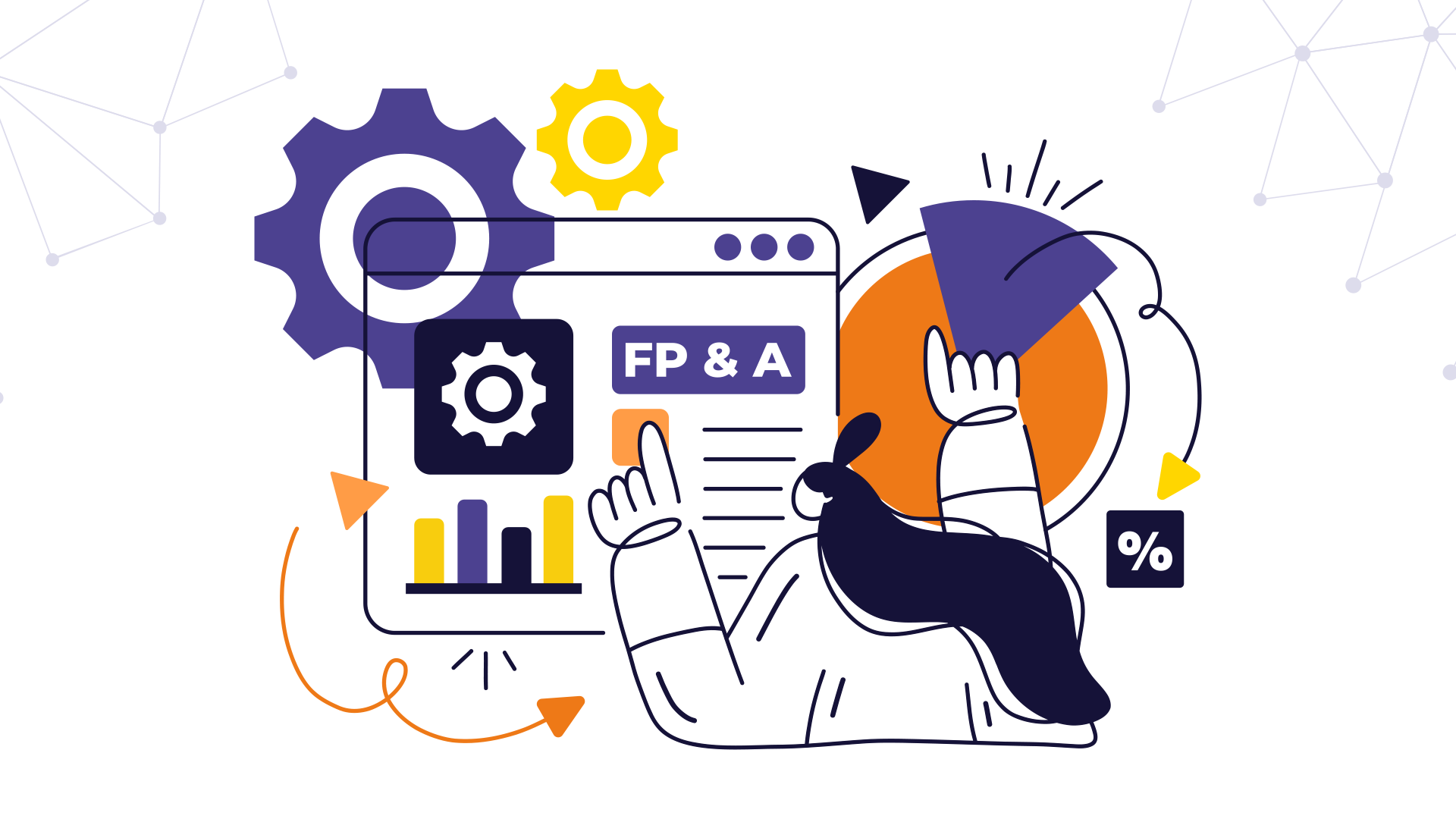
A financial ERP (Enterprise Resource Planning) or Enterprise Resource Planning ERP is a system for planning what your company has. Its function is to focus on automating, integrating, and optimizing all the financial processes of a business.
It is very different from accounting software that we commonly see in a business because it acts globally with all the modules of the company and works with that information: accounts payable, accounts receivable, invoicing, asset management, budgets, treasury, cash flow, and more.
When a company has an ERP, data stops being recorded individually in spreadsheets or isolated platforms, they will be integrated in such a way that you can have a broad view of the company's issues with the generation of complete reports and with projections for the future.
How does a financial ERP work?
Let's start from the information that every ERP has a central database that will be fed by all the interconnected modules. These modules can have automated tasks such as:
- Record and tracking of transactions.
- Control of expenses and income.
- Financial report preparation.
- Budget and forecasting management.
- Integration with banks and payment platforms.
- Real-time financial performance monitoring.
And it's how a financial ERP provides accurate and up-to-date information, reduces human errors, and always provides reliable data.
Why do companies hire an ERP due to financial problems?
One of the main reasons companies seek to implement a financial ERP is because they have already experienced negative consequences from poor economic management, having situations such as:
- Lack of true control over expenses and income.
- Difficulties in generating reports for audits or for their own investors.
- Duplicated information between departments.
- Delays in invoicing and collections.
- Loss of time in manual and repetitive tasks.
When all these problems arise, that's when a company invests in a financial ERP, and it's certainly not necessary to have internal problems and a lack of control over your money to take action. A financial ERP should not be a response to internal crises!
If you are reading this article, we want to tell you that at Xamai we recommend an early implementation, as it radically transforms the financial landscape of a company and includes helping you to have benefits above the competition.
Advantages of implementing a financial ERP
When you have a well-implemented and fully functioning financial ERP, you will have very important advantages such as:
- Improved financial management by centralizing all data.
- Automation of operational tasks to free up team time.
- Real-time analysis with dashboards and dynamic reports.
- Improved tax and regulatory compliance.
- Risk and accounting error reduction.
- Support in strategic planning.
We assure you that it will also improve communication between areas such as human resources, inventory, supply chain, and manufacturing, generating a more integrated and efficient operation.
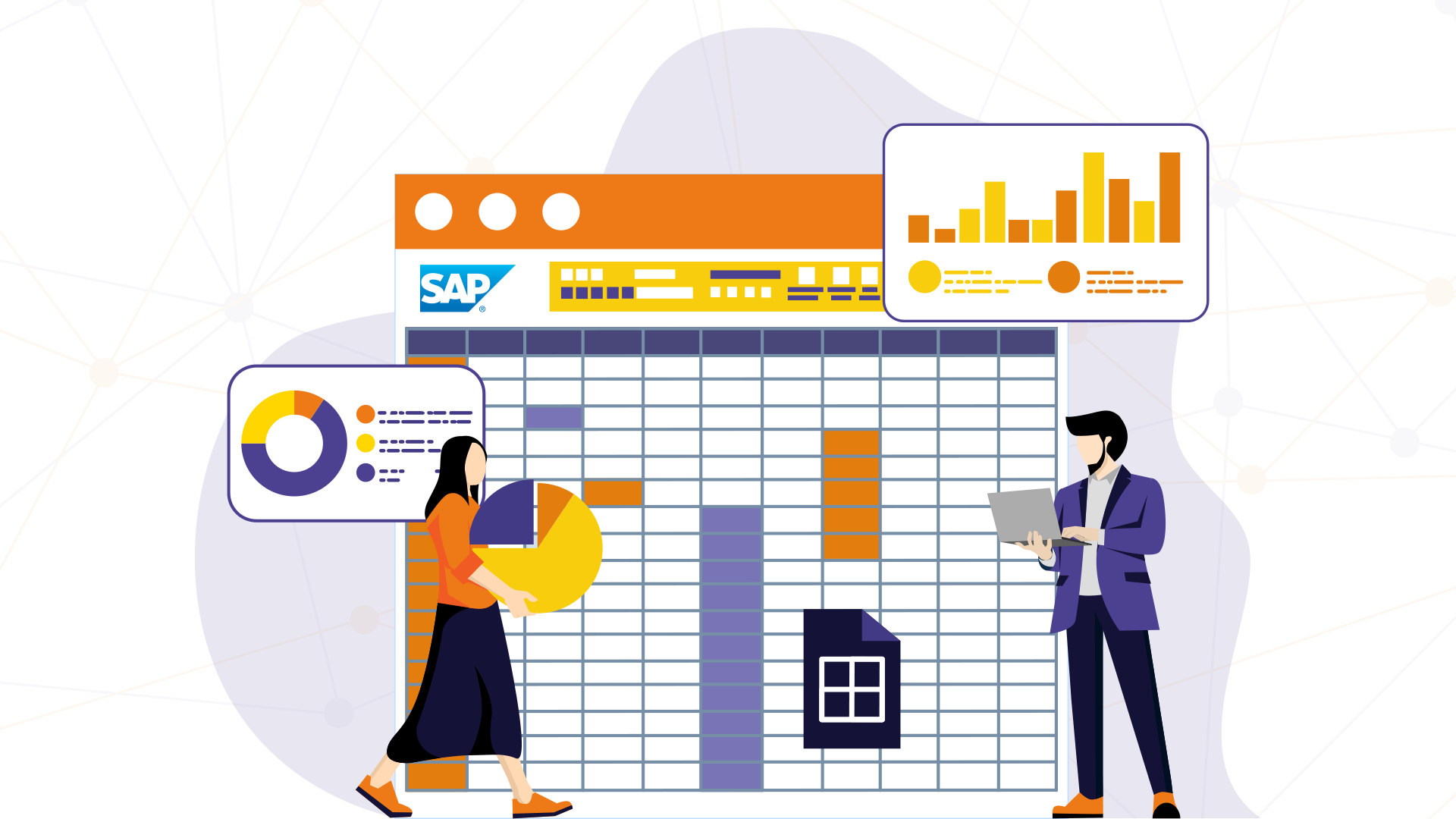
Products we recommend at XAMAI: Conta-e and Factur-e from SAP.
There are various financial ERPs and SAP addOns on the market that were designed specifically for companies in Mexico, such as Conta-e and Factur-e, which are two options developed with SAP technology.

Conta -E
Conta-e helps you keep good electronic accounting and comply with what the SAT stipulates regarding accounting processes, and it also helps you have a better, clear, and orderly view of your business accounting, with automatic journal entry generation, bank reconciliations, and direct connection to the SAT.
When you have it implemented, you will have fewer human errors, avoid fines, and save time in accounting management.

Factur-e
On the other hand, Factur-e specializes in electronic invoicing, which is very important in our country at this time, as the SAT is reviewing every detail of a CFDI issued and received.
Factur-e offers massive CFDI issuance, integration with other SAP systems, real-time stamping, and total control of the flow of tax documents. This solution is ideal for organizations that need to comply with everything related to invoicing but lose operational agility.
Both solutions are designed to integrate as modules within SAP, which facilitates their growth and adaptation according to the needs of the business.
The importance of reports and financial intelligence in your company.
An ERP will allow you better financial intelligence and have at your disposal analysis, financial reports, and dashboards of your company.
As an executive, you will have a clear view of the status of capital, profitability, return per business unit, among other important indicators. When you have a financial ERP, you will even have the option of incorporating technologies such as machine learning and artificial intelligence to detect patterns, predict scenarios, and propose recommendations.
It's a step ahead of your competitors because you can have behavior predictions based on historical data. An advantage for your business!
How can you have a successful implementation?
You need to have tools within an ERP that help you improve finances, and it may not be an easy task, but you always need an action plan and adequate professional support. You need:
- Perform a diagnosis of the current financial and operational status.
- Choose an ERP system that is compatible with the industry, size, and complexity of your company.
- Align internal teams and train personnel to have better control.
- Having a specialized and reliable provider that offers support at all times, like Xamai, is essential.
- Design a clear data migration strategy.
The ultimate goal is for the ERP to become a continuous support platform, not a burden for the team.
Financial ERP: a strategic tool for growing companies.
Although it is often thought that an ERP is exclusive for large corporations, the truth is that there are solutions designed specifically for companies that are starting to grow at accelerated rates.
With more accessible versions, quick to implement, and with scalable functions according to growth needs.
In this regard, SAP also offers versions adapted to the small and medium-sized enterprise segment, with functionalities that cover everything from financial management to invoicing, human resources, inventory, and more.
Having an ERP system from early stages not only solves current problems, but also prepares the organization for future challenges.
Beyond financial control.
A financial ERP not only improves money management; it completely transforms the way companies understand and manage their operations. By centralizing information, automating processes, and providing real-time analysis, these platforms become strategic allies to boost profitability, order, and business sustainability.
Whether your organization is facing financial problems or looking for a better way to grow, an ERP can be the smartest step.
With solutions like Conta-e and Factur-e, backed by the strength of SAP, it is possible to modernize financial management without losing focus on what is most important: making decisions based on reliable data and generating concrete results.
Implementing an ERP is not just a technological issue, but a true transformation of the work model and the future of the company.
Ready to talk to SAP specialists?
Tell us what your company needs and we'll help you find the best path.
Request information


 English
  Español de México
  Español