
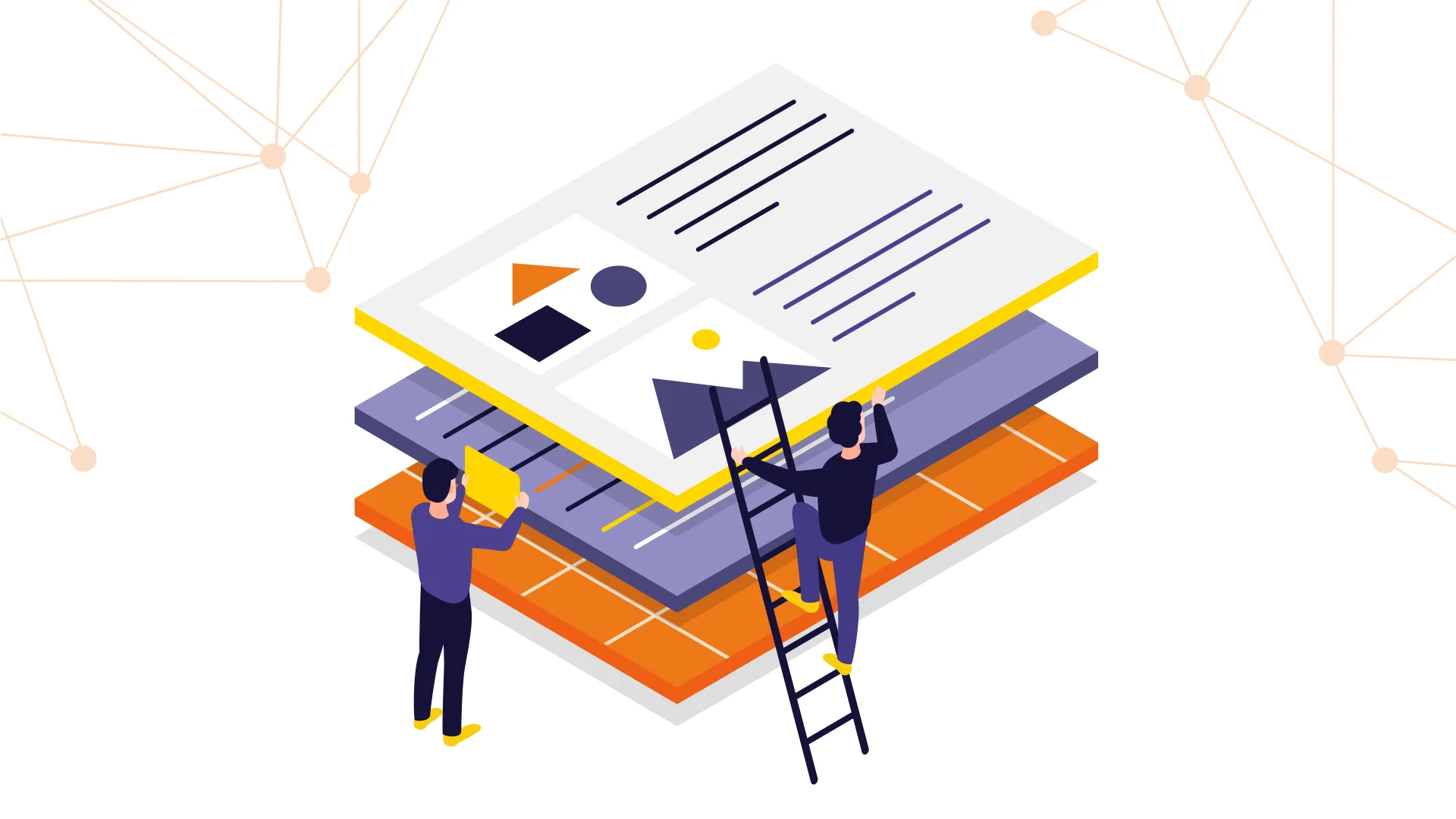
Discover the most effective business applications to optimize your business in 2025. Improve your productivity.
Enterprise applications are programs, also called enterprise application solutions (EAS), that were designed to facilitate and improve business processes within an organization and are nothing more than tools that help companies to better organize their processes, coordinate their employees, analyze data, automate tasks, among others.
But be careful!, you shouldn't confuse them with simple apps that you download on your mobile phone, they are actually much more complex tools that connect to platforms (some based on the cloud) and with integrated functions such as accounting, payroll, inventory, human resources management, production, customer service and more.
What is the difference between an app and an enterprise system?
A common doubt that our clients have at Xamai is whether an enterprise application is the same as a system and the answer is: not exactly.
An app is usually a specific, lighter solution focused on a specific function. For example, a document scanning app, or one for managing meetings. On the other hand, an enterprise system is a whole set of integrated applications that work together to cover different areas of a company.
Think of an ERP (enterprise resource planning), a CRM (customer relationship management) or a human resources management system.
Both types of technology are necessary, but while individual apps are like hand tools, enterprise systems are like a Swiss Army knife: a single platform that allows you to handle several tasks in a coordinated manner.
Why are they so important in 2025?
We are at a time when companies must act with great immediacy in a rapidly changing environment, we have digitalization, hybrid work, consumer demands, the volume of data, and the speed at which decisions are made is very important with technology that allows adaptation.
Enterprise applications are a key point to help companies improve operations and collaboration between teams and also better serve their customers.
In other words, they are a response to the specific needs of each modern business, allowing the optimization of their operations.
Features of enterprise applications
These are some of the functions and capabilities that the best enterprise applications usually have:
- Automation of repetitive tasks such as document registration, sending emails or managing payments can be performed without human intervention.
- They allow you to work from any device with internet connection and not just with intranet as in the past.
- Through APIs, they connect with storage, accounting, logistics and more platforms achieving a good connection.
- They generate reports of analyzed data, to understand the performance of the business and make more informed decisions.
- They protect sensitive information and provide greater security.
- They grow with your company, without needing to change platforms every year, which represents a saving for the company.
Most important business applications in 2025
Below, we show you some of the most used business applications at this time by large companies and growing companies:
-
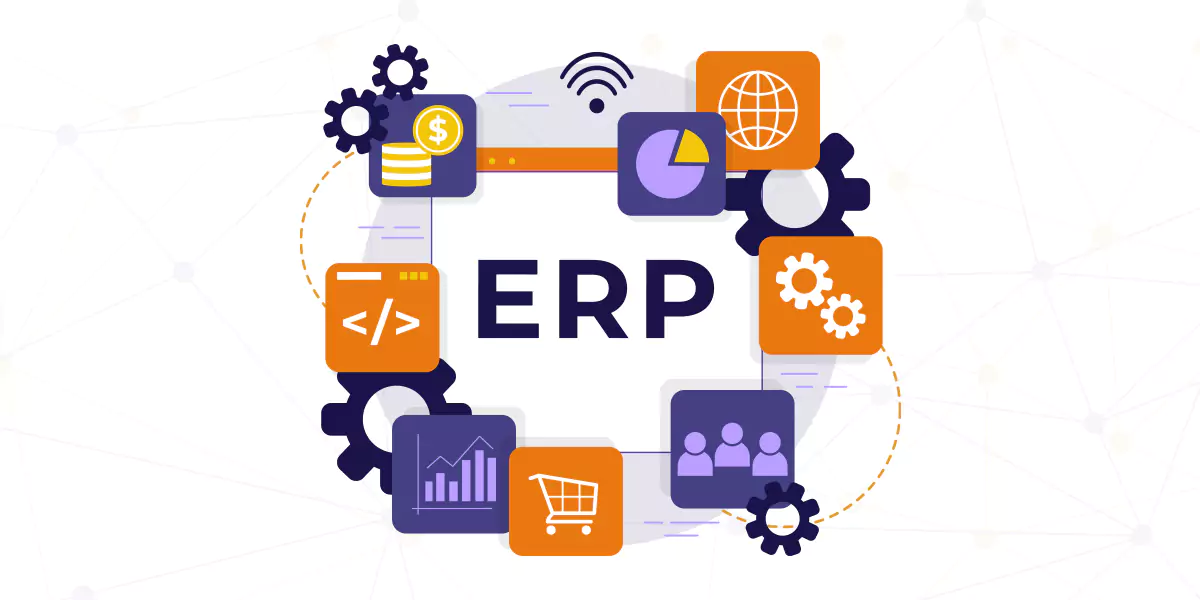
ERP (Enterprise Resource Planning)
It is one of the most complete systems, since it centralizes areas such as finance, purchasing, production, inventory and human resources in a single platform. Examples: SAP Business One, SAP S/4HANA Cloud, Oracle NetSuite, among others.
These systems allow a clear view of the entire company and help with planning, tracking and control of operations. In addition, their automation minimizes errors and facilitates resource allocation. -
CRM (Customer Relationship Management)
These programs are focused on improving relationships with customers, tracking sales opportunities, coordinating campaigns and offering better customer service. Examples: Salesforce, Zoho CRM, HubSpot.
Their value lies in allowing more strategic customer management, based on data and behaviors. This improves the consumer experience and contributes to profitability. -
Talent management platforms (HRM)
Applications focused on human resources management are key for hiring, payroll, performance evaluation, employee onboarding and training. Examples: SAP SuccessFactors, Workday, BambooHR, Human Site
These tools help improve the work environment, reduce administrative burden and support talent retention. -
Collaboration and communication software
Business applications such as Microsoft Teams, Slack or Google Workspace allow communication, document sharing, task coordination and meetings between different departments, even in companies with remote work.
Their impact on productivity and team spirit is key to keeping operations flowing. -
Supply chain solutions
Tools such as SAP Integrated Business Planning or Oracle SCM Cloud allow you to plan, monitor and optimize the supply chain, from the acquisition of raw materials to the distribution of products.
These solutions improve logistics, reduce overload, avoid delays and increase customer satisfaction.
Benefits of using business applications
Implementing this type of solution generates multiple benefits at different levels:
- Increased team productivity.
- Process optimization with less friction.
- Reduction of operational and administrative costs.
- More agile decision-making with better results.
- Smooth collaboration between departments.
- Adaptability to new needs or growth.
- Guaranteed regulatory compliance.
- Greater business visibility in real time.
In summary, they allow you to achieve a more organized, efficient, and profitable company.
How to choose the best applications for your business?
The choice will depend on the size of your company, the sector in which you operate, and your objectives. Here are some key points:
- Evaluate your specific needs: Are you looking to control your inventory? Improve customer service? Automate administrative tasks?
- Think about scalability: the solution should grow with your business.
- Consider integration: make sure it can connect with other tools or systems via API.
- Look at the user experience: the interface should be clear, fast, and easy to use for all users.
- Bet on the cloud: cloud computing allows flexibility, accessibility, and savings on infrastructure.
- Consult with specialized providers: a good implementation often makes the difference between success and failure.
2025 Trends
This year, there are three technological trends that are shaping the direction of business applications:
- Artificial Intelligence and machine learning
AI enables automation of workflows, predictive data analysis, intelligent recommendations, and reduction of manual workload. Companies that integrate AI are achieving a significant competitive advantage. - Data-driven interface in real time
The new generation of software allows for decision-making based on live information. This improves adaptability and responsiveness to changes. - Modular platforms with a user focus
Solutions are no longer monolithic. Now you can build your business ecosystem according to your requirements, adding modules or programs when you need them, without heavy migrations.
The key to a smarter business
By 2025, enterprise applications are no longer a luxury: they are a necessity and increase a company's chance of success. Their role is fundamental for companies to achieve growth, adapt to changes, reduce operational overload, and improve profitability.
Investing in the right tools means making daily work easier, boosting productivity, and generating more solid results. They also allow you to better respond to customer demands, align with regulations, and take control of business processes with more intelligence.
So, if you're thinking about how to take your business to the next level, start here: analyze, select, and implement the enterprise applications that truly align with your goals.
Ready to talk to SAP specialists?
Tell us what your company needs and we'll help you find the best path.
Request information

 English
  Español de México
  Español