
Discover 8 technological tools for the digital transformation of your business. Technologies for digitalization that are within your reach.
You should know that digital transformation has ceased to be an option and has become a necessity for all types of businesses, including small and medium-sized enterprises.
Organizations that invest in digitalization not only improve their efficiency, but also prepare to compete with the accelerated growth of technologies in favor of their competitors.
But where to start? In this article, we share eight technologies that are within your company's reach and that can make a big difference in your processes, decisions, and results, but first, we show you the benefits of company digitalization where you are investing your capital.
Benefits of Company Digitalization
1. Improve Collaboration
Digital transformation facilitates communication and collaboration. Digital platforms and cloud capabilities make it easier to connect members of different departments, even when they are not physically together. By sharing in the cloud, you reduce time-consuming processes, such as manual editing or sending and resending a document by email.
2. Collect Data and Gain New Insights
The benefits of digital transformation include access to advanced data tracking, and the more details are collected about customer behaviors and perceptions, the more you can personalize marketing approaches using data-driven information. By understanding customers better, it is easier to create content that matches their specific interests and patterns.
3. Optimize Processes and Operations
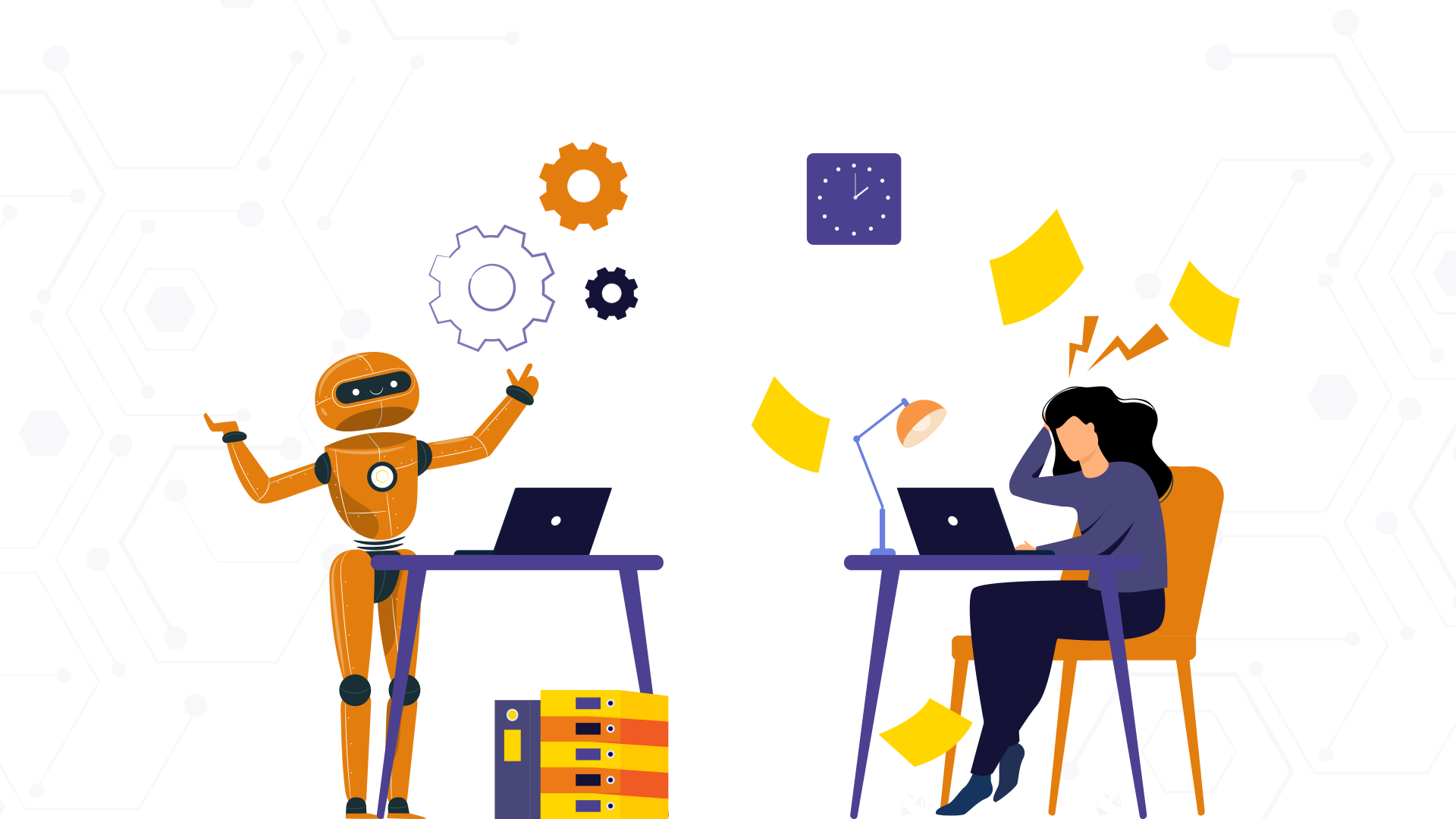
Digital methods allow you to eliminate manual tasks and streamline daily operations. Automation tools accelerate workflows, allowing your team to work more efficiently.
You can also use digital solutions to facilitate customer contact, reducing your company's dependence on manual communication methods. For example, you can install a chatbot function on your website or app.
4. Reduce the Risk of Human Error
By participating in digital transformation, the risk of human error is reduced in many areas; automated functions transfer data instantly to different locations, eliminating the risk of manual errors.
5. Create a High-Quality User Experience
As consumers become more accustomed to digital options, they seek fast delivery, low prices, and multiple purchasing options. Your team must offer selections that match current trends and go beyond standard techniques to remain competitive. It's not just about your website. Digital transformation often includes launching other platforms, such as mobile apps and social media pages, creating seamless multi-channel shopping experiences for customers.
8 Technological Tools for Company Digitalization
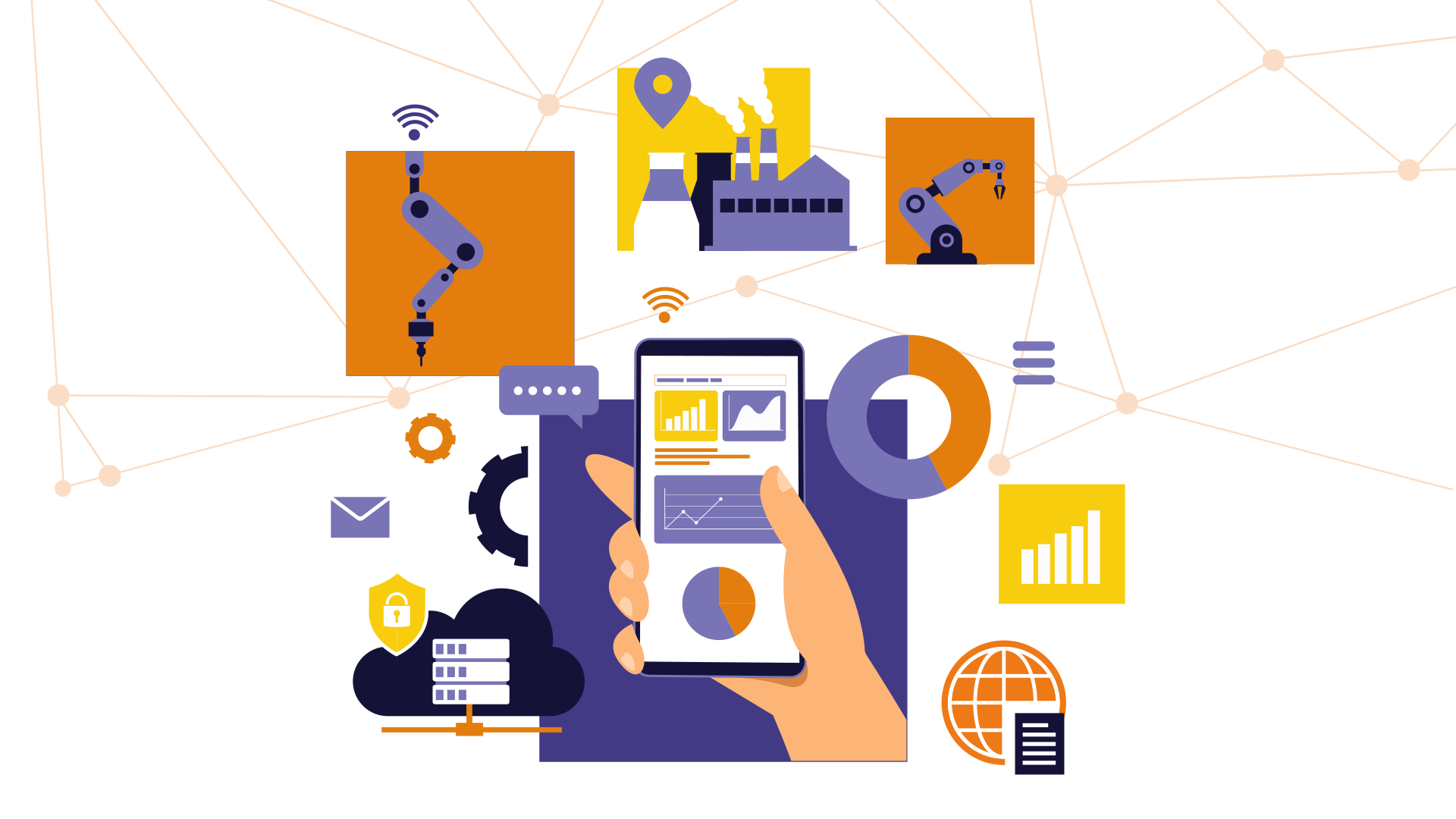
1. Mobile
Over the past two decades, the mobile phone has irrevocably changed the world we live in. From increased connectivity to powerful technologies, the impact of mobile communications is present in our daily lives.
In industrial and manufacturing companies, there are countless possibilities through mobile technologies, especially with the new possibilities offered by 5G. It's no surprise that 81% of CEOs consider mobile devices strategically important.
In many ways, mobile devices are a fundamental tool that enables other innovative technologies. For example, production employees use smartphones to display machine data in augmented reality (AR).
As cell phones become even more powerful with 5G, there will be a domino effect throughout the manufacturing industry and changes will become more prevalent. There will be improved connectivity for robotics and automation in factories and faster real-time analysis.
2.Implementation of cloud information
Manufacturing industries, particularly discrete and process-oriented companies, are reluctant to adopt the cloud as a solution to their management problems. The reasons for this hesitation are varied, from challenges in integrating with legacy systems to security concerns to ensure business continuity.
However, these concerns are fading with new advances in cloud technology and implementation.
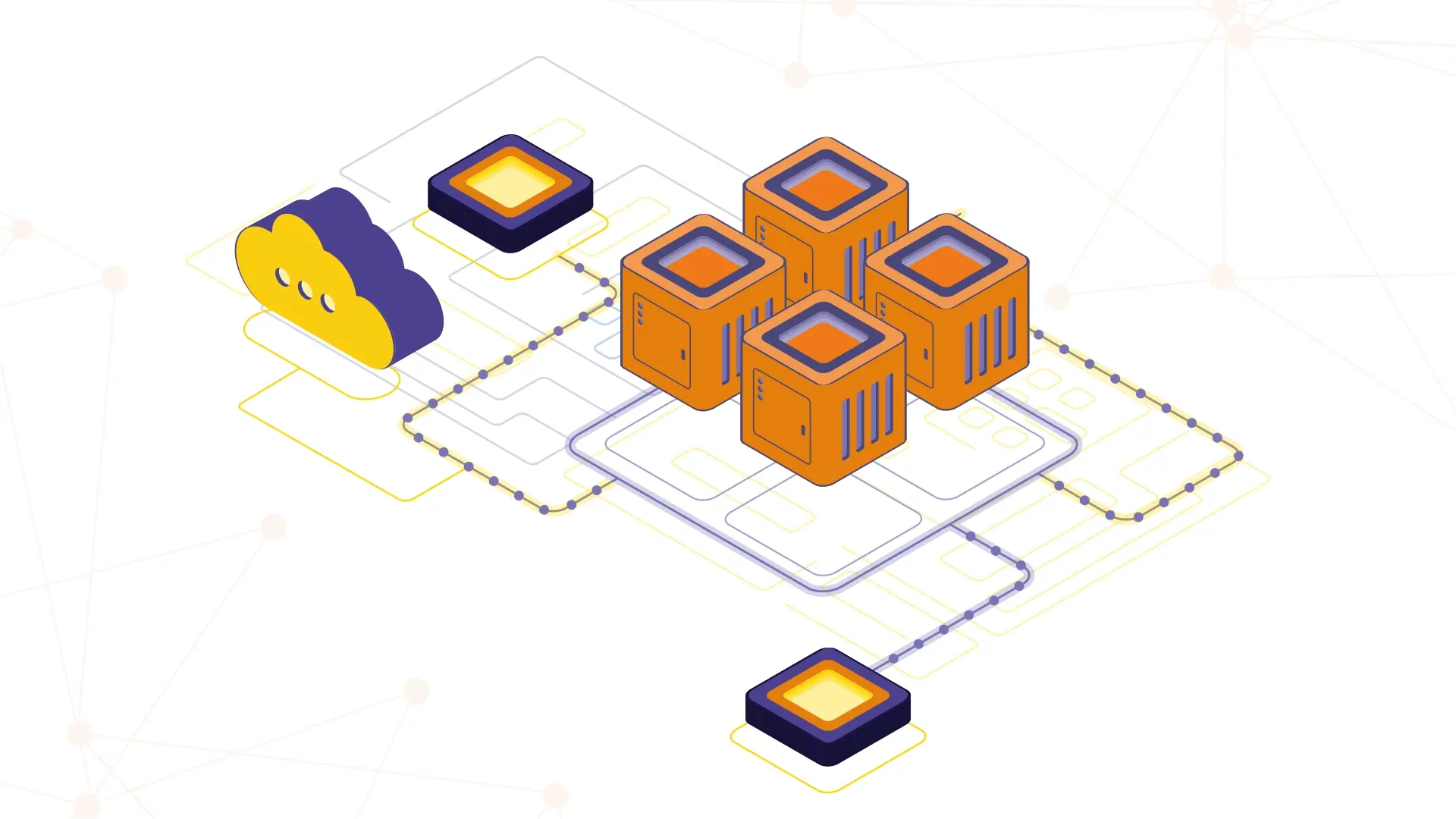
Leveraging the cloud is a key component of most digital transformation initiatives because it enables greater flexibility and agility across the enterprise, as well as faster scalability in many cases.
3. Internet of Things
For manufacturers, Internet of Things technology provides unprecedented transparency into products and processes. They use industrial IoT technology to gain a better understanding of their operations, both from a global and factory perspective.
With better IoT insights and analytics, manufacturers can achieve key digital transformation goals, such as: greater efficiency, flexibility to respond more quickly to market and customer demands, and innovation in their products and services.
4. Digital Twin
Digital twins play a key role in digital transformation. Digital twins are models that virtually represent their physical counterparts. They can represent products, documents, processes, or tasks and can be used to understand, and even predict, the physical counterpart.
With digital twins, companies have a clear visualization of their products or processes. As digital twins become more detailed, they can be adapted for different roles and applications within an organization and in this way they will become even more powerful (and meaningful) with the increasing adoption of IoT, augmented reality, and the digital thread through product lifecycle integration.
There are increasingly more use cases for the digital twin across the entire value chain of organizations: development, operation, as well as maintenance and service.
5. Robotics
Intelligent robotics are currently used much more commonly and are expected to increase in the coming years. The use of robotics goes beyond repetitive tasks and extends to more analytical activities with complementary technologies such as IoT, sensors, and artificial intelligence.
In terms of digital transformation, robotics plays a key role in increasing operational efficiency and freeing people up for higher-value tasks.
6. Artificial Intelligence and Machine Learning
Artificial intelligence (AI) is an emerging market: just in manufacturing, it is expected to grow 17 times in the next five years.
Fueled by the exponential growth of data and access to it, as well as computing power and connectivity, artificial intelligence is unlocking analytics and insights that were previously unavailable.
As a result, new ways of approaching and solving problems emerge, and solutions are found that would otherwise require hours of development work.
7. Augmented Reality (AR)
AR enables smoother connections between the physical, digital, and human worlds. It's about having a connection between the physical environment and leveraging the power of data and cloud analytics. This allows them to obtain real-time information in a very visual format to complete a task.
The benefits of AR in business include improved workforce productivity and quality, differentiated products and next-generation human-machine interfaces, knowledge transfer and training, and new services and customer support.
8. Additive Manufacturing
Additive manufacturing (sometimes called 3D printing) is the process of building an object in a layer-by-layer process.
As industrial companies seek efficiencies, additive manufacturing is impacting the entire value chain, not just manufacturing.
For example, when customers, or field workers, have the ability to "print" replacement parts for a machine, it provides more efficient and seamless customer service, reduces downtime, and lowers service costs.
How can you access these technologies if you are an SME in Spain?
If your company is in the process of digitalization and you are concerned about the investment involved in adopting new tools, the Kit Digital program may be an excellent opportunity. It is a program driven by the Spanish Government that offers financial aid for SMEs and self-employed individuals to implement digital solutions, such as management software, e-commerce, cybersecurity, or online presence.
Thanks to Kit Digital, many of the technologies we mentioned are within reach of more businesses, without budget being a barrier. The important thing is to have a digital agent who guides and accompanies you throughout the process.
And in Mexico? Options for digitalizing your company?
Although in Mexico there is no program identical to the Kit Digital in Spain for the digitalization of companies, there are several initiatives that help to promote the digital transformation of micro, small and medium-sized enterprises (SMEs), especially using government support and alliances with the private sector.
There are business models that offer tools, training, and support so that more businesses can have digitalization solutions.
For example, the Secretariat of Economy has launched programs such as the Alliance for the Digital Transformation of SMEs, where there are workshops on technology, digital commerce, and cybersecurity.
Also, initiatives like Strive Mexico, driven by Mastercard, are helping thousands of entrepreneurs to digitalize a company.
These programs do not always grant direct subsidies, but they do facilitate access to the knowledge and tools necessary to take the step towards a more modern, efficient, and competitive company.
In conclusion
The eight technologies presented may be the most common in digital transformation, but they are far from being the only ones, and that is something to keep in mind: achieving the success of digital transformation is not about implementing a single technology.
In fact, it is the surest way to stifle real change in an organization. Digitalization of a company involves the adoption of a series of digital technologies and processes to improve efficiency, productivity, and decision-making and to continue growing day by day.
Ready to talk to SAP specialists?
Tell us what your company needs and we'll help you find the best path.
Request information


 English
  Español de México
  Español