

In simple terms, master data are data that do not change over time. The information contained in the master data is always required for the same purpose.
This type of data stored in SAP R/3 is classified as:
- Basic master data types and
- Transaction data.
Master data is used as the basis for any transaction. If your company is involved in manufacturing, stock transfer, sales, purchases, physical inventory, whatever your activity, you need to maintain certain master data in SAP, whether in the SAP Business One database or any other SAP product.
Let's look at an example of master data within an organization:
- Basic material data
- Basic customer data
- Basic supplier data
- Basic pricing data
- Basic warehouse management data
Master data is considered part of a company's core data assets. Some companies even acquire them solely to access customer master data; this represents the creation of a successful SAP master data system.
SAP master data primarily fulfills the following characteristics:
- They have few changes in the records
- These are data that have long validity
- They can focus on data maintenance and correction.
- They are ready for corporate use
But what types of SAP master data exist? We have already given a general list previously, but below we will give you a description of the types of master data that are considered most important.
Types of master data that exist in SAP
- Material master data:
These contain data about the storage of material-specific data, such as material number, weight, size, and designation.
- Vendor master data:
These contain all vendor-specific data, such as name, address, type, payment terms, and contact person schedule.
- Customer master data:
These contain information such as the customer's name, address, phone number, bank details, and delivery conditions. It is a core part of all processes related to sales, as they revolve around this master data.
- Purchase order master data:
These are data that link material masters with vendor masters. This means that information is maintained here that only relates a material to a supplier, such as prices, conditions, and projected delivery time.
- Message master data:
These are data for communication with the customer by email, print, EDI, or fax. Common messages are order confirmations for customers, invoices, shipping confirmations, and shipping documents.
Are there other types of data in SAP?
If there are many types of master data in SAP. In fact, there is organizational data and transaction data. These data are clearly separated, but can be interdependent within a business process.
These are relevant data that every company should consider to improve its processes. Let's remember that a company is mapped in the system using organizational data.
The organizational data are:
- Company Code: It is an independent accounting system. All business events are executed through the company code.
- Plant: can be a manufacturing facility, a headquarters, or a storage facility.
- Warehouse: It is assigned directly to a center and allows differentiation of material stocks.
- Purchasing Organization: Company's purchases in the system.
- Purchasing Group: A team of employees who are responsible for an area. This area may be responsible for the acquisition of certain materials or services.
Last but not least, there is movement data. This data can be changed and generally only exists within a business process.
Some examples are:
- Order: folio number, quantity, order details, among other data.
- Invoice: folio number, amount, quantity, etc.
- Material: stock, material, storage location, etc.
Remember that all these types of data are interdependent.
An example to better understand what was written above:
If a department of the company needs material from the warehouse, internal logistics indicates that it must be delivered from the warehouse to the production location. This is how roles usually are.
This employee's order contains the material name and material number as master data. But it also includes the quantity required as a movement date. What does that mean? Well, that transaction data always relies on master data.
In simple terms: without master data, there are no transaction data. To exist, master data requires organizational data, which includes the warehouse and plant.
This results in the probability that the data will change. Since the organizational data reflects the real company,there is less likelihood that this data will be modified.
If the address or name of a business partner changes, this must be adjusted in the master data.Transaction data changes more frequently, as this only exists within a business process.
Hence the importance of having good master data management.
What are the main challenges of SAP master data management?
The IT systems of organizations are used by different business functions (e.g., the information system function, the communication function, the marketing function: product, brand, customer, packaging, etc., research and development, or even the sales function).
These systems necessarily share reference data (such as data: products, customers, suppliers, location, documents, financial reports for consolidated accounts, etc.).
The challenges of master data management for an organization are of 5 types:
- Ensuring and trusting these reference data consistently across all of its systems.
- Optimizing the operational efficiency of communications, marketing, and sales teams by making the data available.
- Maintaining quality control and consistency while providing more marketing materials and data.
- Managing large volumes of data and agility at an industrial scale.
- Having a data quality process enriched collaboratively thanks to validation flows.
Consider this when implementing an ERP system in relation to master data.
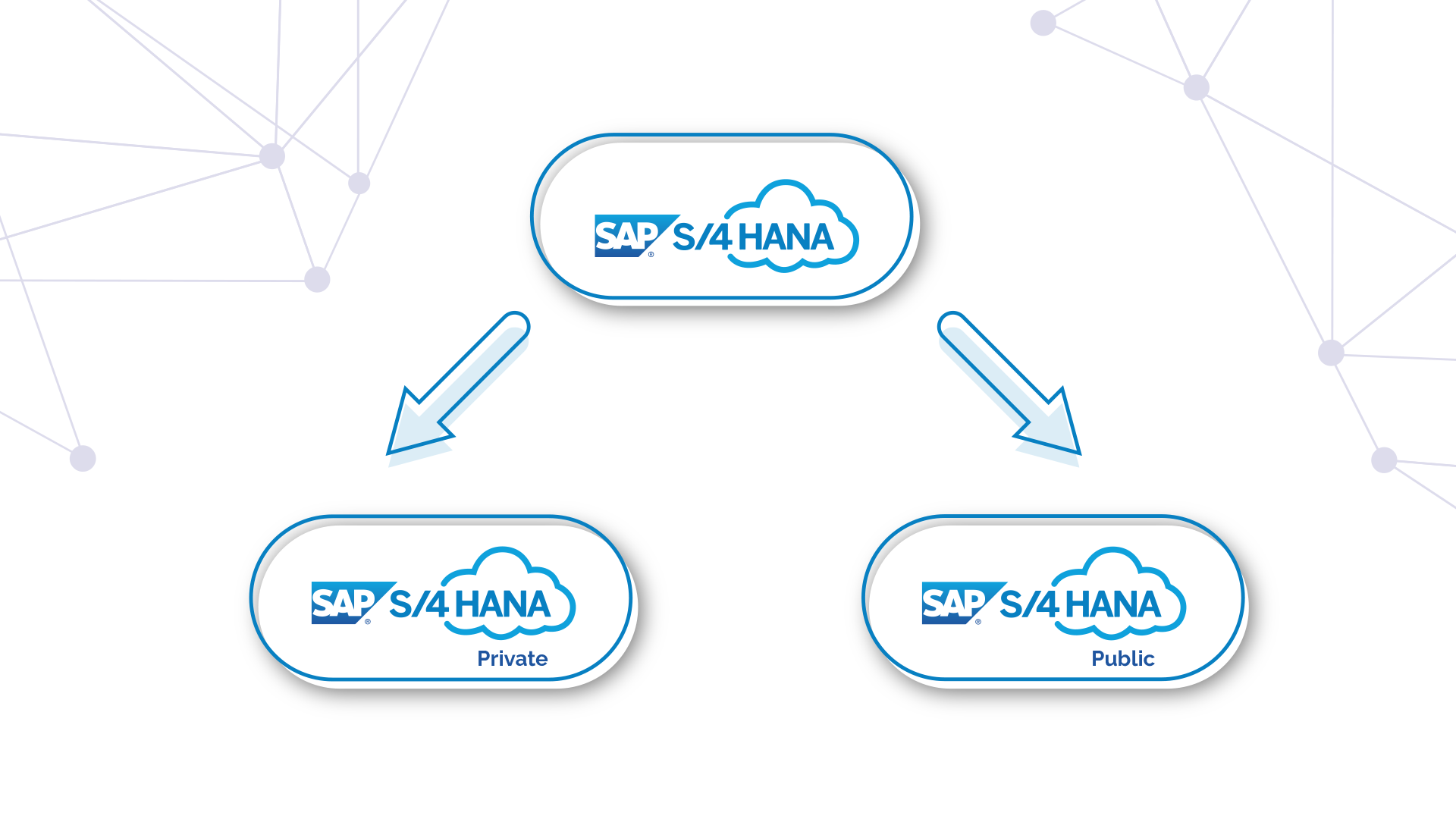
There are important points when introducing an ERP system such as “SAP S/4HANA” provided by SAP to a company. That is the maintenance of master data and managing information correctly.
The ERP system includes accounting and sales. Then, the information that can be used in multiple operations, such as inventory and production, is linked and managed centrally.
Sin embargo, si la coordinación entre los datos maestros no va bien, no es posible captar con precisión la situación. Esta vez, echemos un vistazo más de cerca a cuál es la situación.
Para este artículo nos centraremos en MM como parte de la gestión de datos maestros en SAP.
MM: ¿Qué debes saber sobre Material Master?
Los materiales en SAP son una presentación de determinados bienes o servicios que son objeto de producción, venta, compra, gestión de inventario, etc. Puede ser un automóvil, una pieza de automóvil, gasolina, un servicio de transporte o un servicio de consultoría, por ejemplo.
Toda la información sobre todos los materiales con respecto a sus posibles usos y características en SAP, se denomina base de material.
Estos se consideran los datos maestros más importantes en SAP (también hay datos maestros de clientes, datos maestros de los interlocutores comerciales, datos maestros de proveedores, datos maestros de condiciones/precios, etc.) y todo el procesamiento de materiales se ve afectado por el MM.
Por eso es extremadamente importante tener un maestro de materiales preciso y bien preparado.
No te olvides de compartir este contenido y síguenos en nuestras redes sociales para estar enterado de otros contenidos de valor para ti.
Ready to talk to SAP specialists?
Tell us what your company needs and we'll help you find the best path.
Request information




 English
  Español de México
  Español