
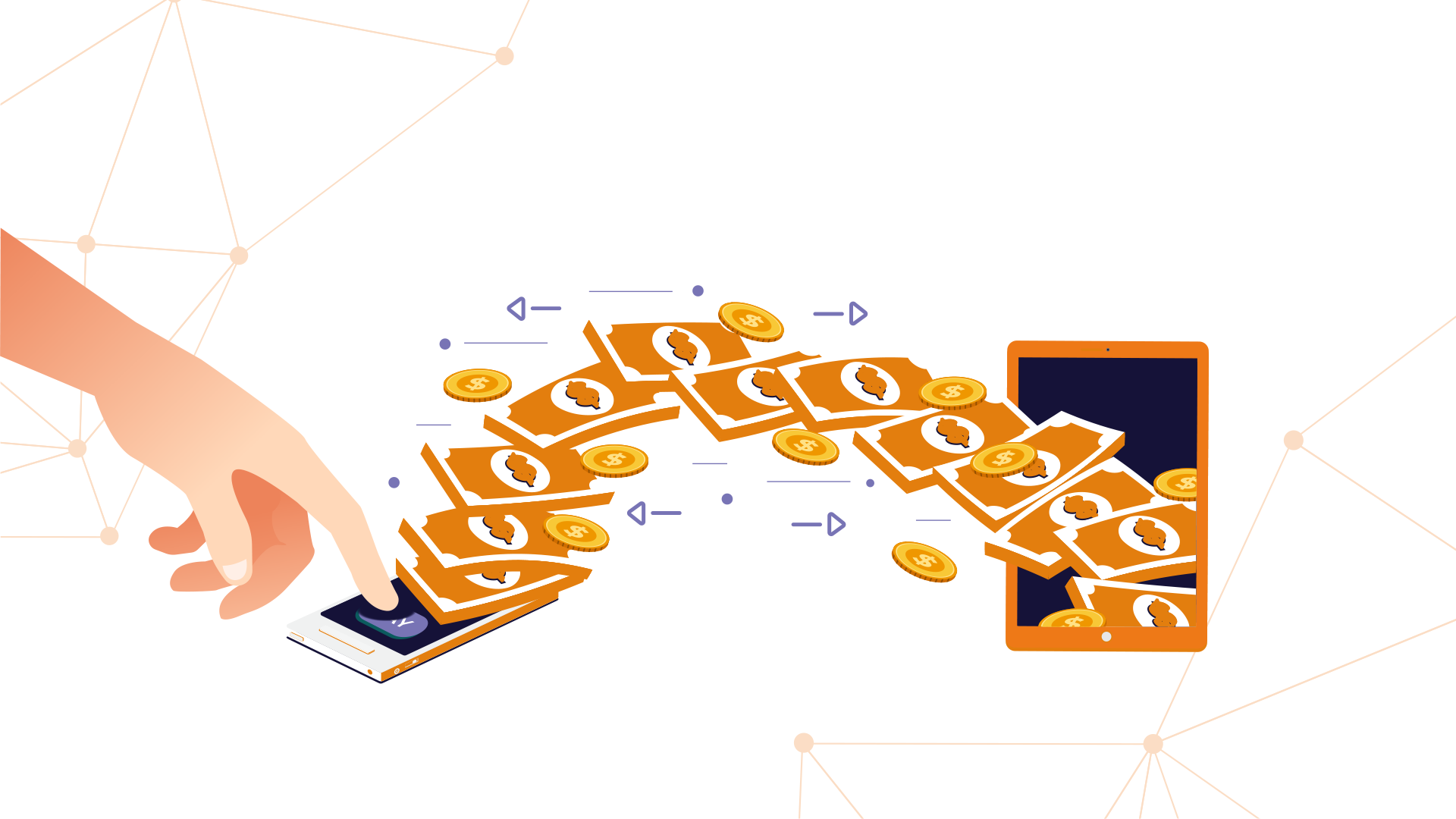
P2P is the key to controlling your expenses and gaining efficiency. Learn how to automate the entire Procure-to-Pay cycle: save money, eliminate errors, and strengthen your supply chain with technology.
When a company talks about:
- Procure to pay,
- Procure to pay p2p o
- P2p
It refers to the complete and organized process that a company follows, from the moment it needs to buy a good or service, to the moment it pays the supplier for what was received.
That is, aspects such as:
- Purchase requests,
- Supplier selection,
- Creation of the purchase order,
- Receipt,
- Verification,
- Invoicing
- Reconciliation with accounts payable.
These are processes that seem simple, but require a lot of coordination, control, data, communication and, above all, automation.
The interesting thing is that this flow impacts finance, operations, procurement, supply chain, supplier management, maintenance, and in general any department that participates in the supply chain.
A cycle that unites needs, suppliers and results
The cycle that the P2P follows is as follows:
Needs and purchase requests
The p2p cycle begins with something very basic: a need. It can be the purchase of materials, the contracting of services, the supply of parts for maintenance, the acquisition of goods or services for a project, or the replenishment of inventory. This is where the first key action arises: the identification of what is required and its specifications.
From there, purchase requests, quotes, negotiations, supplier data analysis, registration in the system, and formalization of contracts or agreements begin.
Purchases
Once the previous stages have been approved, the time comes to generate the purchase order, the document that makes it clear what is being acquired, under what conditions and with what commitments.
Reception and Verification
What follows is the delivery and receipt of goods and services, where verification, availability, and compliance with the agreed terms are involved. This part is vital because any error here affects timelines, industry performance, costs, and even growth indicators.
Billing and Payment
Once everything is in order, the process moves to invoice processing, information validation, tax calculation, and registration to make the corresponding payment. Finally, the flow is closed with the reconciliation of transactions in accounts payable, ensuring that financial operations are transparent and accurate.
What is it for?
Its main objective is:
- Save money: Ensuring purchases are made at the best prices and expenses are controlled.
- Improve control: Avoiding unnecessary or unauthorized purchases (compliance).
- Increase efficiency: Making the entire flow faster and with fewer errors, often through the use of automation software.
Why this process is so relevant in today's business
Previously, many companies managed their payables in Excel spreadsheets, individual emails, calls, physical folders, duplicate records, and zero visibility. That level of control is unthinkable in today's technological environment.
The way organizations manage their p2p cycle directly influences their competitiveness, material availability, responsiveness, and even their relationship with suppliers.
When the procure to process is well-structured, it allows:
- Have better tracking of orders.
- Ensure compliance with standards and regulations.
- Improve integration between areas and systems.
- Facilitate spending optimization.
- Reduce downtime and errors in documentation.
- Make decisions based on more reliable data.
- Maintain a stable supply chain with good communication.
Technology, automation, and integration: the new standard of P2P
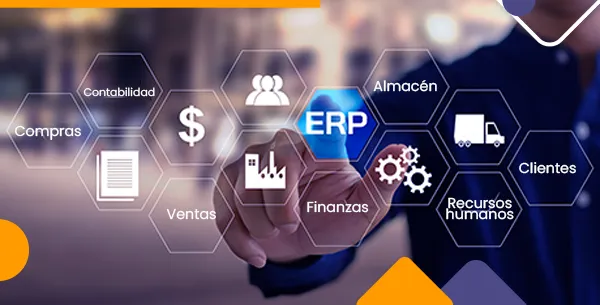
Today, procure to pay is carried out with platforms that unify the entire journey, being able to handle requests, create purchase orders, register suppliers, verify deliveries, control invoices, and process payments from a single place.
This improves the relationship with suppliers thanks to clearer communication and predictable processes. We must also add that automation reduces manual tasks, eliminates human errors, and accelerates order approval.
For the finance area, this means more visibility, better expense control, integration with budgets, and a much healthier operation.
The trend is for p2p to become a complete platform that centralizes transactions, documentation, and analysis.
What does a company gain when it strengthens its P2P cycle?
When procure to pay is well implemented, the benefits are quickly noticeable: more punctual deliveries, less rework, simpler processes, greater visibility of expenses, and a stronger supplier ecosystem. It also improves supply chain performance, reduces risks, and increases the availability of materials for day-to-day operations.
Furthermore, the company obtains a clearer view of where each peso is invested, which agreements are not being fulfilled, which orders require attention, and which processes can be optimized. This translates into better decisions, greater resource efficiency, and better planning for growth.
P2P is not just an operational flow; it is a business strategy that directly impacts results.
If you are looking to take your procure to pay p2p process to the next level, improve visibility, integrate areas, automate approvals, and strengthen your relationship with suppliers, contact Xamai. We can help you implement solutions, strategies, and tools that connect your entire purchasing cycle with finance, procurement, and operations, so your company gains control, efficiency, and competitiveness from day one.
Ready to talk to SAP specialists?
Tell us what your company needs and we'll help you find the best path.
Request information



 English
  Español de México
  Español