


Updated: June 2025
We explain how to reduce risks and streamline decision-making in your company using SAP.
There are many opportunities in business and daily life where it is necessary to make decisions, but what is a decision exactly? Decision-making could be defined as 'the act of choosing the best option among multiple options to achieve a goal.' Choosing the best option means discarding the other options.
Decisions are made based on what we perceive as the best way to achieve a goal and are based on assumptions about the future, not on the past or present.
Data-driven decision making in a company
Data-driven decision making plays a vital role in modern business strategies, both to outperform competitors and to increase profitability. A company should always decide based on accurate data and never on assumptions, as this will bring many benefits to the work.
What does data-driven mean?
It refers to using facts or data to discover patterns, inferences, and knowledge that informs the decision-making process.
Basically, it means making an effort to make decisions without biases or emotions. Business goals will be based on the evidence and patterns of the data, not on what you like or dislike.
Why is data-driven decision-making important?
Data-driven decision-making is important because it allows you to make decisions based on facts, not biases. Leaders can remain impartial and fair when making objective decisions.
Informed decisions arise from measuring business goals and receiving real-time data. Using management software like SAP ERP allows you to add the data you need to see patterns and make predictions.
This is how SAP is becoming the nerve center of the business, as it helps to reduce risks and make better-informed decisions. It is an important solution for companies that want to remain competitive and grow steadily.
Advantages of SAP in managing organizational risk
It is always important to be able to identify risks that an organization has in a timely manner, before they become a crisis that leads to poorly informed decision-making. That is why SAP can help in the following way:
Automated and standardized processes
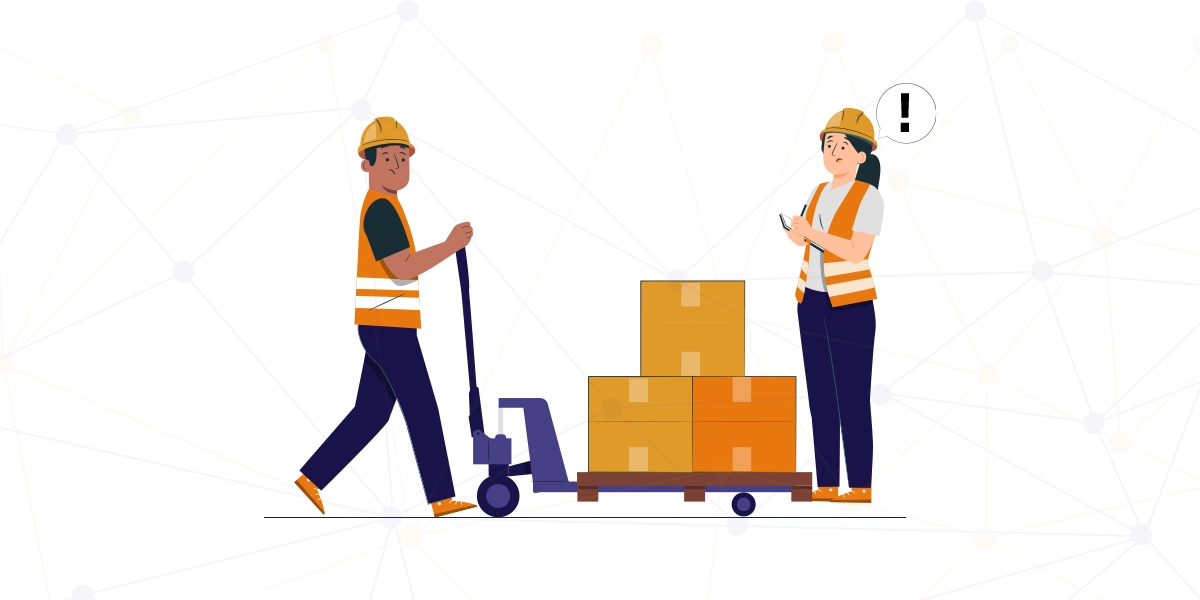
When each area works with its own method, errors and inefficiencies are inevitable among employees, but SAP allows you to establish workflows that are executed automatically, which will reduce the possibility of human errors and streamline production.
Decision traceability and internal audit
Every action is recorded: who did it, when, why, and with what result, which facilitates internal and external audits; although it also serves to understand how decisions are made and where they can be improved.
Identification of vulnerable areas
Thanks to its performance indicators and real-time alerts, SAP allows you to detect slow, inefficient, or critical processes, which will allow you to anticipate failures, redistribute resources, or redesign workflows before they generate a bigger problem and you have to make critical decisions in the company.
Information as the ultimate power in decision-making in a company
Information is power, but only if it arrives on time. In changing environments such as the needs of a company, monthly or quarterly reports are no longer sufficient, and we know that at SAP.
Always keep dashboards updated
With SAP, dashboards are automatically updated as data enters the system. This means you don't have to wait for reports or ask other departments for information: everything is available, in a single structure, in real time.
SAP shows in a single environment what is being sold, how much stock there is, which supplier has delays, or how many days of vacation a key employee has taken. All this information, which was previously distributed in multiple spreadsheets, is now integrated into a single system.
Keys to the decision-making process in a company
The decision-making process can often be divided into the following seven steps:
1.- Clarify the objective for which a decision must be made
The first step in making a decision is to identify the problem you want to solve or the question you want to answer. Once specific problems have been identified, they will be visualized and shared within the organization. Visualization is effective because it reduces the risk of differences in understanding the problems as the process progresses, keeping the focus on the objective.
Be careful not to expand the scope of the problem you want to solve. Extending it too much can cause problems later in the process.
2. Gather information
Once the problem has been identified, gather the necessary information to solve it. It is important to collect information from a broad perspective, including internal case studies and external sources. Remember that with SAP you can have accurate data and without external factors that may invalidate the information, it is always ready to share with your team or organization.
3. Identify the solution needed for that problem
Once we have gathered the information, we will begin to consider solutions to the problems we have defined. If you have several solutions, you can combine them to create a new idea using different criteria. At this point, we will not limit ourselves to a single solution, but will identify several possibilities. Communication between key people is essential to achieve consensus.
4. Examine the solution against the evidence.
We will analyze whether the multiple proposals that we have identified are truly effective. If you have internal examples, analyze them regardless of whether they were successes or failures and use them as evidence for your decision. If, when examining the proposals, you find any disadvantage, it is important to identify it and eliminate it.
How to evaluate the effectiveness of the decision made?
Making a decision involves risks, but also opens the door to opportunities. Although it is possible to anticipate the possible effects in the analysis stage, the real test is in the results obtained once the change has been implemented. This is where the ability to clearly evaluate the available alternatives before executing an action comes into play.
With SAP, this evaluation not only becomes more accurate, but also more accessible. Why? Because all relevant information is centralized and updated in real time.
One of the most common methods for evaluating the effectiveness of a decision is the comparison of indicators after the action has been carried out.
For example, a company can review its profitability, income or operating margins in the market, as well as the impact of a marketing campaign, and make a comparison of results.
Suppose the owner of a restaurant decides to expand the menu with Chinese cuisine dishes. Six months later, they can review the average sales per customer, inventory turnover or net income to determine whether the strategy was profitable.
You can apply the same to your business, always assuming the responsibilities that come with change models.
In addition to the economic impact, it is also possible to evaluate social or environmental aspects, even to carry out a human resources evaluation. For example, how many new jobs were generated after the decision-making procedure or if there was a reduction in pollutant emissions. It all depends on the objective that was sought to be achieved.
How SAP facilitates the measurement of results of decision-making in a company
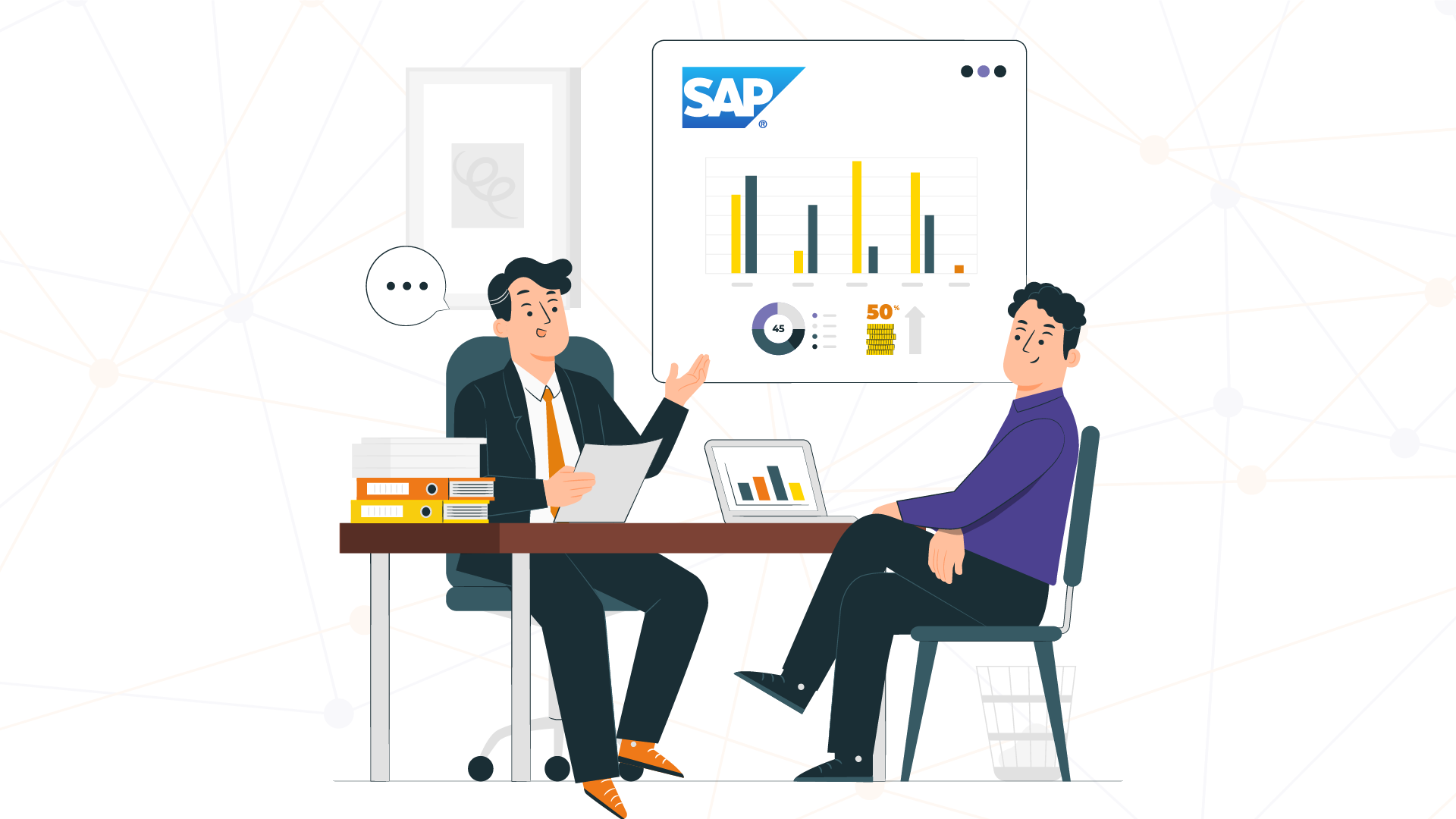
With SAP, this type of assessment ceases to be a manual or isolated process. The system allows access to updated reports and dashboards in real time, which facilitates seeing the evolution of key KPIs immediately. Whether it deals with profits, operating costs, or ESG indicators, the data is centralized and available to different levels of the organization.
Furthermore, SAP integrates analytical tools that automate scenario comparisons and help detect patterns for improvement or areas of risk. This not only accelerates the assessment, but also allows for more informed decisions based on evidence.
In other words, SAP not only records what happened, but allows you to understand why it happened, what can be improved, and how to replicate what worked.
Frequently Asked Questions about decision-making in a company and the use of an ERP
1. How does an ERP like SAP contribute to strategic decision-making?
By centralizing critical information from all functional areas, SAP allows executives to access real-time reports, identify behavioral patterns, and evaluate strategic scenarios based on reliable, updated, and structured data.
2. Which SAP modules are most relevant for decision-making?
It depends on the area, but in general, the FI (Finance), CO (Management Control), MM (Materials Management), SD (Sales and Distribution), and BI (Business Intelligence) modules stand out, as they provide key metrics for operational, tactical, and strategic decisions.
3. How does the process traceability offered by SAP impact the quality of decisions?
Traceability allows you to track each transaction from its origin to its final execution, which reduces the margin of error, facilitates internal audits, and improves accuracy in the analysis of processes, costs, and compliance with legal project standards.
4. What advantages does SAP offer over other ERP tools when making critical decisions?
SAP is a robust and scalable solution with advanced analytical capabilities. In addition, it has functionalities such as SAP Analytics Cloud and SAP HANA, which allow you to simulate scenarios, model trends, and make decisions based on predictive intelligence and its contents.
5. What role do KPIs play within an ERP like SAP?
KPIs (Key Performance Indicators) are fundamental for monitoring performance. SAP allows you to configure customized dashboards that integrate financial, logistical, and commercial metrics, which helps detect deviations and make corrective or preventive decisions.
6. How is business intelligence integrated into SAP to support decision-making?
Through tools such as SAP BusinessObjects or SAP Analytics Cloud, which transform large volumes of data into interactive visualizations and dynamic reports. These solutions allow you to analyze business performance in real time, segment information, and anticipate changes in the environment.
7. What type of decisions can be automated within an ERP like SAP?
Operational decisions such as inventory management, resource allocation, purchase order approval, or accounts payable management can be automated through workflows, business rules, and integrated bots (RPA), freeing up time for higher-level strategic decisions.
Decision-making in a company with more clarity and less risk
Making a decision can make the difference between moving forward or stagnating. That's why having a solution like SAP is not a luxury, but a necessity. It allows you to work with reliable data, automate processes, and evaluate results precisely, all from a single environment.
At Xamai, we are experts in implementing SAP solutions tailored to the needs of each company. If you are ready to take your decision-making to the next level, contact us and discover how we can help you transform your business starting today.
Ready to talk to SAP specialists?
Tell us what your company needs and we'll help you find the best path.
Request information


 English
  Español de México
  Español