
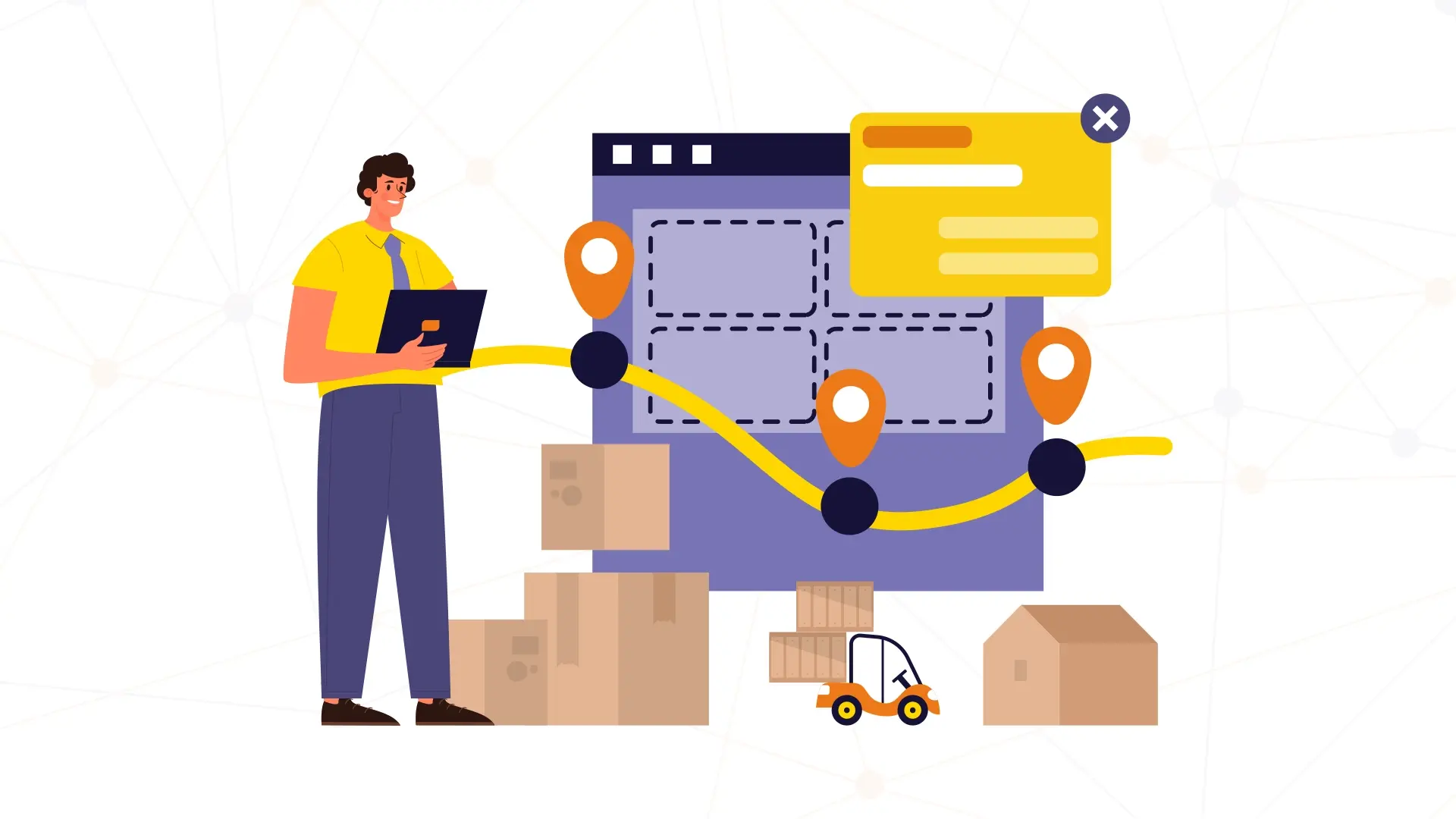
Optimize the supply chain with an ERP and improve visibility, efficiency, and collaboration to drive performance.
Let's start this article by explaining that the supply chain is the set of processes involved in the production and distribution of a product, from the acquisition of raw materials to the delivery of the final product to the consumer.
This chain also includes supplier reviews, manufacturers, carriers, warehouse storage, distributors, and retailers.
Its correct management is vital to ensure efficiency, reduce costs, and customer satisfaction, which is why adopting an ERP that helps improve processes is always recommended.
What is an ERP?
On the other hand, an ERP is an integrated software system in each department that allows companies to manage their business processes in a centralized and efficient manner, having total control of everything that happens within their business.
An ERP integrates different functions such as finance, human resources, production, sales, and purchasing into a single system, facilitating the flow of information and informed decision-making that helps improve customer relationships.
ERP Functionalities
An ERP offers very important functionalities with regard to supply chain management, including inventory management, production planning, order management, and shipment tracking.
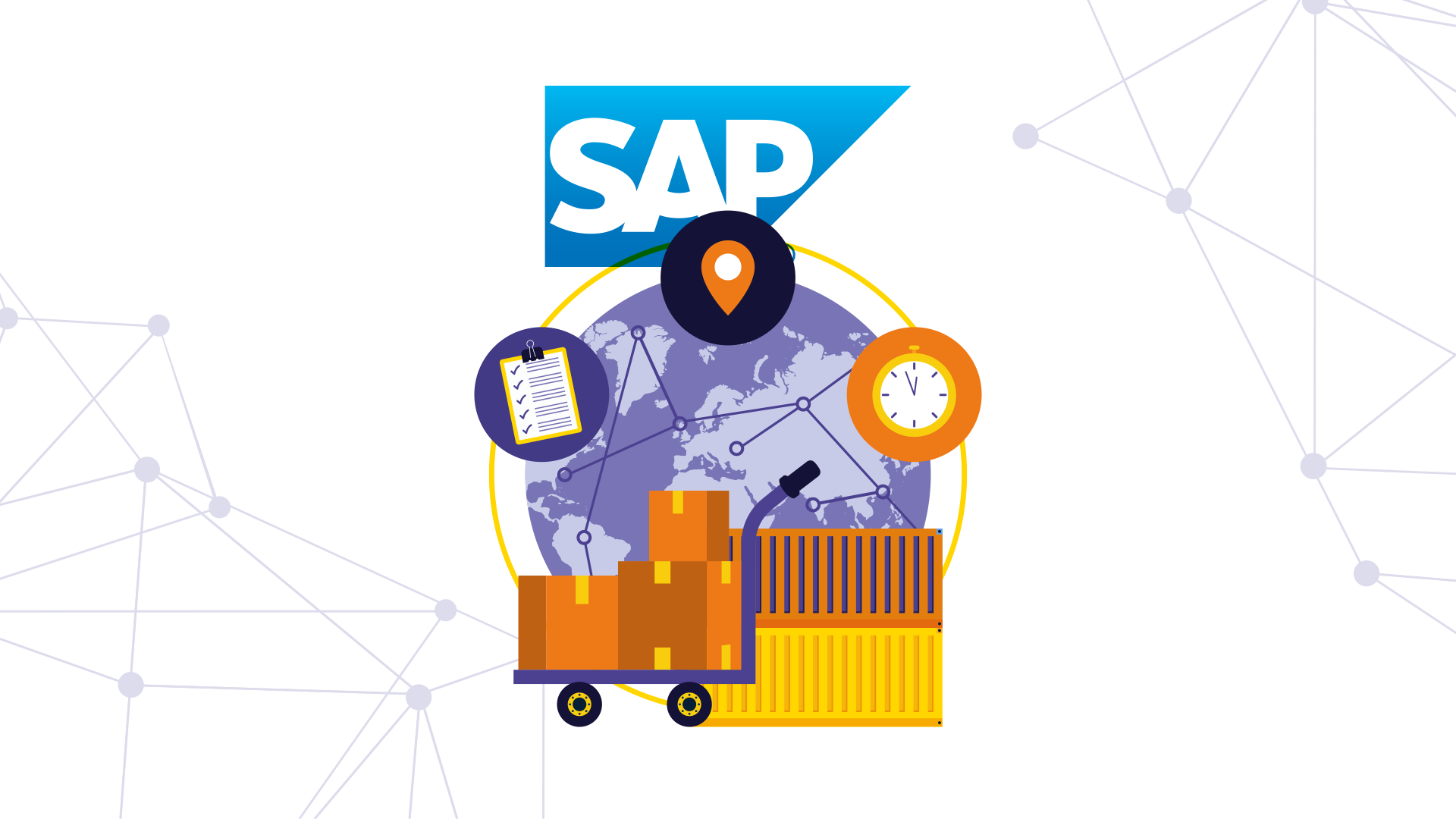
SAP ERP, one of the most recognized and used enterprise planning systems in the world, exemplifies these capabilities. Designed for companies of all sizes and sectors, SAP ERP provides a wide range of modules that cover everything from financial and human resources management to production and logistics.
These functionalities allow companies to have a complete view of their supply chain, improving coordination and efficiency.
Integration and Synchronization
The main advantage of an ERP in the supply chain is its ability to integrate and synchronize all parts of the process.
SAP ERP excels in this aspect by offering a platform that facilitates the flow of information without interruptions between the different departments and stages of the supply chain.
This means that information flows seamlessly, reducing errors, eliminating redundancies, and optimizing resources.
SAP ERP's complex infrastructure and its ability to handle large volumes of data ensure complete and real-time visibility, which translates into more informed and accurate decision-making, and greater agility to adapt to market changes, supply chains, reducing errors, eliminating redundancies, and optimizing resources.
Importance of the Supply Chain in the Economy
On the other hand, we must say that an efficient supply chain is essential for the global economy. It allows companies to reduce costs, improve the quality of products and services, and respond quickly to market demands.
When a business has an efficient supply chain, it contributes to the competitiveness of companies in a globalized market.
Common Challenges
Supply chains face numerous challenges, such as fluctuations in demand, variability in supply, changes in regulations, and logistical disruptions.
Managing these challenges requires meticulous planning and a rapid ability to adapt, areas where an ERP can be of great help.
Advantages of ERP in the Supply Chain
An ERP like SAP optimizes operational efficiency by automating repetitive processes and enabling better planning and control. This results in a reduction in operating costs, minimization of waste, and more efficient utilization of all resources.
The ERP provides complete real-time visibility into all stages of the supply chain. This visibility allows managers to make informed decisions and anticipate problems before they become crises, thereby improving chain control and management.
Strategies for Optimizing the Supply Chain with ERP
The ERP facilitates the exchange of information between different parts of the supply chain. This fluid communication improves collaboration, reduces response times, and increases overall productivity.
Digitalizing processes through an ERP enables integrated management of all supply chain activities. This not only reduces manual errors but also facilitates process traceability and auditing, ensuring compliance with standards and regulations.
ERP Implementation in the Supply Chain
Integrating an ERP requires careful planning. The first step is to analyze the specific needs of the supply chain and select an ERP that fits those business needs, and this depends heavily on the type of industry being handled; it is also essential to analyze the company's product or service offering and the processes they undergo before reaching the end consumer.
The study is exhaustive and meticulously works to define what type of ERP and specific integrations can cover business needs.
At Xamai, we take care to perform this analysis with the greatest transparency and commitment to our clients, who can be certain that they will have the ideal option for their benefit in the short, medium, and long term.
After defining the ERP, staff training and data migration from previous systems to the new ERP are crucial.
Once integrated, the next steps include continuous monitoring of ERP performance, identifying areas for improvement, and updating the system as needed. It is important to maintain constant communication with system users to ensure that all ERP functionalities are being utilized.
ERP in the Chain: Success Stories
Various companies have successfully implemented ERPs in their supply chains, obtaining significant benefits. For example, a manufacturing company can reduce its production times by 20% and decrease inventory costs by 15% after implementing an ERP. It is also possible to improve delivery accuracy and reduce returns thanks to the real-time visibility provided by the ERP.
Choosing the right SAP ERP provider for a healthy supply chain
Choosing the right SAP ERP provider is crucial for optimizing your business's supply chain and ensuring its proper functioning.
As we have mentioned before, a well-implemented ERP system can improve visibility, efficiency, and collaboration throughout the chain, leading to lower costs, greater customer satisfaction, and a greater competitive advantage.
At Xamai, we are committed to helping you find the perfect solution for the specific needs of your company.
What SAP ERP can you implement to have better control over your supply chain?
SAP Business One is primarily aimed at SMEs, but with a special emphasis on growing medium-sized companies. An ERP is a solution that, in addition to offering specific modules to manage different areas of the business, including finance, sales, purchasing, inventories, and more; also has a module to improve supply chain management, in the case of SAP Business One offers functionalities such as:
- Inventory Management
- Procurement and supply
- Warehouse management
- Demand planning; at this point it is important to mention that SAP Business One may be a bit tight if your supply chain processes are very complex and specialized.
However, at Xamai we provide solutions to this problem by being able to adopt an add-on that helps to complement those operations that SAP does not cover or by offering you to migrate to S/4HANA, which has a much more robust module for more complex solutions.
SAP Business One is ideal for companies looking for a robust but accessible solution to control their supply chain without the complexity and costs associated with larger solutions.
On the other hand, SAP S/4HANA has advanced capabilities for supply chain management, such as:
- Real-time integration
- Advanced supply chain planning
- Logistics and transportation management
- Automation and artificial intelligence
SAP S/4HANA is a better option for companies that require complete and detailed control of their supply chain, with the ability to scale and adapt to changing market needs.
Which one to choose?
The choice between SAP Business One and SAP S/4HANA depends on the size of the company and the complexity of its operations. While SAP Business One is ideal for medium-sized companies looking for an affordable and efficient solution, SAP S/4HANA is the right option for large companies that need advanced control and real-time visibility of their supply chain.
Why choose Xamai for the implementation of SAP ERP?
- Experience: We have more than 25 years of experience in the market, implementing SAP ERP in companies from various sectors. Our team of experts certified by SAP is trained to understand your needs and offer you customized solutions that adapt to your business.
- Supply chain focused solutions: Our SAP ERP solutions and partner solutions are specifically designed to optimize visibility, efficiency, and collaboration throughout your supply chain.
We will help you improve supplier management, demand planning, inventory management, manufacturing, transportation, and logistics, so you can achieve complete control of your operations. - Perfect integration: We ensure that your SAP ERP system integrates seamlessly with the other tools and systems you already use in your business.
This will allow you to have a unified view of your entire supply chain and avoid data duplication, which will save you time and effort. - Scalability guaranteed: We offer scalable SAP ERP solutions that can grow with the pace of your business. You won't have to worry about being left behind as your company expands.
- First-level support and maintenance: We care about your success and that's why we offer first-class support and maintenance services. We will provide complete training to your users, regular system updates, and quick resolution of any problems that may arise.
- Impeccable reputation: We are proud to have an impeccable reputation in the industry. We are recognized as one of the best SAP partners in Mexico and Latin America, and we have received numerous awards and recognition for our work with a 92% customer retention rate.
- Transparent costs: We offer competitive and transparent prices, with no hidden charges. We will present you with a detailed budget that fits your budget and your business needs.
- Proven methodology: We have a proven implementation methodology that guarantees a smooth and efficient process. We will guide you step by step through each stage of the process, from planning to go-live, so you can get the most out of your investment in SAP ERP.
- Satisfied clients: We are backed by hundreds of satisfied clients in various sectors. We invite you to learn about our success stories and hear how we have helped transform supply chains and achieve business objectives for our client portfolio.
- No-obligation demo: We offer you the opportunity to try our SAP ERP system before making a final decision.
This way, you can see for yourself how Xamai can help you optimize your supply chain.
Conclusion
Implementing an ERP in the supply chain offers multiple benefits, including increased efficiency, reduced costs, better visibility and control, and integrated process management. These advantages translate into greater competitiveness and responsiveness to market changes.
The future of supply chain management is closely linked to the evolution of ERP technology.
With continuous advances in artificial intelligence, data analytics, and automation, ERP systems will continue to improve the efficiency and effectiveness of supply chains, helping companies stay competitive in an increasingly complex and dynamic environment.
Don't wait any longer to transform your supply chain with SAP ERP. Contact Xamai today and discover how we can help you achieve your business goals.
Ready to talk to SAP specialists?
Tell us what your company needs and we'll help you find the best path.
Request information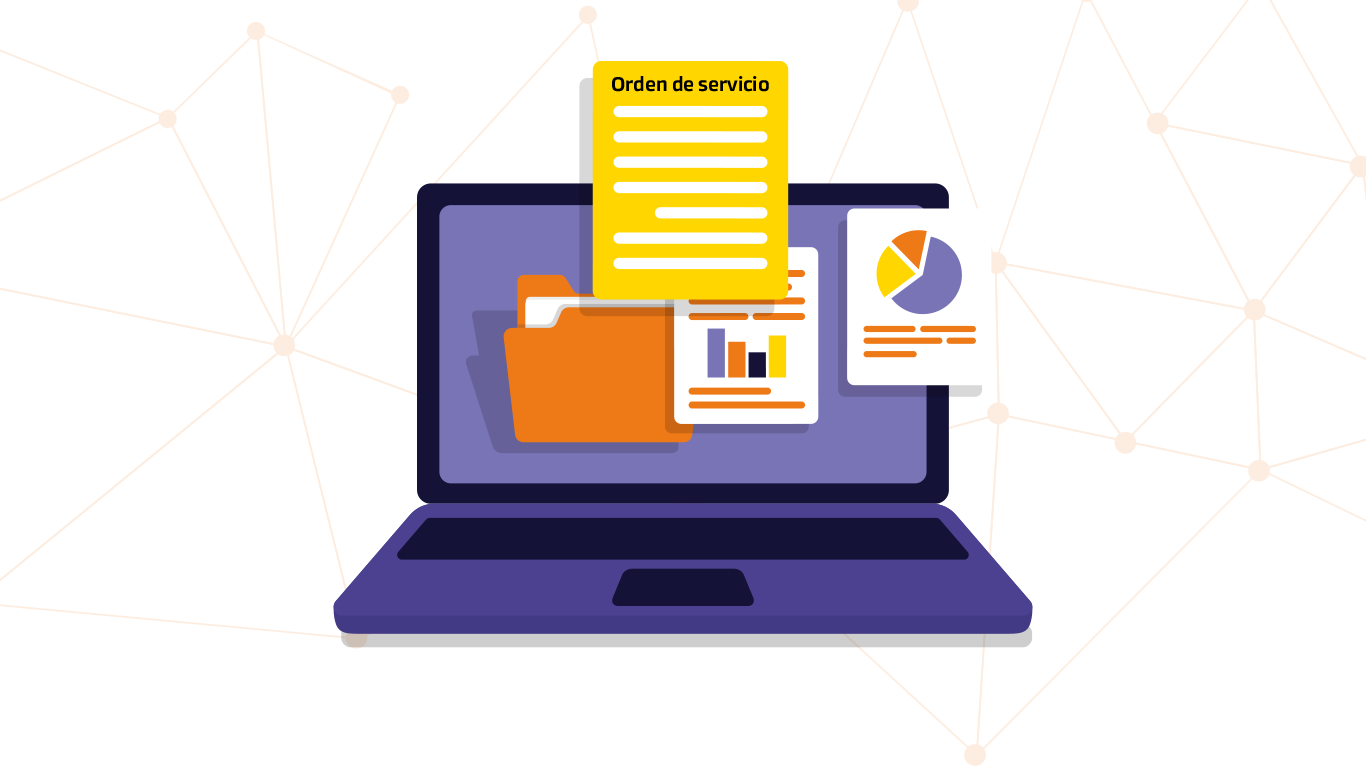


 English
  Español de México
  Español