
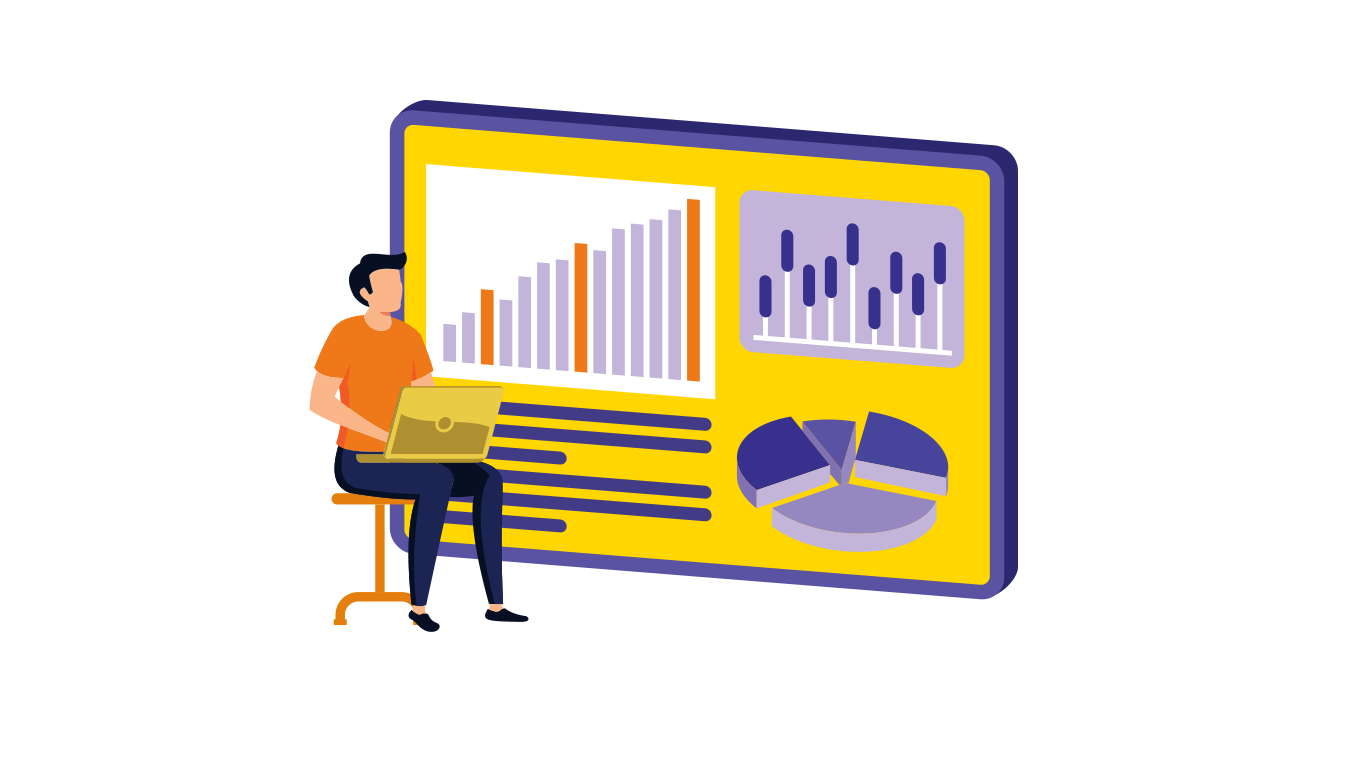
Discover the best technological resources you can use in your company.
Nowadays, talking about a company's technological resources is practically talking about its operational heart. It doesn't matter if it's a family-owned SME, a growing startup, or an international corporation: technology is in every corner of the organization, driving its processes, productivity, and ability to compete in the market.
But what exactly do we mean by technological resources? What are their types, how are they applied in daily life, and what benefits do they generate for the business? Let's break it down with very precise examples that will help you understand.
What are technological resources?
Simply put, technological resources are all those elements, systems, and tools that allow a company to execute its activities with greater efficiency.
This includes both tangible items (computers, servers, mobile phones, or internal networks) and intangible items (operating systems, management software, applications, databases, or artificial intelligence).
They are the means to transform information into results, optimize management, and guarantee the continuity of operations.
Types of technological resources in a company
Not all technological resources are the same or fulfill the same functions. We can divide them into different types according to their use or nature:
1. Hardware
Here we find everything physical: devices, servers, mobile phones, computers, storage equipment, and even production machines.
2. Software
This includes everything from operating systems (Windows, Linux, iOS) to critical business applications such as a CRM, an ERP system, accounting programs, invoicing, etc.
3. Networks and connectivity
Networks are the backbone that connects users to services, whether within the office or in cloud environments. This also includes instant messaging services, email, and social media as corporate communication channels.
4. Databases and storage
A modern business thrives on data. These resources allow you to store, manage, and consult critical information for making decisions, tracking customers, managing inventory, or complying with regulations.
5. Collaborative tools
Collaboration platforms, instant messaging programs, video conferencing systems, shared documentation in the cloud. These are resources that facilitate teamwork, planning, and carrying out activities in multiple areas of the company.
6. Artificial intelligence and data analysis
Today we're talking about artificial intelligence, automation, and data analysis as key resources for digital transformation. These allow you to identify trends, anticipate the future of the market, and design strategies with a clear competitive advantage.
Examples of technological resources in daily life
Sometimes the concepts sound very theoretical, but if we go into practice, we find very clear examples of how these technological resources are used by a company:
- A retail chain that uses an ERP system to control its inventory in real time.
- A small business that manages its customer relationships through a CRM.
- A human resources department that organizes employee training on online platforms.
- A startup that runs campaigns on social media and measures their impact with data analysis tools.
- An e-commerce company that processes invoices, online payments, and orders thanks to integrated applications.
The importance of technological resources
Why are technological resources so relevant within a company? The answer lies in their direct impact on:
- Productivity: they allow you to perform more tasks in less time.
- Communication: they improve interaction between employees, customers, and suppliers.
- Information management: they ensure that data is organized and available.
- Competitiveness: they provide a clear advantage over competitors who do not have the same technological implementation.
- Compliance: they help to comply with regulations, documentation, and security standards.
In short: technological resources are the foundation for an organization to achieve its goals and remain relevant in the market.
Technological resources and human resources
Although it may sound paradoxical, human resources are also part of technological resources. Why? Because it's useless to have the best management software if employees are not trained to use it.
The key is training and understanding that technology enhances the capabilities of the team, but does not replace it. On the contrary: it strengthens collaboration, facilitates planning, and makes each area of the company function better.
Technological resources as an engine of digital transformation
Today, a company's technological resources are much more than tools: they are the foundation of its digital transformation.
Implementing a cloud ERP, leveraging artificial intelligence to better understand customers, or using e-commerce platforms are steps that define the future of many organizations.
Furthermore, by integrating technological solutions, the company obtains clear benefits:
- Efficiency in processes.
- Better tracking of projects and operations.
- Greater functionality in critical areas.
- Ability to scale and respond quickly to new needs.
How to implement technological resources strategically
It's not about filling the company with programs and devices aimlessly. A good implementation involves:
- Analyzing business and customer needs.
- Selecting appropriate management systems or management software.
- Ensuring integration with other processes and platforms.
- Planning user training.
- Constantly measuring the efficiency and impact of these tools.
This way, technological resources cease to be an expense and become a true investment in growth.
Trends in business technological resources
If we think about the future, there are several trends that will set the pattern in the use of technological resources:
- Automation of processes with software robots (RPA).
- Use of artificial intelligence in customer management.
- Migration to cloud platforms to improve collaboration.
- Expansion of e-commerce and integration with secure payment systems.
- Greater focus on data security and regulatory compliance.
These trends are not optional, they are the way companies will secure their place in the market.
Xamai and the optimization of technological resources
At Xamai, we know that technological resources are key to ensuring a company functions efficiently and securely. That's why we accompany our clients in the implementation of ERP systems, management software, and cloud solutions that drive productivity, collaboration, and business growth.
Our experience as a SAP Gold Partner allows us to design strategies tailored to each organization, integrating technological tools ranging from inventory management to the management of critical operations, always focused on objectives and new market trends.
Ready to talk to SAP specialists?
Tell us what your company needs and we'll help you find the best path.
Request information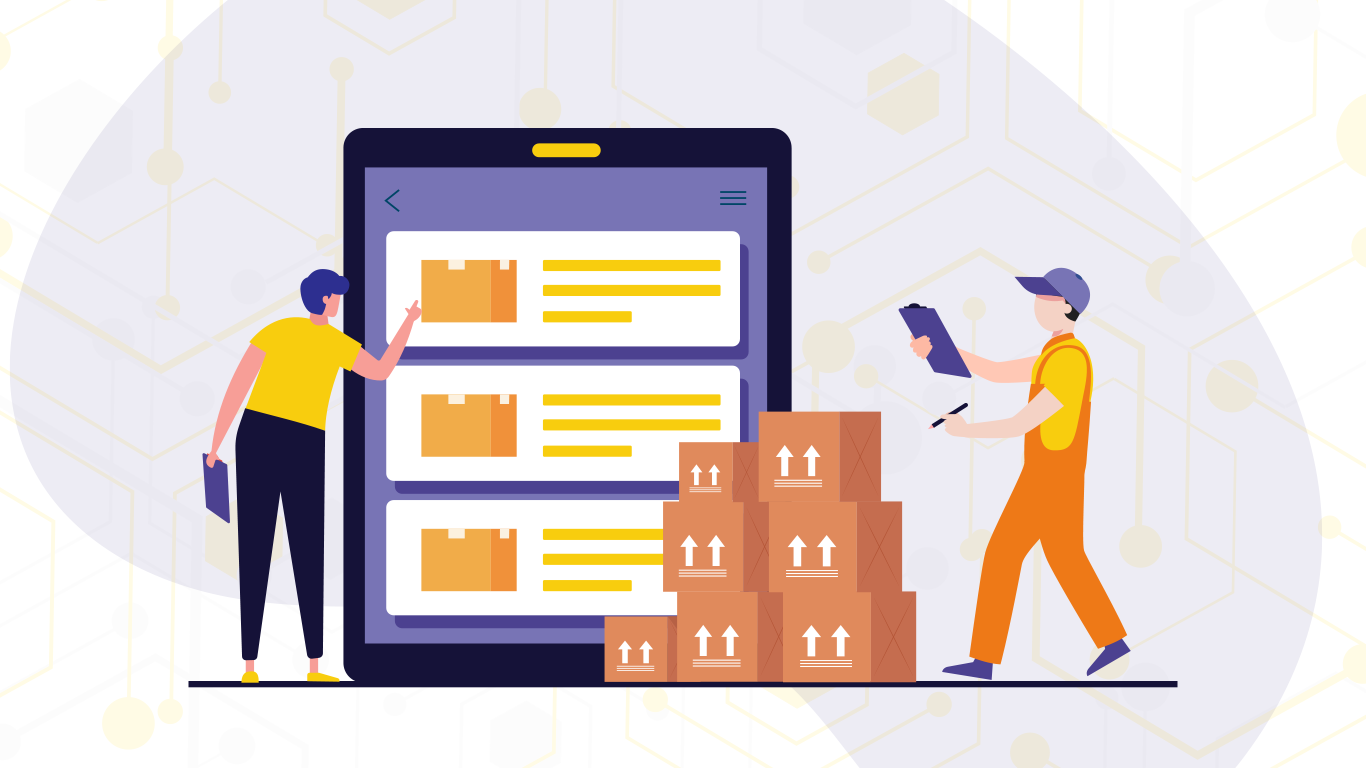




 English
  Español de México
  Español