
What is the Internet of Things and what benefits does it bring to your company and your daily life?
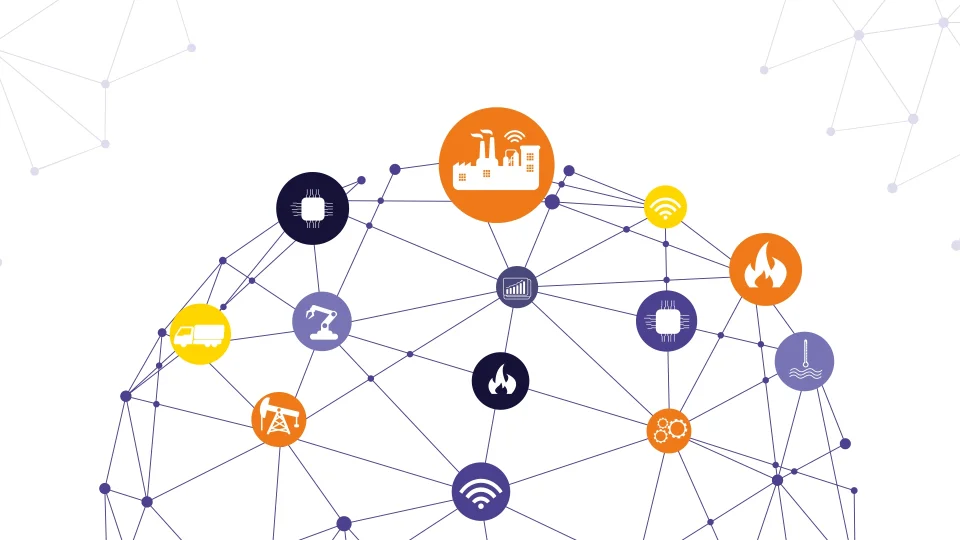
The Internet of Things (IoT) connects devices and iot things that are connected to the internet and transmit data in real time. It is a vast network of iot devices, machines, sensors, cars, appliances, and tools that send information to make better decisions, even with less human intervention.
What's curious is that it already lives with us in IoT devices and IoT solutions: the refrigerator that detects inventory, the smart light bulb, the watch that measures steps, or any smart device that can be controlled remotely.
For companies, this technology transforms entire processes thanks to the ability to process large amounts of data in the cloud, automate tasks, improve security, and optimize resources.
Customer experience: how IoT improves everyday life
One of the most visible benefits of IoT is in the customer experience. Today, consumers and users expect speed, personalization, and continuous attention. This is where internet-connected devices, iot applications, and specialized software make a difference.
Clear examples
- More personalized services
Smart devices analyze user behavior and adjust settings without them having to request it.
A connected car, for example, can identify faster routes, send maintenance alerts, and recommend nearby workshops. For the customer, this is immediate convenience. - Faster and more efficient support
A sensor in an appliance can alert the manufacturer when an anomaly is detected. The company obtains real-time data and can contact the customer before the failure occurs. This proactive monitoring creates trust and reduces frustrations. - Seamless experience in stores
In retail, iot devices control inventory levels. When a product is running low, the system detects it and orders automatic replenishment. For the consumer, this means finding what they are looking for without interruptions. - Smart services in cities
In smart cities, sensors in transportation, lighting, or parking allow for more efficient services. Users receive accurate information from an application, such as availability of spaces or reduced waiting times.
The result is the same: a better-served customer, faster processes, and a more intuitive experience.
Technologies that make IoT possible
Although from the outside the Internet of Things seems like something 'magical', it actually works thanks to a set of technologies, systems, and platforms that allow internet-connected devices to talk to each other, process data, and execute actions without human intervention.
Connectivity and networks
It all starts with connectivity. Networks, whether Wi-Fi, 4G, 5G, or specialized networks for iot devices, allow sensors, appliances, cars, and machines to share information in real time. Without a good connection, communication between a device and the cloud simply doesn't flow.
Sensors and smart hardware
IoT sensors are the “sense” of connected things. They record temperature, movement, vibration, inventory, location, and a myriad of details that companies can transform into decisions.
These sensors are integrated with hardware designed to withstand industrial conditions or to adapt to smart homes.
Cloud computing and storage
Cloud computing is key because it allows processing large amounts of data without relying on local storage. Cloud platforms analyze information, run programs, manage thousands of devices, and allow organizations to access everything from anywhere.
Artificial intelligence and machine learning
Artificial intelligence, machine learning, and deep learning are the brain of modern IoT. Thanks to these technologies, systems can predict behavior, detect anomalies, automate processes, and improve the user experience without a person having to intervene.
This is where IoT becomes truly valuable for industries, supply chains, utilities, and companies seeking greater productivity.
Integration platforms and enterprise software
Finally, for all these elements to work in a unified way, enterprise platforms and software come into play.
At this point, SAP and tools like SAP BTP allow managing devices, analyzing information, integrating processes, and ensuring security against cyberattacks, covering from home to industry, passing through manufacturing, logistics, inventories, and customer service.
IoT in homes and businesses: how it transforms operations
Smart homes showcase the practicality of these technologies. A connected thing—such as a lighting sensor or a smart refrigerator—communicates its status to a network, enabling automatic actions and efficient energy use. This also helps reduce environmental impact.
In businesses, IoT improves inventory management, product tracking, machinery control, and supply chain optimization. Connected devices, hardware, computing, cloud processing, and integration platforms allow everything to happen without stopping operations.
IoT and SAP: data-driven decisions
For those who work with SAP, IoT becomes a strategic tool. With platforms like SAP BTP, IoT sensors, machines, and connected cars can send information to a system that transforms data into real actions.
Examples with a business focus
Predictive maintenance:
A machine sends alerts through its sensors. SAP analyzes the behavior and generates an automatic order to prevent failures.
Smart supply chains:
Connected products report location, temperature, and status. This allows organizations to avoid losses, reduce times, and offer more precise deliveries.
Real-time customer service:
If a device malfunctions, the system detects it, creates an automatic ticket, and accelerates the solution. This reduces waiting time for the end consumer.
These functions are supported by artificial intelligence, machine learning, AI algorithms, platforms, data models, and secure networks that strengthen operations and the user experience.
Industries powered by IoT
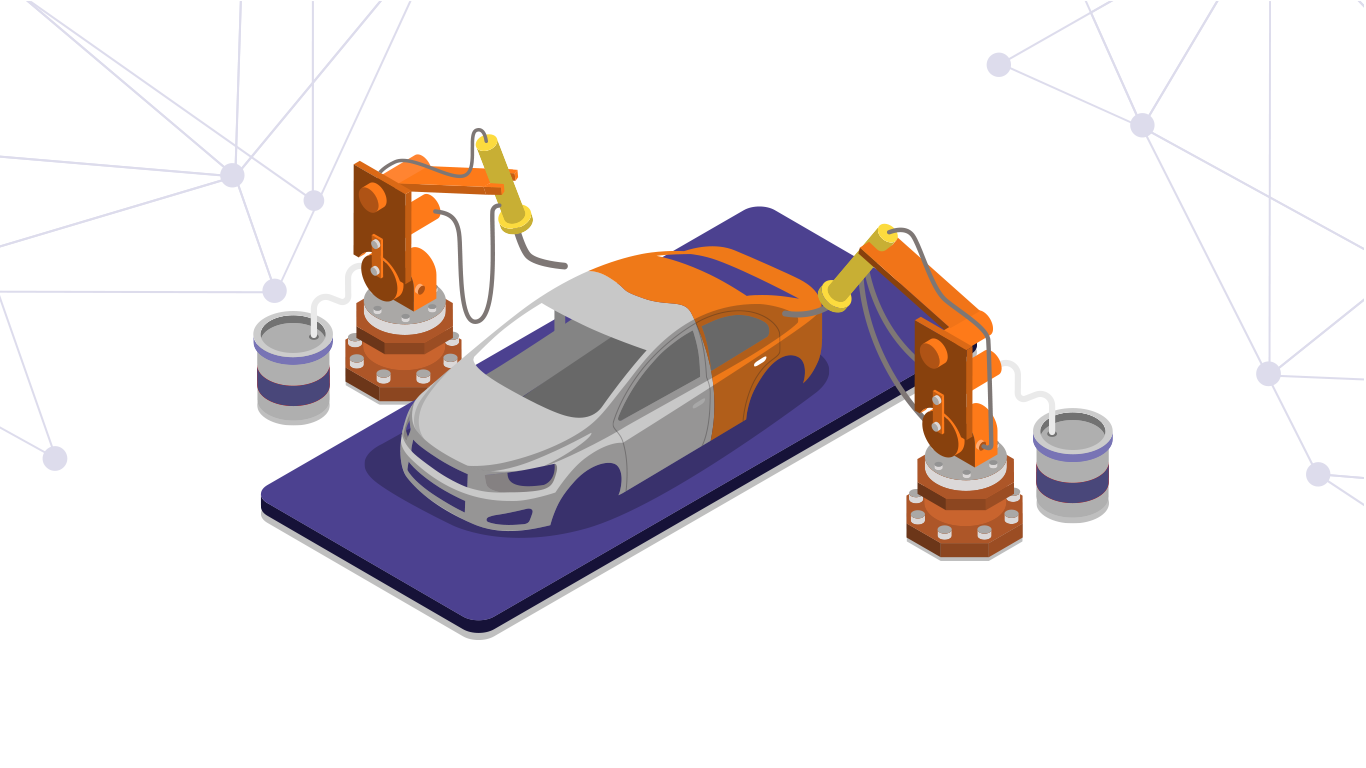
From the manufacturing industry to utilities, logistics, retail, and mobility, IoT has become essential. Infrastructures, connections, programs, and processes improve thanks to automation, data analysis, connectivity, and the ability to monitor at all stages of production.
Cloud computing tools, applications, computers, sensors, monitoring systems, communication services, and devices that interact seamlessly coexist here.
Frequently Asked Questions (FAQ)
Is IoT expensive to implement?
It depends on the scale. Many projects can start with inexpensive sensors and grow gradually. The important thing is to integrate the data well with a platform like SAP.
Is it safe to connect so many devices?
Yes, provided there is a clear cybersecurity strategy and proper management within the SAP ecosystem or the chosen provider.
Do I need a specialized team to use IoT?
Not necessarily. Platforms like SAP BTP simplify device management and allow you to get started without a steep learning curve.
The Internet of Things not only transforms companies and industries; it also improves the customer experience, making services faster, more personalized, and more efficient. The combination of IoT and SAP allows you to leverage real-time data, automate tasks, and create smarter business models.
If your organization wants to move towards more connected and customer-oriented processes, now is a good time to explore these technologies.
At Xamai, we can help you integrate IoT, data, and SAP platforms to improve your operations and the experience of your users.
Ready to talk to SAP specialists?
Tell us what your company needs and we'll help you find the best path.
Request information




 English
  Español de México
  Español