


Optimize your assets, maximize productivity, and achieve business success with our expert advice.
Business resources encompass a broad spectrum that goes beyond simple material assets; they include human talent, technology, time, and finances. Understanding the nature and potential of these resources, as well as strategically planning their utilization, has become essential for companies aspiring to excel in their respective sectors.
From a strategic planning perspective, we will address how organizations can optimize resource allocation to drive operational efficiency, foster innovation, and ultimately achieve their business objectives.
What are business resources?
Business resources refer to the essential elements that a company uses to carry out its operations, achieve its objectives, and maintain its position in the market. These resources encompass aspects ranging from financial aspects, such as capital and assets, to human capital, represented by the skills and talents of employees.
Furthermore, they include technological, physical, intellectual, and social components that, together, contribute to the functioning and success of the organization. Effective management of these resources is crucial for strategic planning, innovation, and adaptation to a constantly changing business environment.
What are a company's resources?
A company’s resources encompass a wide range of essential elements for its operation, development, and success in the market. These resources can be classified into several categories, each playing a crucial role in business operations and strategies. Here, we present some of the main types of business resources, along with illustrative examples:
1. Financial Resources:
- Cash and liquidity: Funds available for daily operations and emergencies.
- Investments: Financial assets that generate long-term income.
- Credit: Access to lines of credit and loans to finance projects.
Human Resources:
- Talent and skills: Competencies and knowledge contributed by employees.
- Organizational culture: Values, norms, and behaviors shared within the company.
- Leadership: Management and direction skills that drive team performance.
Technological Resources:
- Hardware and software: Computer equipment and programs used for operations and processes.
- Digital infrastructure: Networks, servers, and systems that support technological operations.
Physical Resources:
- Facilities: Buildings, factories, or warehouses that serve as workspaces.
- Equipment: Machinery and tools necessary for production.
Intellectual Resources:
- Intellectual property: Patents, trademarks, and copyrights that protect innovation.
- Internal knowledge: Experience and know-how accumulated within the organization.
Social and Relational Resources:
- Network of contacts: Relationships with partners, customers, and suppliers.
- Reputation: Positive perception of the company in the market and the community.
Time Resources:
- Time planning: Strategies and calendars for efficient time management.
- Production time: Period necessary to complete projects and processes.
Natural and Environmental Resources:
- Raw materials: Natural resources used in production.
- Sustainability: Practices that minimize environmental impact.
Understanding the nature and interrelation of these resources allows companies to strategically plan their use, optimizing their performance and ability to face challenges in a dynamic business environment.
How to efficiently manage business resources?
The efficient management of business resources is essential for the success and sustainability of an organization. Here are some key strategies to achieve effective resource management:
- Evaluation and Prioritization:
Begin by conducting a thorough assessment of all available resources, from financial and human to technological and physical. Identify the resources critical to the company's strategic objectives. Prioritize their allocation based on their importance to avoid dispersion and ensure a clear focus on main goals. - Implementation of Management Technologies:
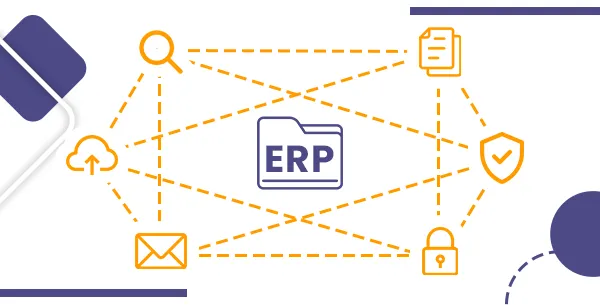
The adoption of advanced enterprise resource planning (ERP) systems can facilitate the integration and coordination of various processes and data. These tools provide a comprehensive view of the company, enabling more informed decision-making and efficient resource management in real time. - Process Optimization:
Continuously review and improve internal processes to eliminate redundancies and increase efficiency. Optimizing operations contributes to a more effective use of resources, reducing costs and improving productivity. Implementing lean practices and automating repetitive tasks are useful strategies. - Talent and Leadership Development:
- Invest in the development of skills and competencies within your team. Strong leadership is essential to maximize the performance of human resources. Foster a work environment that promotes innovation, collaboration, and continuous learning. - Continuous Monitoring and Analysis:
Establish key metrics to evaluate resource performance and continuously monitor progress. Analyze the results and adjust strategies as needed. Continuous feedback facilitates continuous improvement and the ability to adapt to changes in the business environment. - Resilience and Contingency Planning:
Develop contingency plans to deal with potential obstacles or unexpected changes. Business resilience involves the ability to adapt quickly to unforeseen situations without significantly compromising operational efficiency. - Focus on Sustainability:
Consider sustainability in resource management. Efficiency is not only about maximizing short-term profitability, but also about ensuring long-term viability. Adopt responsible and sustainable practices that benefit the company and the environment.
The efficient management of business resources involves a holistic and strategic approach that balances operational efficiency with the ability to adapt to a constantly changing business environment.
Keys to effective business resource planning
Effective business resource planning is essential for the success and sustainability of an organization. First and foremost, clearly identifying the objectives and goals of the company's project is fundamental. Planning should begin with a deep understanding of the organization's needs and aspirations, establishing realistic goals aligned with the long-term vision. This clarity provides the foundation for appropriately allocating resources and ensuring that each element contributes directly to achieving strategic objectives.
Secondly, efficient coordination of various types of resources is essential. From financial and human resources to technological and natural resources, each component must be integrated synergistically to maximize its impact. Technology plays a crucial role in this coordination, as enterprise resource planning (ERP) solutions offer advanced tools to manage and optimize processes, improve efficiency, and provide a comprehensive view of operations.
Finally, flexibility and adaptability are key in a dynamic business environment. Effective resource planning is not only about anticipating current needs, but also about preparing for future challenges. Companies should incorporate mechanisms for continuous review and adjustment into their planning, allowing for agile responses to changes in the market, technology, or internal conditions.
Business agility thus becomes a critical element for maintaining relevance and competitiveness over time. In summary, effective business resource planning involves clarity of objectives, comprehensive resource coordination, and a continuous ability to adapt to a constantly evolving business environment.
Ready to talk to SAP specialists?
Tell us what your company needs and we'll help you find the best path.
Request information








 English
  Español de México
  Español