
What is an ERP?
ERP is an abbreviation for Enterprise Resource Planning, which in Spanish means enterprise resource planning. It is software that deals with the planning, management, and control of a company's productive operational factors in the most efficient way possible. These resources can be, for example:
- Materials
- Capital
- Operating resources
- Personnel management
What are the characteristics of an ERP system?
Different industries also have different requirements for an ERP system. It is much better if a solution can be adapted to the respective industry branch or business size including small and medium-sized enterprises.
For this reason, ERP systems usually have a modular structure. This means that companies can combine individual software modules according to their needs and the solutions they require.
ERP programs ensure that all functions are linked through a central database. This allows for efficient planning of ERP processes at all levels and departments of the company.
Who are the 3 leading ERP providers in the global market?
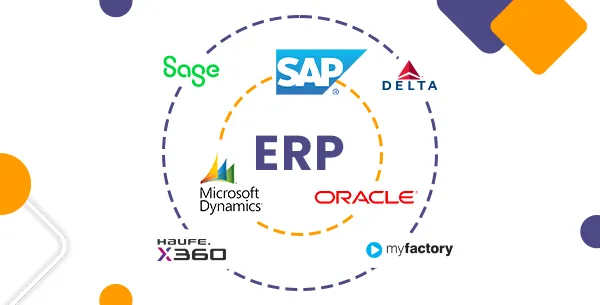
With all the benefits that ERP software offers, the market is booming and many providers are present in this market. However, there are 3 global ERP market leaders whose products are the most popular among companies. According to these studies, the 3 global ERP market leaders are SAP, Oracle, and Microsoft Dynamics.
1.- SAP
The acronym SAP stands for Systemanalyse und Programmentwicklung, which in Spanish means Systems Analysis and Program Development.
It is a German company, a world leader, that provides one of the best enterprise management IT solutions at multiple levels and has become one of the world's leading ERP market leaders.
SAP has been in the market for many years and offers a wide range of ERP solutions. We must say that it is particularly popular among large companies because its solutions are very advanced and can manage many business processes with cloud solutions in an easy, secure, and optimal and professional manner.
In addition, it is important to mention that SAP is a system with: guarantee of success, robustness, scalability, value, transversality, community, evolution, and prestige.
In addition, it is one of the most used ERPs in the country.
SAP options for each project
With the options it offers in the cloud, SAP allows companies to benefit from greater flexibility and scalability.
SAP software is composed of modules, so it provides specific solutions to a specific area of the company. This is how there are SAP modules specialized in logistics, finance, or human resources.
The SAP consultant assigned during implementation should be specialized in the mentioned areas, so it is always recommended to work with a consultancy that helps the company make the best decisions for SAP ERP implementation.
2.- Oracle NetSuite ERP
Oracle is a leading provider in the global ERP market, offering advanced solutions tailored to large enterprises. It also provides cloud services for greater flexibility and scalability. Its financial and planning functions reduce cycle times and improve processes.
NetSuite, an Oracle company, accelerates the billing process with order management features and offers integrated business intelligence. Oracle NetSuite optimizes the user experience across various devices.
In addition, Oracle offers ERP solutions for SMEs, expanding its reach in the market.
3.- Microsoft Dynamics
One of the ERP providers offered by Microsoft. Microsoft Dynamics is a very popular ERP solution for small and medium-sized businesses.
The Microsoft Dynamics solution is an ERP provider that allows companies to manage their business processes efficiently and also provides great flexibility.
In addition, Microsoft Dynamics offers a range of cloud computing solutions, allowing companies to benefit from greater scalability.
Why are ERPs essential for companies?
Integrated management systems, known as ERPs, are fundamental to the digital transformation of companies. They allow processes to be streamlined, communication to be improved, and costs to be reduced. Furthermore, their flexibility and customization capabilities make them essential for meeting specific business needs.
The main providers of ERP solutions are SAP, Oracle, and Microsoft, who dominate the market thanks to their complete and integrated solutions that cover all business areas, from financial management to human resources and production.
These companies offer a wide range of features and great flexibility to adapt to customer needs, standing out for their strengths in the global ERP market.
Other ERP providers
The ERP market offers a wide range of options beyond the main providers. Here are some modern alternatives in the field of enterprise resource planning:
SAGE
Founded in 1981 in Newcastle, SAGE has expanded to offer e-commerce, human resources, and customer relationship management (CRM) solutions. It is now one of the leading ERP providers worldwide, with products designed for medium-sized businesses and a variety of ERP systems.
DELTA
Since 2008, DELTA has focused on developing software platforms that meet the needs of modern businesses. It offers all-in-one solutions in the area of enterprise resource planning, particularly suitable for SMEs, freelancers, artisans, and service providers.
Haufe X360
This cloud-based ERP system covers the requirements of medium-sized companies, from financial and inventory management to CRM and project control. Its modular structure allows you to map the business processes of all areas of the company into a single system, with the ability to expand and connect with other markets.
Myfactory:
Myfactory stands out for offering cloud-based solutions from its inception. Its focus on Software as a Service (SaaS) has resulted in a content-rich ERP solution with a wide range of modules for specific needs.
Other relevant manufacturers of ERP systems are:
- Asseco
- Abas ERP
- Pro Alpha Software Corporation
What is the best ERP for my company?
Choosing the right ERP for an organization can be a challenge, given the wide range of providers available. Aspects such as the size of the organization and the budget are key in this decision. The average cost of an ERP is considerable, so it is not advisable to take the decision lightly. It is essential to ensure that the selected ERP meets the business needs and is compatible with existing internal software.
While the choice of the "best" ERP depends on the specific needs of each company, it is useful to narrow down the list to leading providers in the ERP market, who have demonstrated their ability to offer effective solutions. Although ERPs may seem complex, they actually simplify operations by centralizing them in a single platform. However, investing in an ERP requires seriousness and a committed provider who provides support before, during and after implementation to ensure a rapid and efficient return on investment.
When used correctly, ERPs can save time and money, becoming an invaluable tool for business management.
Some tips for finding the best ERP
To find the best ERP, you need to know what to look for. Here are some principles you can use during your research:
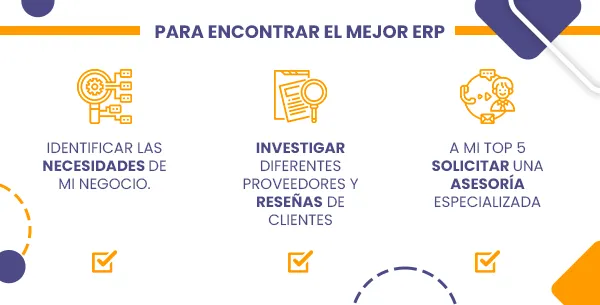
Identify your business needs.
ERPs are designed to meet the needs of your business, not the other way around. Make a list of what you want your ERP to achieve and look for software that can do it.
Set aside time for research.
Reserve a few hours to review ERP systems and read reviews. Nothing can replace your own opinion about a company's features and benefits.
Request specialized advice.
Trying an ERP gives you an idea of how it could work for your own business. Don't hesitate to ask for all the necessary information from the consulting firm you decide to hire about other ERP features and how it can be integrated with specific software.
Advantages obtained by choosing your SAP ERP providers correctly
- Increased productivity: Optimize and automate key business processes to achieve more with fewer resources.
- Deep insights: Centralize information to make strategic decisions more quickly.
- Faster reporting: Accelerate the generation of financial and management reports to improve real-time performance.
- Reduced risk: Improve visibility and control over company activities to ensure regulatory compliance and prevent risks.
- Simplified IT infrastructure: Integrated ERP applications share a database, simplifying IT operations.
- Greater agility: Real-time access to data to identify new opportunities and react quickly to changes.
Most popular ERP modules from SAP providers
Integrated enterprise software systems (ERP) include several modules. Each ERP module supports specific processes (such as finance, purchasing, or production) and provides employees in the department in question with the transactions and insights they need to perform their tasks. Each module connects to the ERP system, which provides a single version of the truth and accurate data shared between different departments.
The most used ERP modules are:
- Finance: Focuses on centralized financial administration and automation of key tasks.
- Human Resources: Time management, invoices, payroll, and personnel analysis.
- Procurement and Purchasing: Centralization and automation of procurement processes.
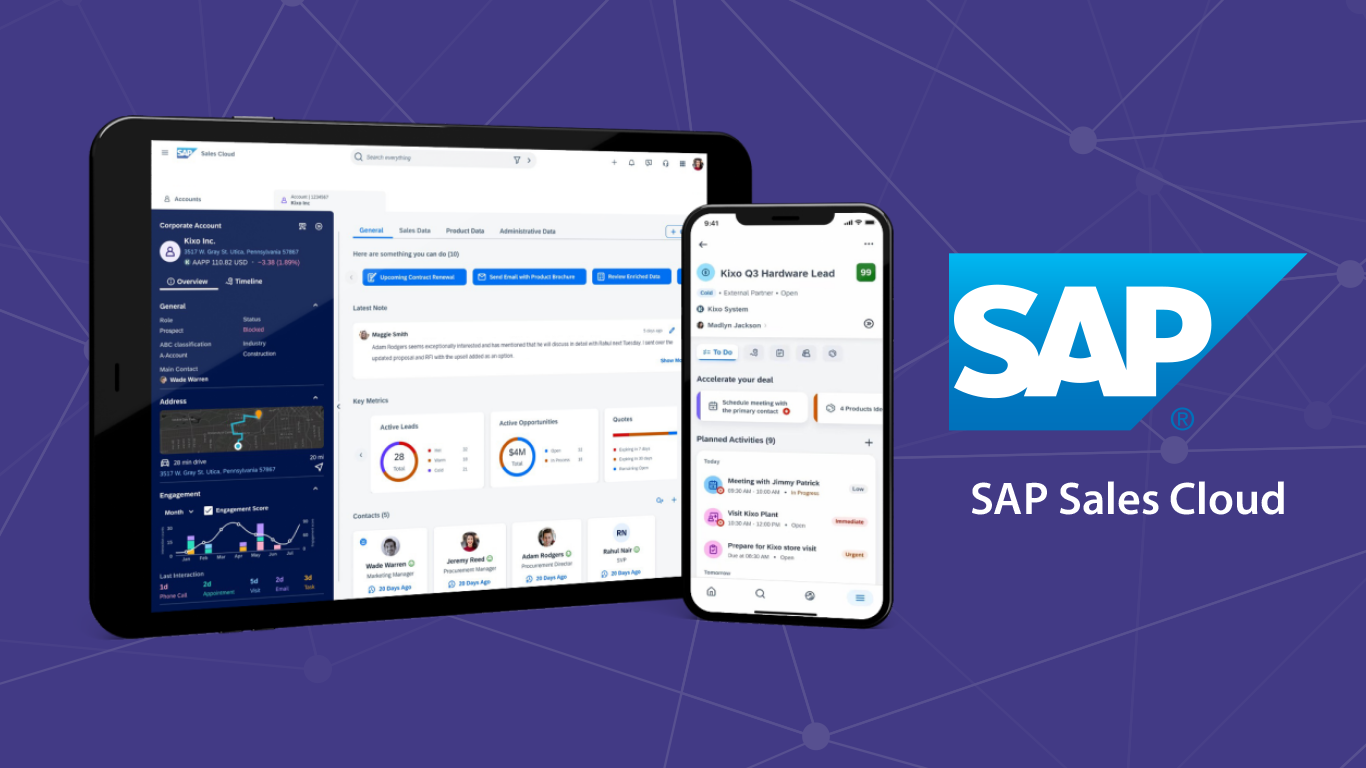
- Sales: Customer tracking, promotions, and order management.
- Production: Production planning and execution, including quality control.
- Logistics and Supply Chain: Real-time monitoring and management of inventory and logistics operations.
- Services: Field service management, repairs, and analysis to quickly resolve problems.
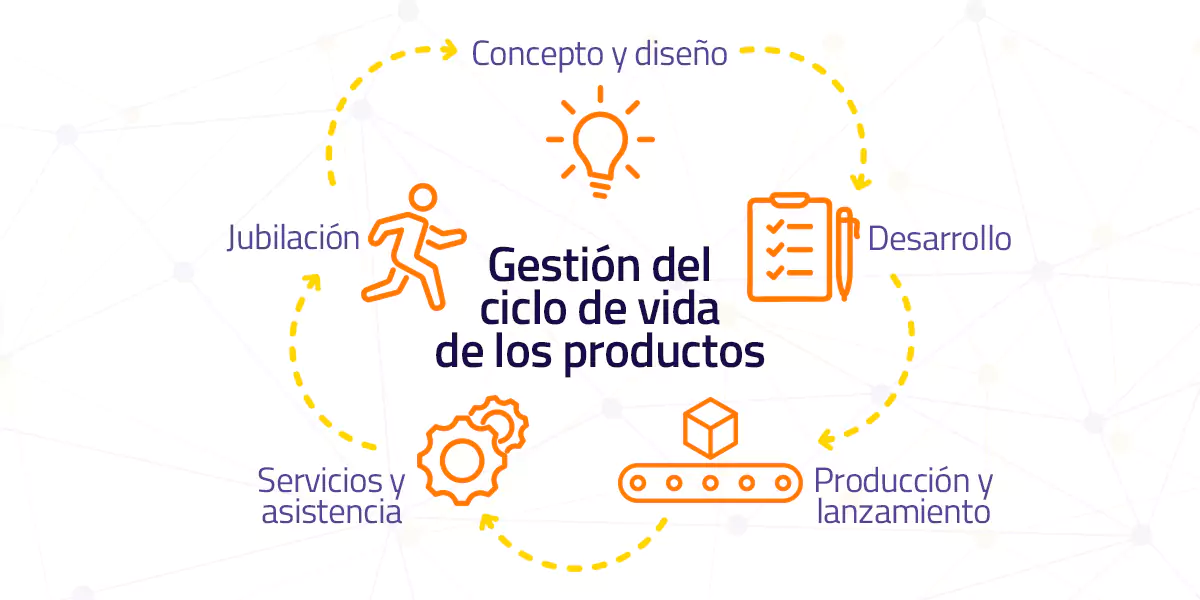
- R&D and Engineering: Tools for product design and modeling, product lifecycle management, and product compliance.
- Enterprise Asset Management (EAM): Maintenance of machinery and equipment, scheduling and capital management.
Now that you know about ERP providers and how this management software works depending on your company's needs, you can have a clearer idea of what you require and who to contact if you have any questions.
Ready to talk to SAP specialists?
Tell us what your company needs and we'll help you find the best path.
Request information





 English
  Español de México
  Español